
The Snake is the sixth of the 12-year cycle of animals which appear in the Chinese zodiac.

The Year of the Snake (蛇) is associated with the Earthly Branch (地支) symbol Sì (巳). The Lunar New Year Day of the Year of Yǐ sì (乙巳年) falls on January 29, 2025 (Wednesday) and ends on February 16, 2026 (Monday), Chinese New Year’s Eve.
The Chinese lunar calendar is made up of ten Heavenly Stems (天干) and 12 Earthly Branches (地支) as follows:
天干 (Ten Heavenly Stems) :
甲乙丙丁戊己庚辛壬癸
地支 (Twelve Earthly Branches)
子丑寅卯辰巳午未申酉戌亥
十二生肖 (12-year cycle in the Chinese zodiac):
鼠牛虎兔龍蛇馬羊猴雞狗豬
rat ox tiger rabbit dragon snake horse goat monkey rooster dog pig
Years of the Snake include 2025, 2013, 2001, 1989, 1977, 1965, 1953 …
Chinese Zodiac years are based on the Chinese lunar calendar. Interested people born in January or February can check the date of the Chinese New Year to confirm their birth sign, for example at the following site:
https://www.chinahighlights.com/travelguide/chinese-zodiac/snake.htm
In Chinese culture, the Snake is the most mystical animal among the 12 zodiac animals. Snakes tend to act according to their own judgments while remaining private and reticent. They are determined to accomplish their goals and hate to fail.
The Snakes symbolizes wisdom, power and intelligence.
Snakes are an important motif in Chinese mythology.
There are various myths, legends, and folk tales about snakes.
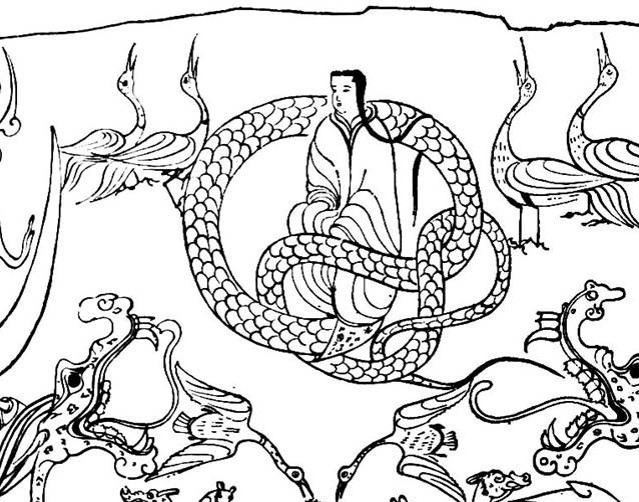
According to one version of the legends, Huaxu (華胥) gave birth to a twin brother and sister, Fuxi (伏羲) and Nüwa (女媧). Fuxi and Nüwa are said to be creatures that have faces of human and bodies of snakes. It was believed that they worshipped snakes.
Nüwa created humanity due to her loneliness, which grew more intense over time. She moulded yellow earth into the shape of people.
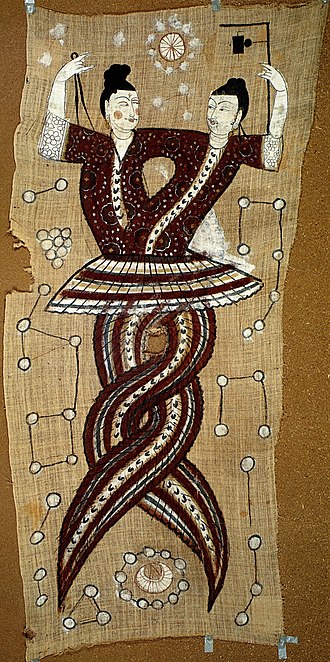
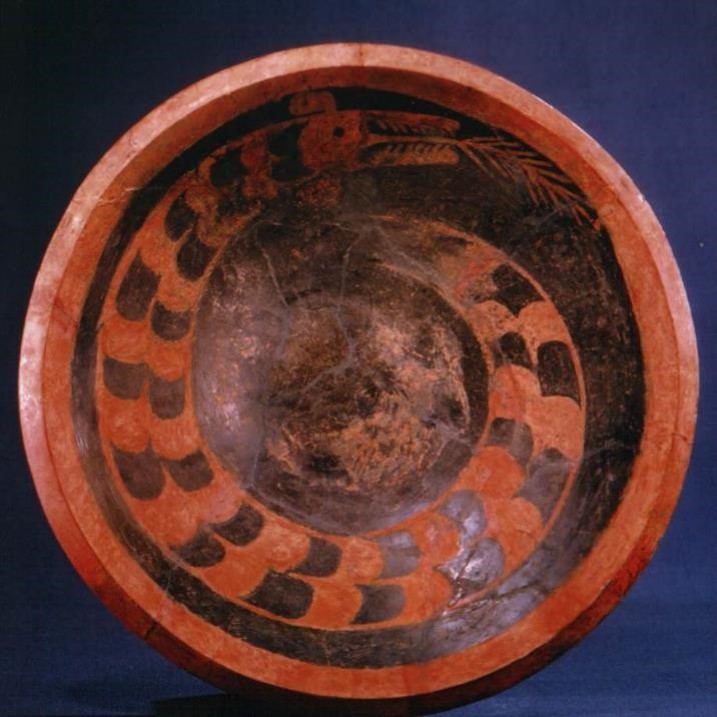
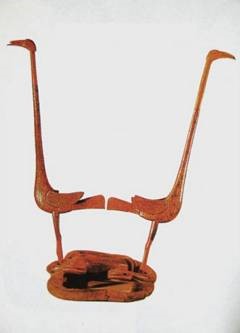
Snake Artifacts throughout centuries



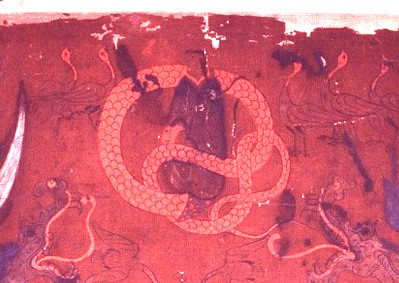
Mawangdui silk banner (馬王堆帛畫)

This Funeral Banner of Lady Dai is the most famous of marvels recovered from the 2,200-year-old Han Dynasty site of Mawangdui near Changsha, China.
Xuán Wǔ, 玄武 (Dark Warrior), a tortoise-and-snake creature
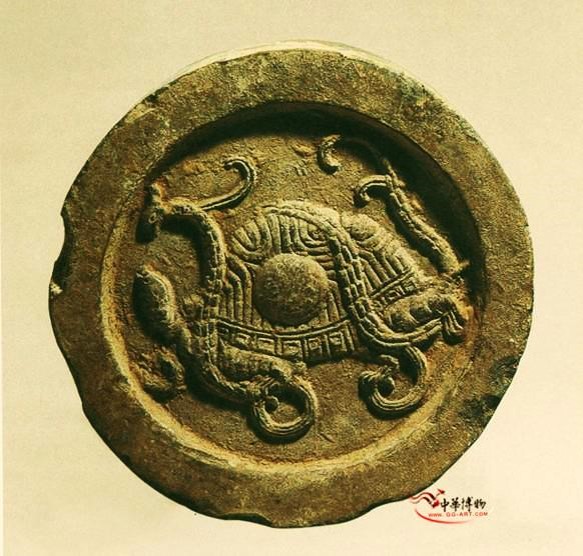
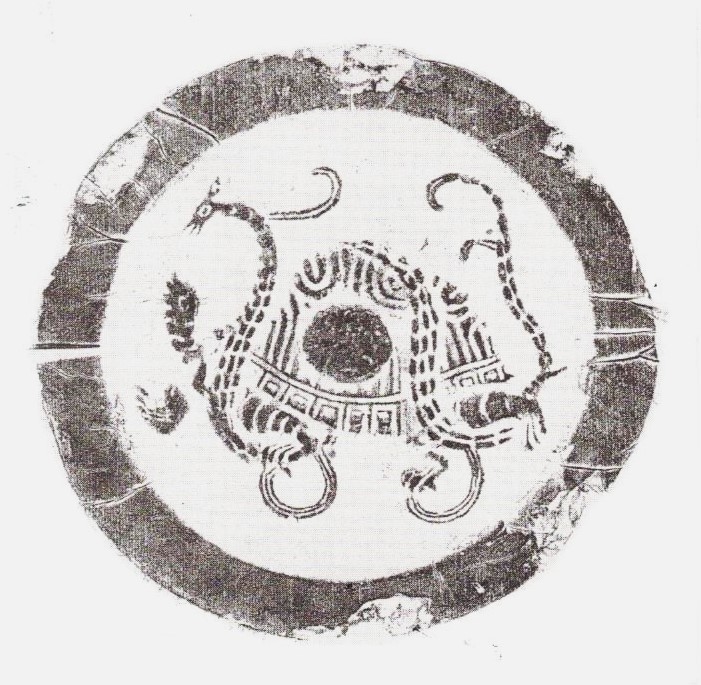
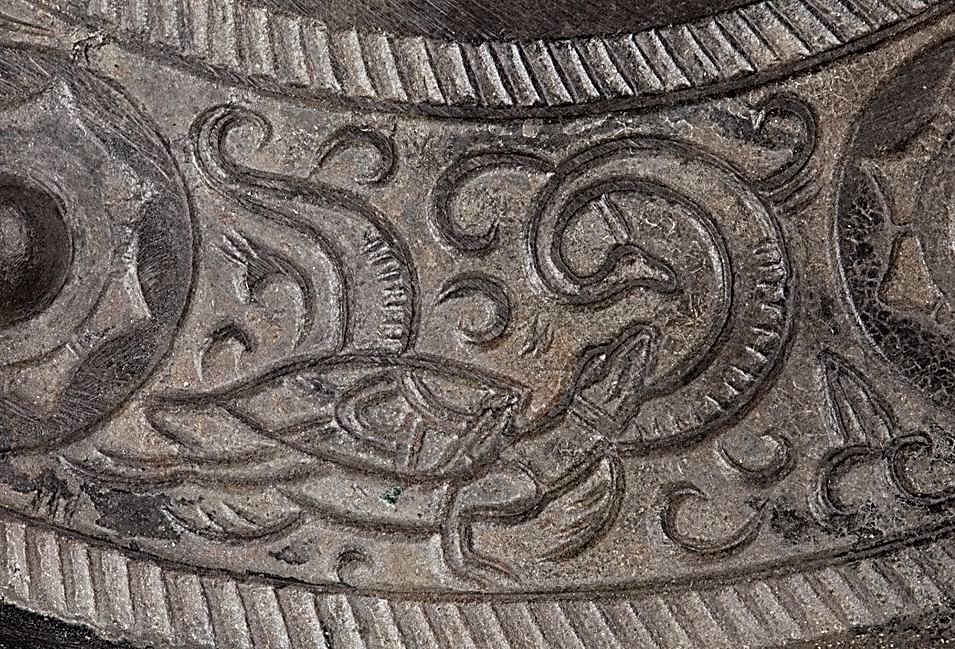
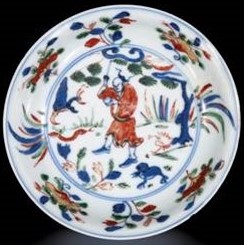
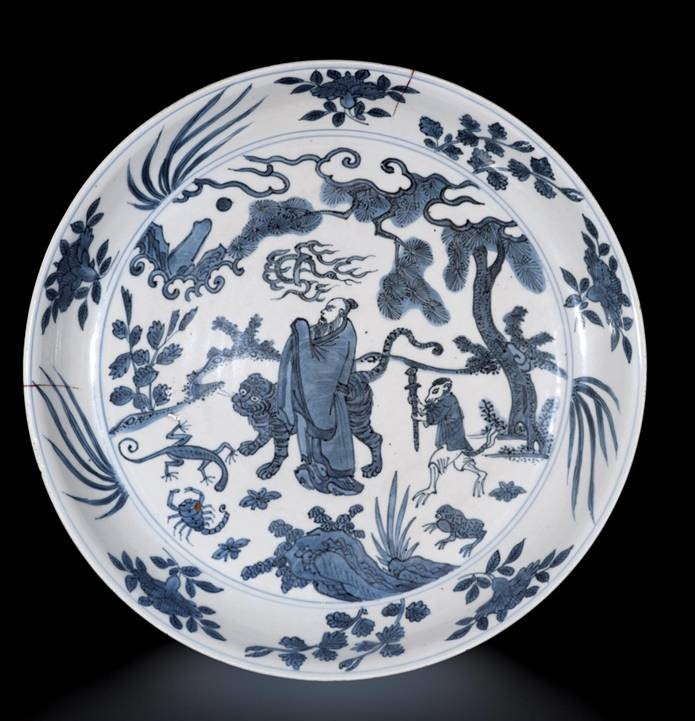
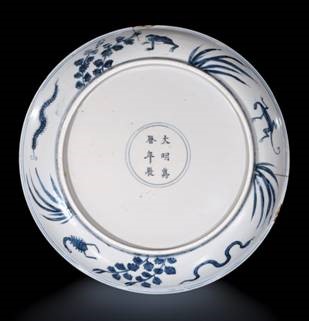
Ceramic artifacts


Twelve Old Summer Palace bronze heads
The Twelve Old Summer Palace bronze heads are a collection of bronze fountain heads in the shape of the Chinese zodiac animals that was part of a water clock fountain in front of the Haiyantang (海晏堂) building of the Old Summer Palace (圓明園) in Beijing. The statues would spout out water from their mouths to tell the time.

The bronze-cast heads of the stone statues were among the treasures looted during the destruction of the Old Summer Palace by British and French expeditionary forces (英法聯軍之役) in 1860 during the Second Opium War (1856-1860).

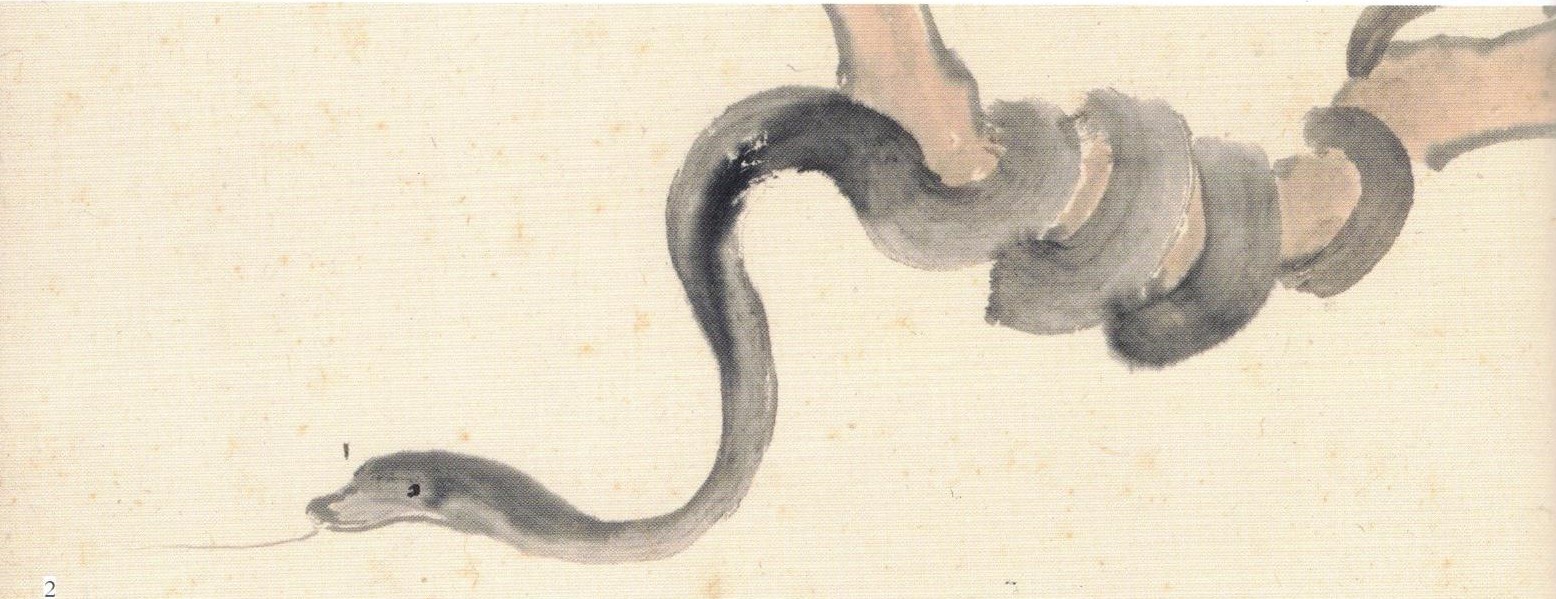
Chinese paintings on snakes



Snake skin and Chinese Music
Python skin is used to make erhu 二胡 (Chinese ‘violin’) and sanxian 三弦 (Chinese ‘banjo’). The python skin resonates and gives the instrument an unique and melancholy timbre. This makes Chinese music very special.

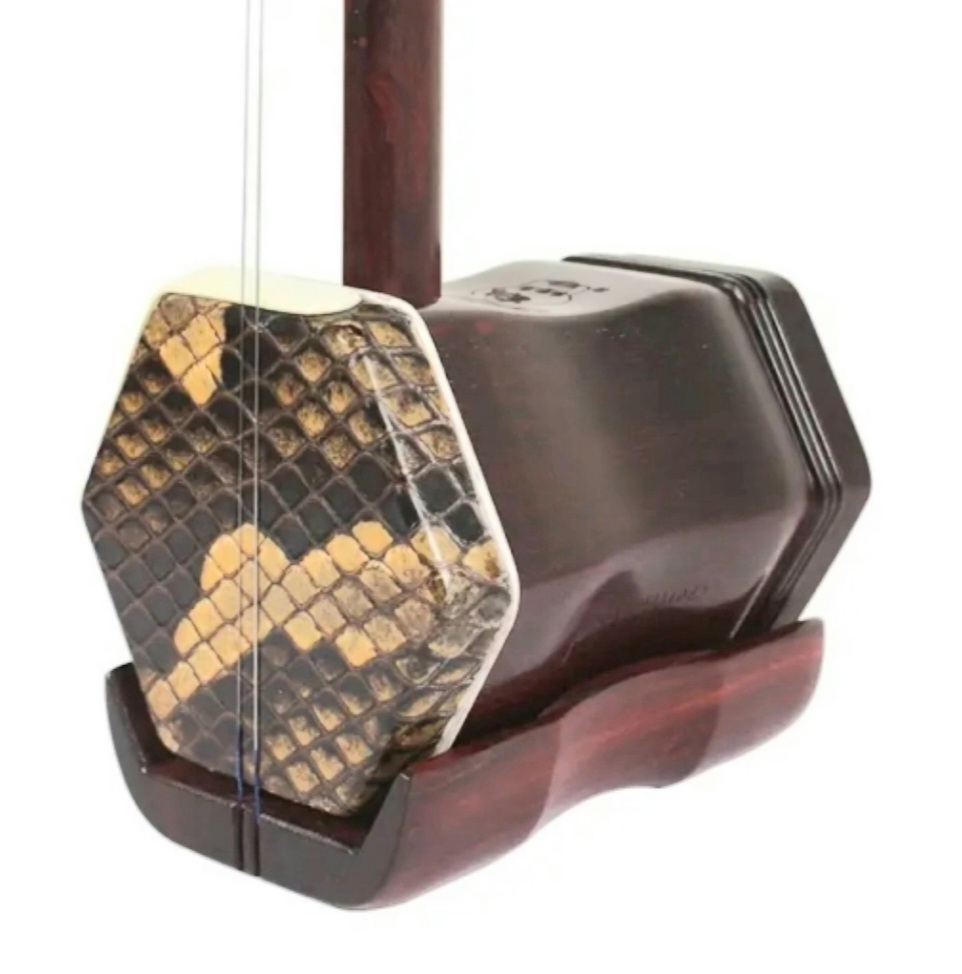
Watch “Alto Erhu. The Moon’s Reflection on the Second Spring (Alto Erhu) – Song Fei”二泉映月(低音二胡)- 宋飞 on YouTube
https://youtu.be/CRnQgQyNKgs?si=77XmiomLBWfH65kS

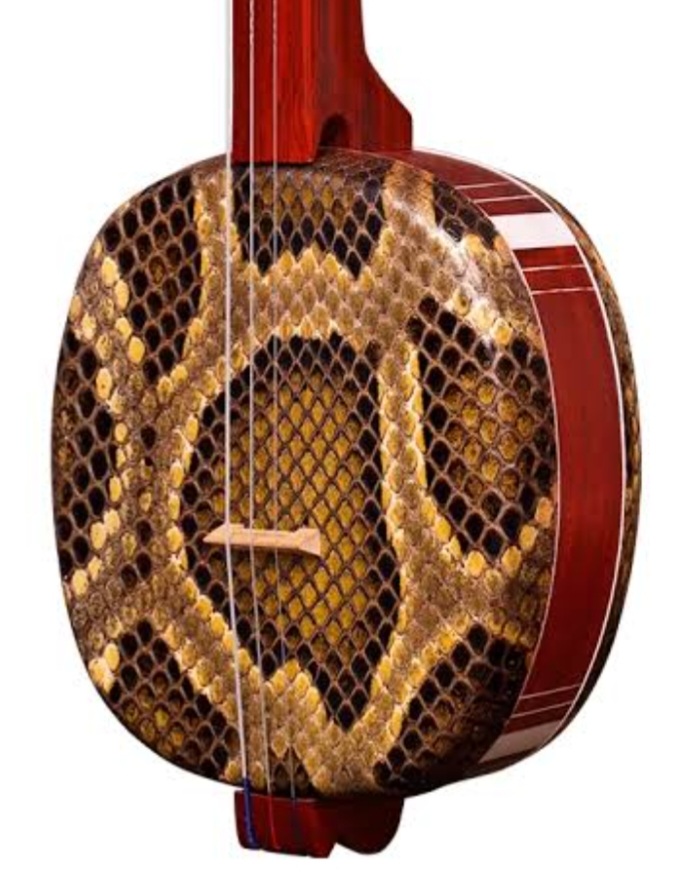
Watch “Sanxian – Waves Washing the Sand 大浪淘沙” on YouTube
https://youtu.be/pyJe0HdxCyk?si=V8yL-6UzpyhNUHp4
Acknowledgements
I would like to express my sincere gratitude to Professor P Lam for his consistent advice and support throughout the years.
Bibliography
中国剪纸 Paper Cut in China 十二生肖 The twelve symbol animals 漢坤東方出品
Bjaaland Welch, Patricia (2008) Chinese Art- A guide to Motifs and Visual Imagery Tuttle Publishing ISBN: 978-08048-3864-1
https://en.wikipedia.org/wiki/Chinese_zodiac
https://en.wikipedia.org/wiki/Old_Summer_Palace_bronze_heads
ttps://en.wikipedia.org/wiki/Snakes_in_Chinese_mythology
陈相峰(2012), 画室必备 • 中国画技法图典 • 鱗介篇, 湖北美术出版社, ISBN 978-7-5394-4888-6
 Patrick Siu Chinese Calligraphy & Landscape Painting 蕭燿漢談書畫