Source: Mount your finished artwork onto a piece of rice paper (宣紙襯底)
Mount your finished artwork onto a piece of rice paper (宣紙襯底)

Chinese calligraphy and landscape painting

Zhangjiajie (張家界), a city in the northwest of China’s Hunan (湖南) province, is home to the famous Wulingyuan (武陵源) Scenic Area. This expansive protected zone encompasses thousands of jagged quartzite sandstone columns, many of which rise over 200m, as well as caves filled with stalactites and stalagmites. Wulingyuan also encompasses forests, rivers, waterfalls and two large natural land bridges, and shelters endangered plant and animal species.
Mr Ip Chit Hoo (葉哲豪老師) painted 12 scenes of Zhangjiajie in 1989 (己巳), with three paintings for each of the four seasons. Each season has its own particular colours. The dimensions of each painting is 44.5 x 30 cm, ink and watercolour on paper.

To view all the 12 paintings in the album, please visit the webpage :
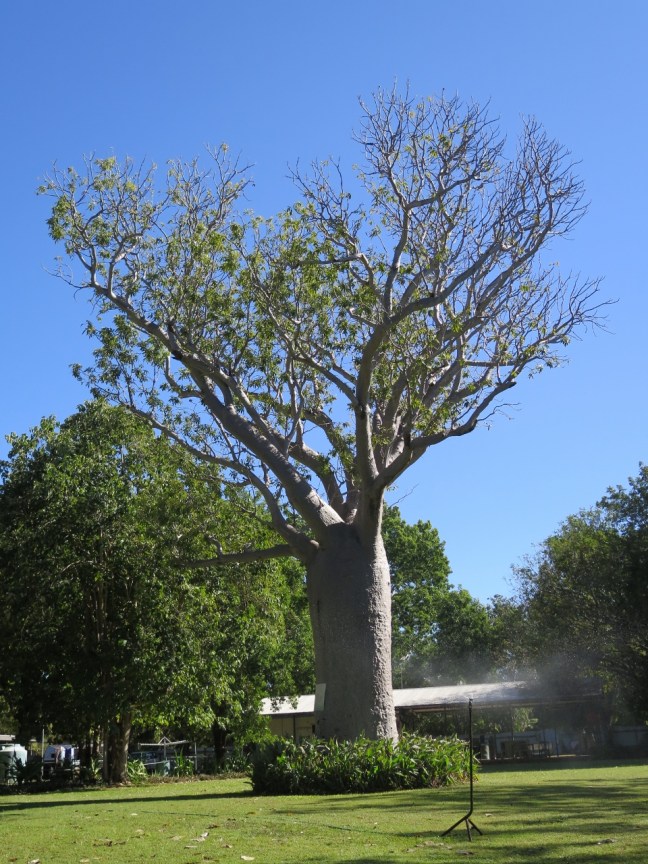
The boab trees are icons of the Kimberley, Western Australia. They have bizarre, twisted leafless branches during the dry season and wreathed with brilliant green during the wet season. Boab trees are unique to the northern part of Western Australia and eastern part of Northern Territory. They attract attention because of their striking and unusual shapes.

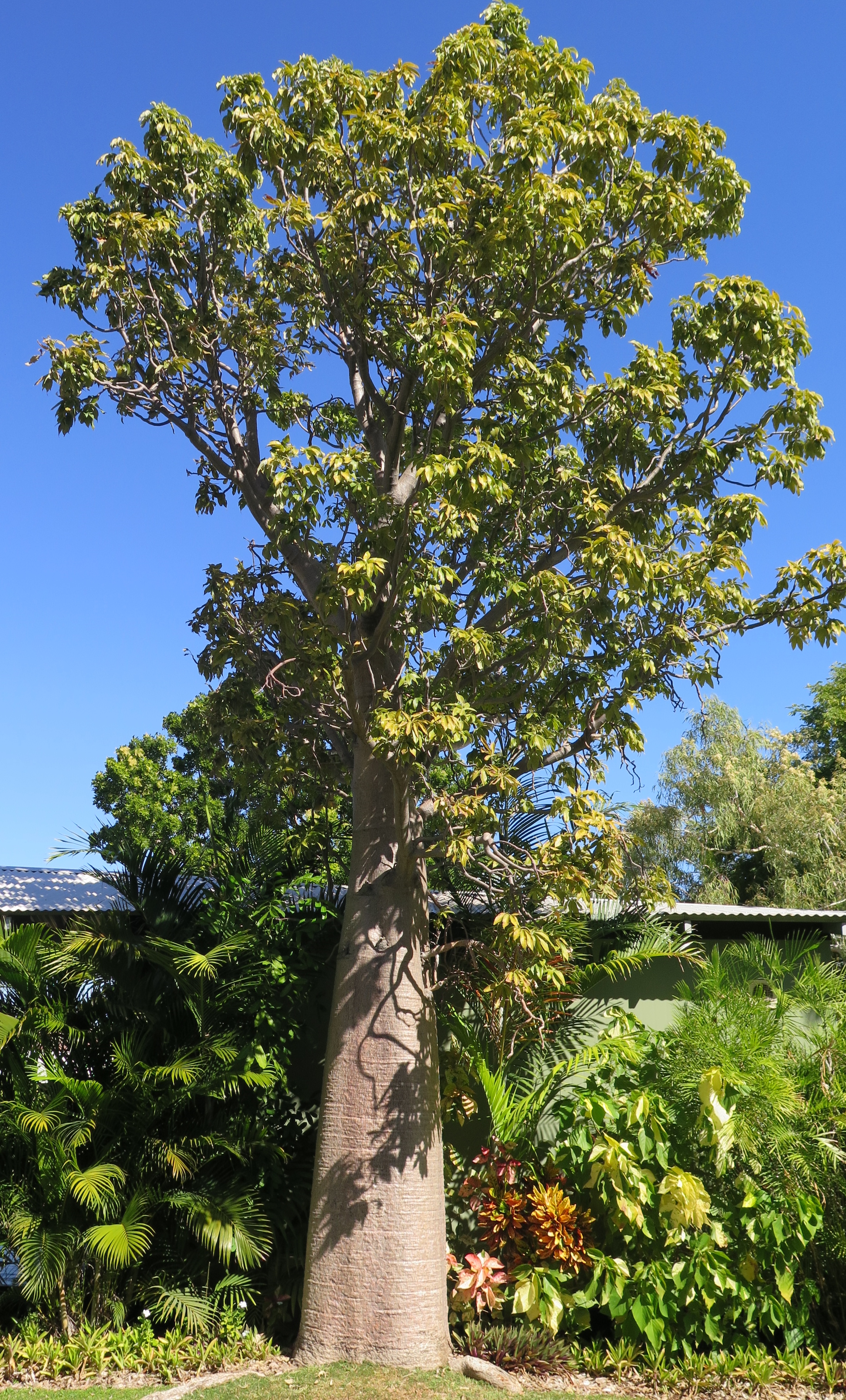
Please visit my web page on boab trees :
During the first week of July 2015, my wife and I travelled to Kimberley, Western Australia for holiday. Kimberley is an outback region of Australia free of night pollution (except lights at the resort). We were amazed at the dark night sky. Even with unaided eyes, we can see many stars and the Milky Way. I took some photos with my small digital camera with a exposure of 1 second. I did not have a tripod, this is the reason why the stars appear to be a bit blurry.


The stars of the Southern Cross are of different colours. Three are blueish-white, one is orange and the other red.
Acrus (Alpha Crucis) is a multiple star. It is made up of 3 stars, 2 of which are so close together that a small telescope cannot resolve them into 2 stars. Acrux is 370 light-years away from us.
Beta Crucis is 490 light-years away from us.
Gamma Crucis is 220 light-years away from us.
Delta Crucis is 570 light-years away from us.
The Jewel Box (NGC4755) is an open star cluster that lies a distance of 7800 light years. It is known as a ‘superb piece of fancy jewellery’.
The Coal Sack is a dark nebula. It is a cloud of dust particles which stops light from the stars behind from reaching us. It is 500 light-years away from us.
The Alpha Centauri is a multiple star system and at a distance of 4.3 light-years. It is the closest star system to our solar system. It is made up of 3 stars but we can just see 2 stars using small telescopes. The 2 stars appear like dazzling white headlights.
Beta Centauri is the inner of the two ‘Pointers’ It is a trinary star making up of 3 stars namely Beta Centauri A1, A2 and B. They are about 350 light-years away. The indigenous people of northwestern Australia named it Bermbermgle. According to their legend, together with Alpha Centauri, the two brothers were noted for their courage and destructiveness. They speared and killed Tchingal ‘The Emu’ (Coal Sack Nebula).
The Omega Centauri is not a single star but a globular cluster. It consists of hundreds of thousands of stars packed into a relatively small region.
Stories from the Noongar people of Western Australia depict the stars of the Southern Cross as five naughty youngsters who scattered when a spear was thrown at them. Another Noongar story has the stars of the Southern Cross and the pointers as seven sacred men/spirits who came to Earth and made the laws, and started the 14 different language groups to re-establish the good marriage state [Reference: Beginner’s Guide to the Night Sky (ABC Science)].

As the Earth spins along its axis from west to east (ie anticlockwise), the night sky with the constellations of stars appear to rotate around the Southern Celestial Pole in a clockwise direction. The Southern Cross lies down towards the horizon.
The other constellation which could easily be observed was the the Scorpius. During July in the Southern Hemisphere, this constellation lies above my head.
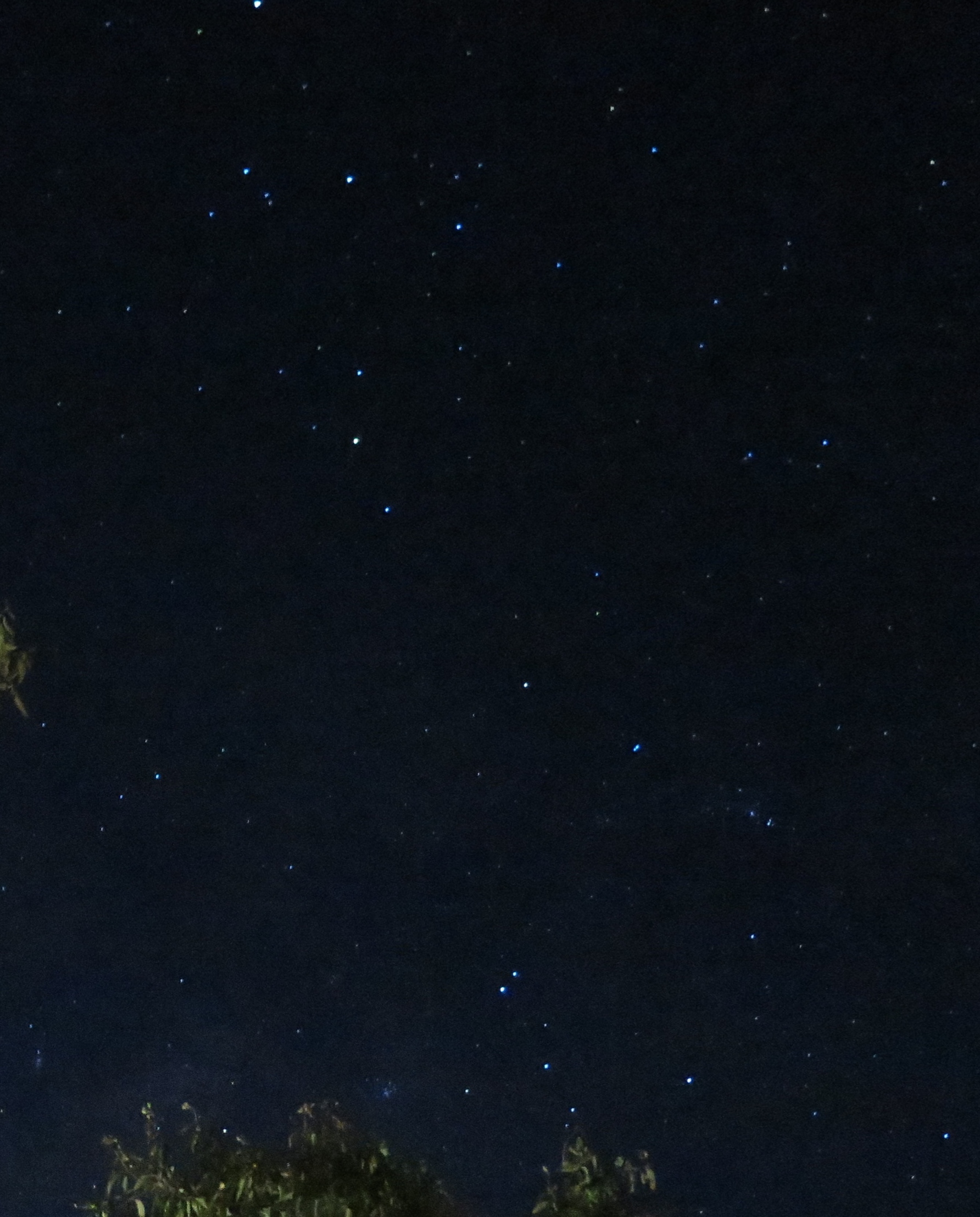
The Scorpius is easy to identify as the stars look like a scorpion with a bright red star Antares.

Antares also known as Alpha Scorpii is often referred to as “the heart of the scorpion”. Distinctly reddish when viewed with the unaided eye, Antares is a red supergiant. This star has an age of around 11 million years at a distance of approximately 470 light years. Antares is already near to the end of its lifespan and is expected to explode as a supernova in the next million years.
Acknowledgements :
I would like to thank Lizi (Tour Director of AAT Kings) for her wonderful organisation and dedication to her job. Her passion about the beauty of Kimberley and the culture of the Aboriginal people is inspiring. I also wish to thank Warren the driver who took good care of all of us during the tour. Both Lizi and Warren made our trip of the Untamed Kimberley safe and highly enjoyable.
Further reading / viewing :
http://www.abc.net.au/science/articles/2009/07/27/3169018.htm (How to locate the South Celestial Pole)
http://www.abc.net.au/science/starhunt/tour/virtual/ (Virtual tour of the night sky)

From Sunday 26 July to Sunday 20 September 2015 (9 lessons)
Tutor : Patrick Siu 蕭燿漢
Venue : Workshop Arts Centre Art School
Address: 33 Laurel St, Willoughby NSW 2068 Phone: (02) 9958 6540
http://www.workshoparts.org.au/course/chinese-landscape-painting/
Taught in English to all skill levels (beginners welcome). The tutor will demonstrate the use of soluble Chinese ink and watercolour on rice paper and various painting techniques. The course will include appreciation of masterpieces of Chinese landscape paintings in museums. Backing of rice paper and mounting the work into a frame will be demonstrated. There will be painting of the local natural environment. Some basic materials provided.
Adults $235 / School Student Concession $200
Please inquire and pay directly to the Art School

 Patrick Siu Chinese Calligraphy & Landscape Painting 蕭燿漢談書畫