
The Dragon is the fifth of the 12-year cycle of animals which appear in the Chinese zodiac. The Year of the Dragon (龍) is associated with the Earthly Branch (地支) symbol Chen (辰). The Lunar New Year Day of the Year of Jia Chen (甲辰年) falls on February 10, 2024 and ends on January 28, 2025 (Chinese New Year’s Eve).
The Chinese lunar calendar is made up of ten Heavenly Stems (天干) and 12 Earthly Branches (地支) as follows:
天干 (Ten Heavenly Stems) :
甲乙丙丁戊己庚辛壬癸ranches) :
地支 (Twelve Earthly Branches)
子丑寅卯辰巳午未申酉戌亥
十二生肖 (12-year cycle in the Chinese zodiac):
鼠牛虎兔龍蛇馬羊猴雞狗豬
rat ox tiger rabbit dragon snake horse goat monkey rooster dog pig
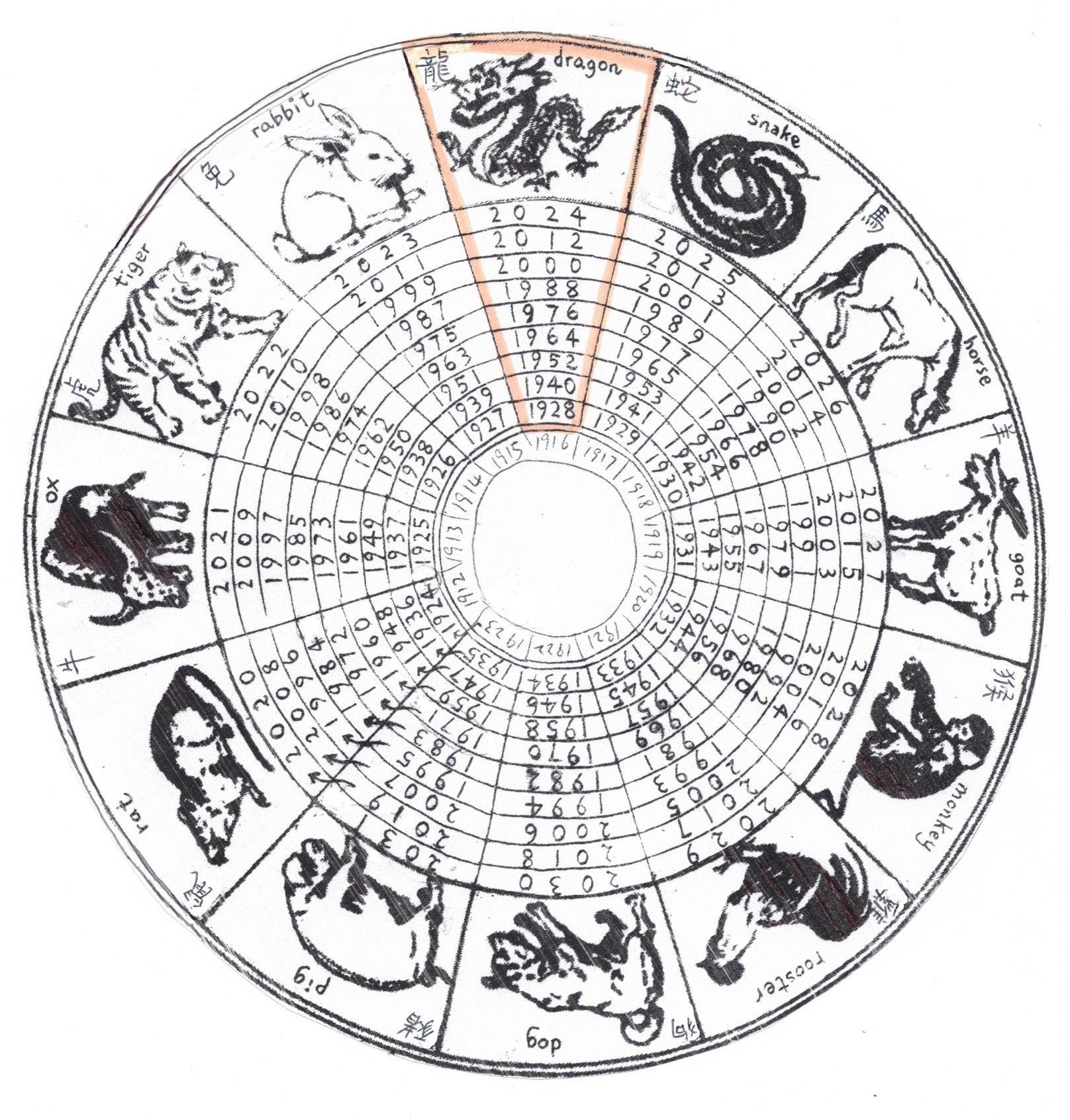
Years of the Dragon include 2024, 2012, 2000, 1988, 1976, 1964, 1952 …
Chinese Zodiac years are based on the Chinese lunar calendar. Interested people born in January or February can check the date of the Chinese New Year to confirm their birth sign, for example at the following site:
https://www.chinahighlights.com/travelguide/chinese-zodiac/dragon.htm
The Chinese dragon (龍) is a legendary creature in Chinese folklore and mythology. It is a complex creature containing a combination of features of various animals such as the head of a camel, the horns of a deer, the eyes of a rabbit, the ears of a cow, the neck and the long body of a snake, the scales of a carp, the claws of a hawk, the palms of a tiger. They traditionally symbolize potent and auspicious powers. They are believed to have the ability to bring rain and control bodies of water.

The Dragon is a supernatural being with no parallel for talent and excellence.
The Dragon symbolizes power, nobleness, honour and success in traditional Chinese culture.
Dragon artefacts
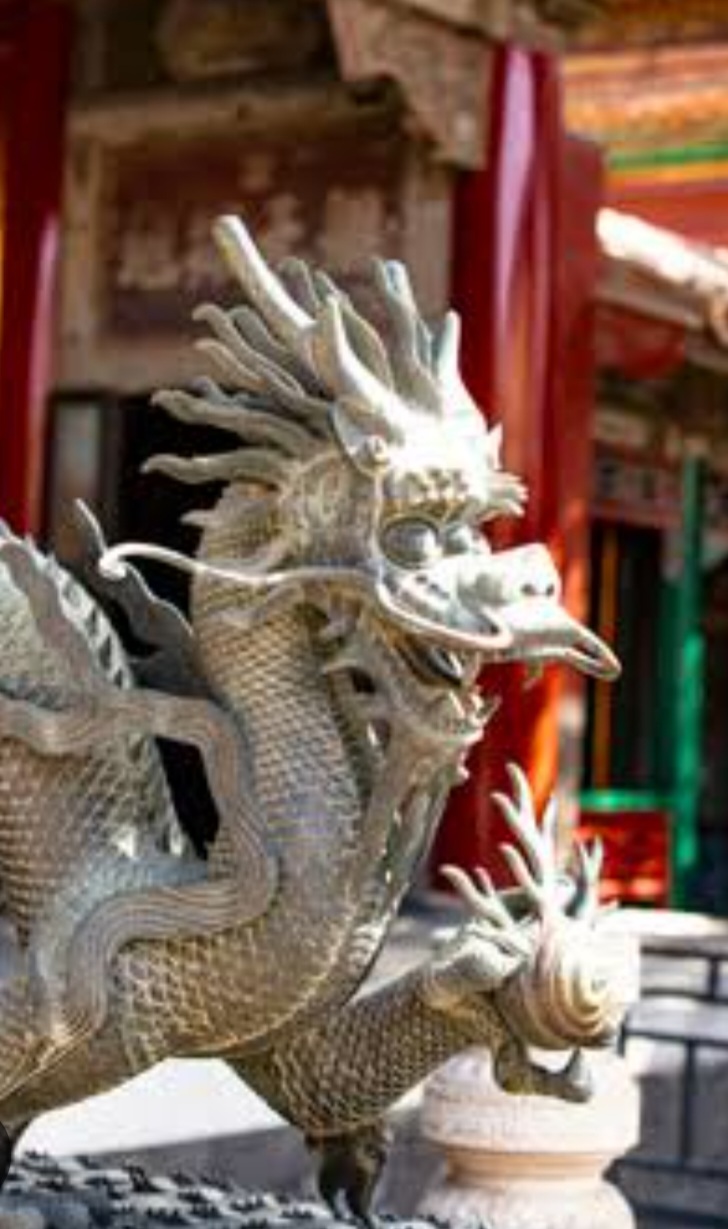
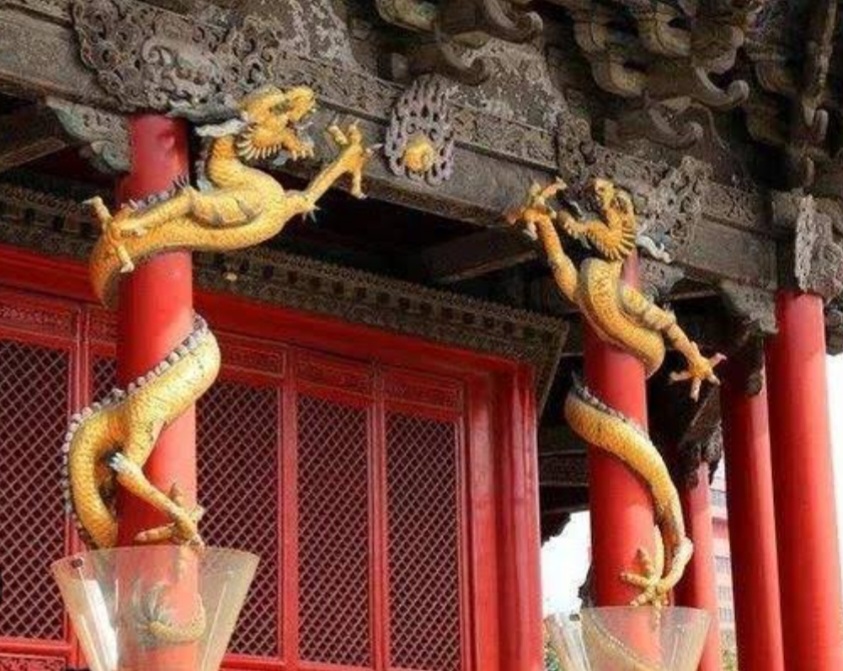
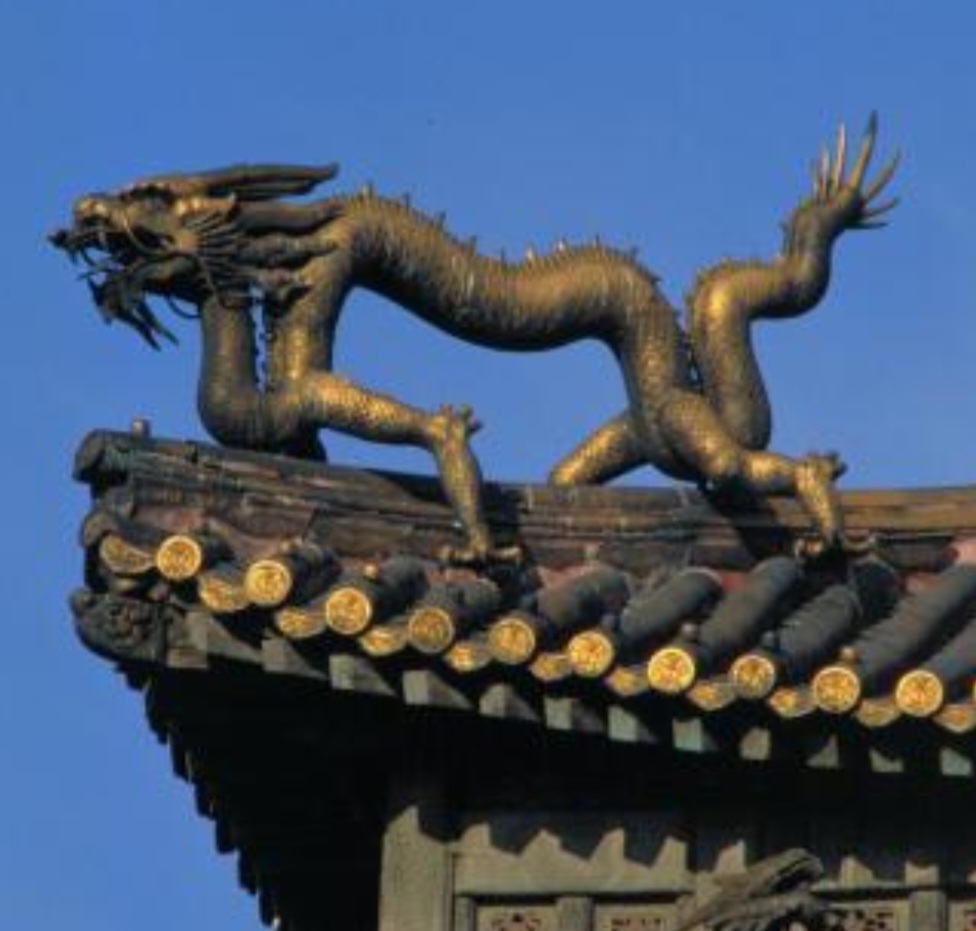
Historically, the Chinese dragon was associated with the Emperor of China and used as a symbol to represent imperial power. Statues and images of dragons can be found nearly everywhere in the Beijing Forbidden City (紫禁城).
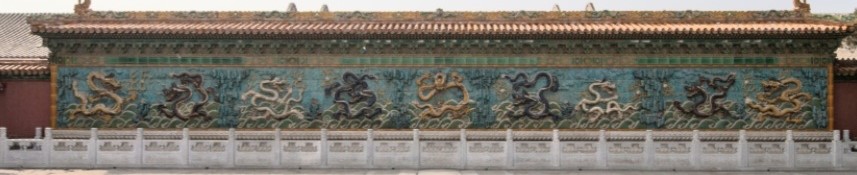
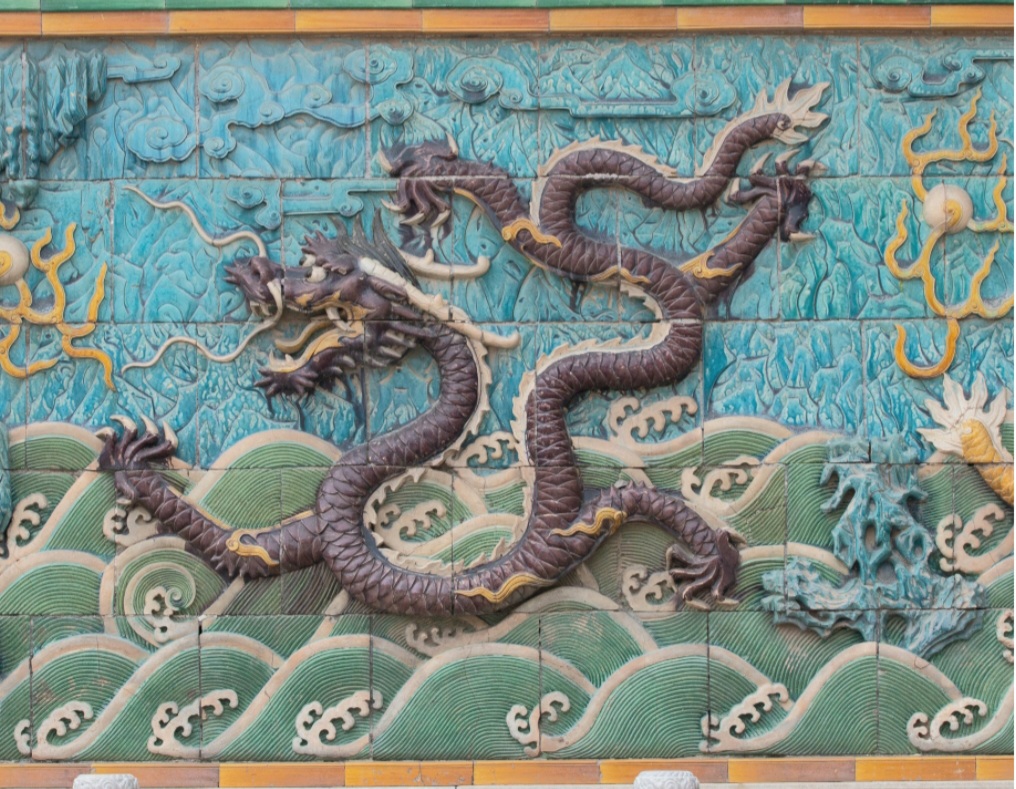
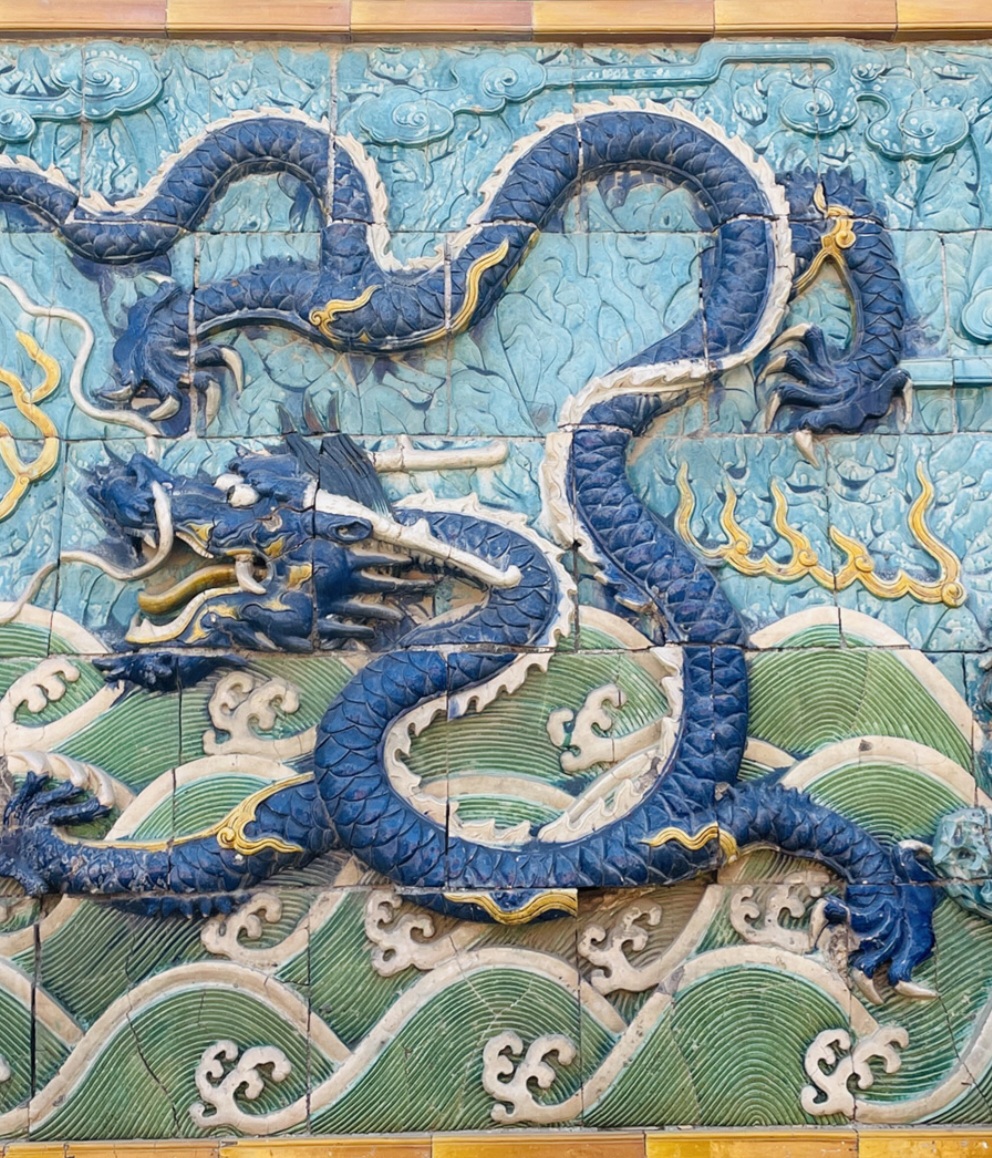
A Nine-Dragon Wall (九龍壁) or Nine-Dragon Screen is a type of screen wall with reliefs of nine different Chinese dragons. Such walls are typically found in imperial Chinese palaces and gardens.



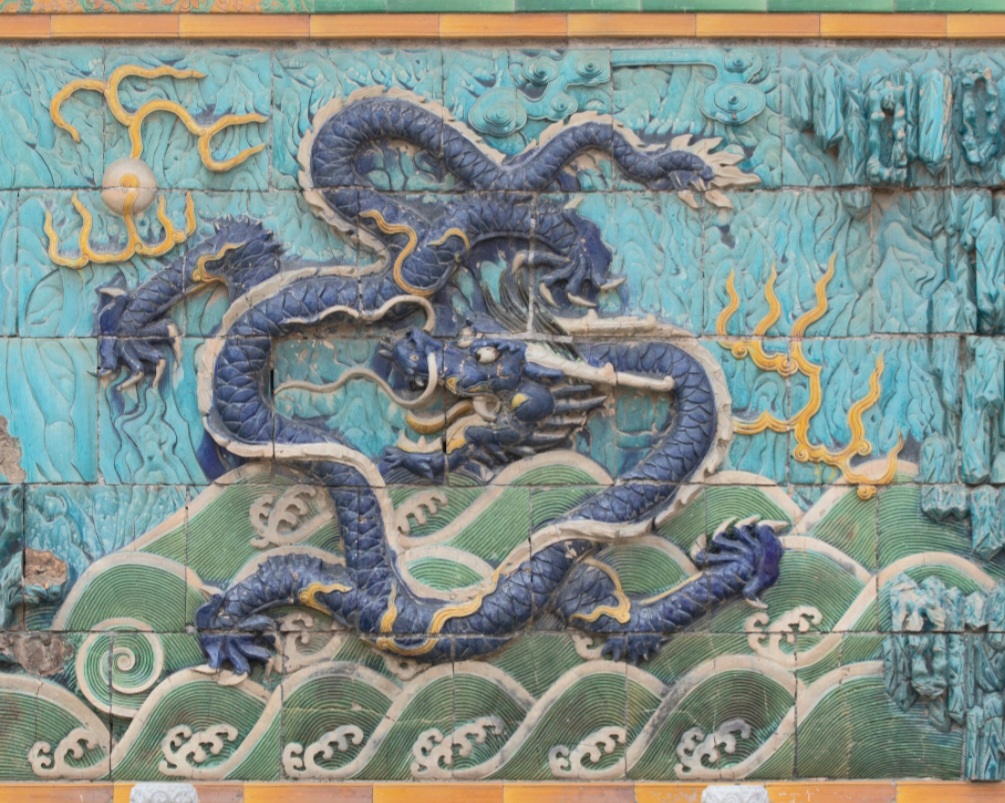

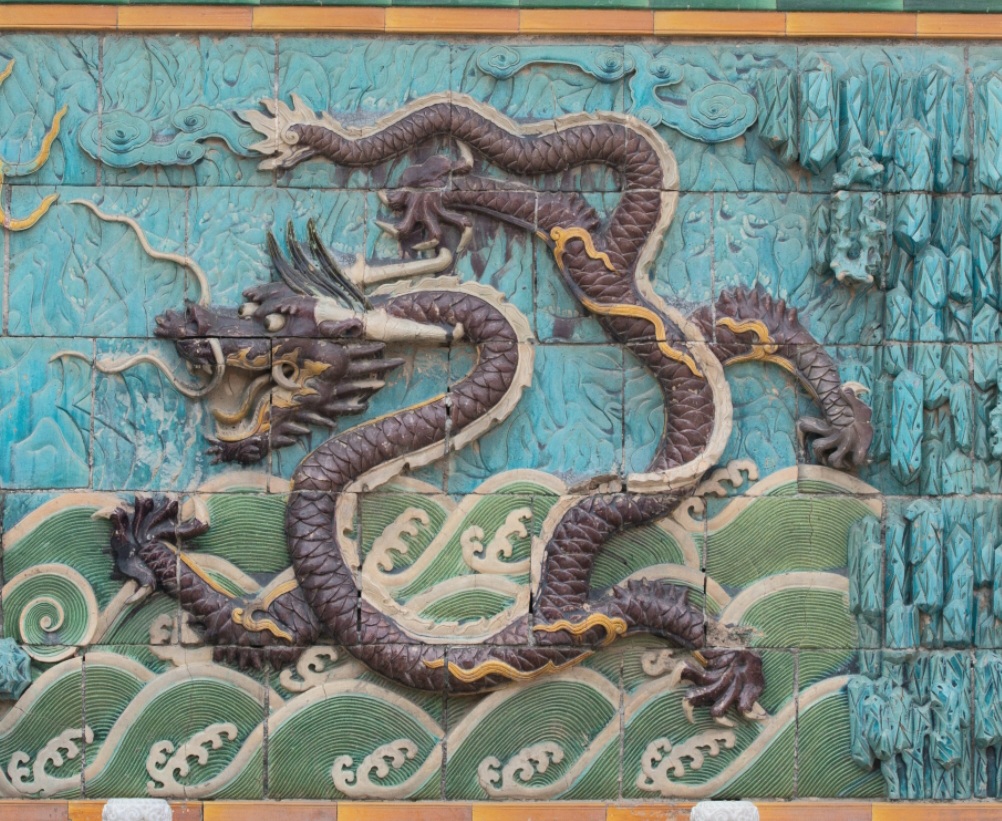
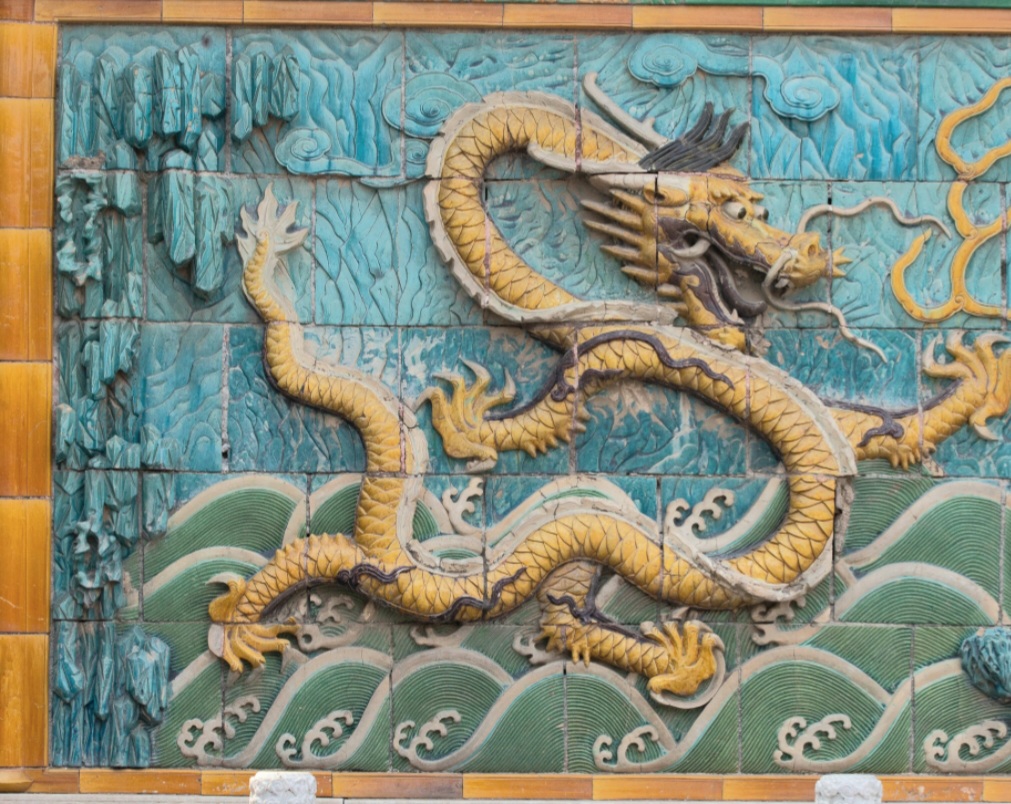

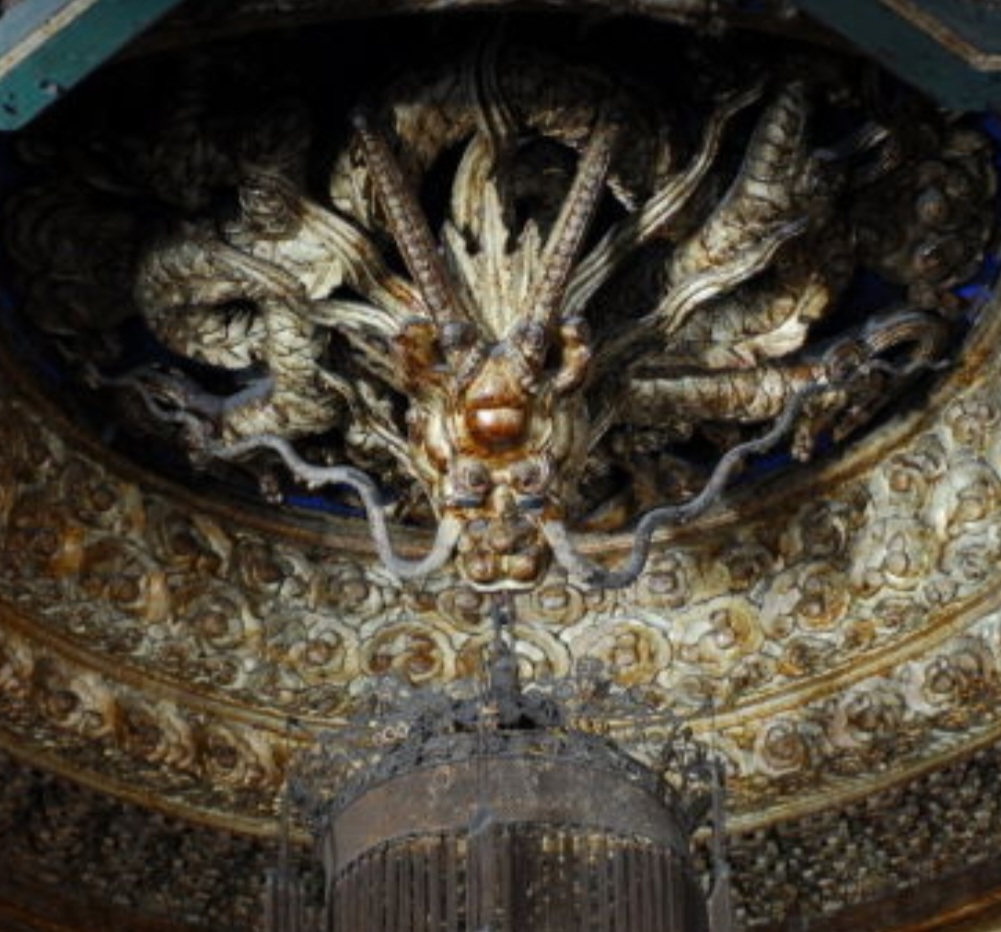
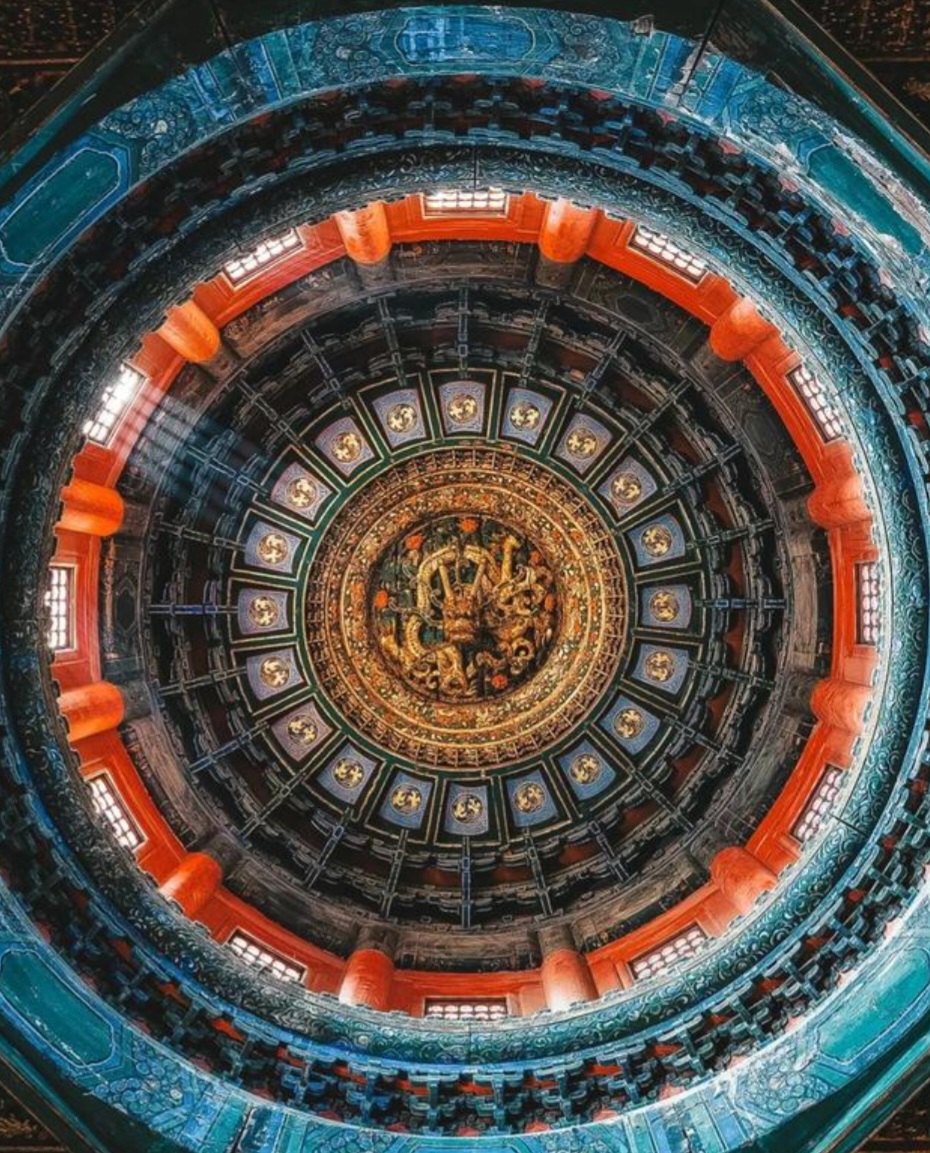
The Dragon Throne (龍椅) was the throne of the Chinese Emperor, as the dragon was the emblem of divine imperial power.

Longpao (dragon robe, 龍袍)
Emperors of Tang dynasty (618-907) wore robes with dragon motif as an imperial symbol. The robes were known as longpao (dragon robe, 龍袍).
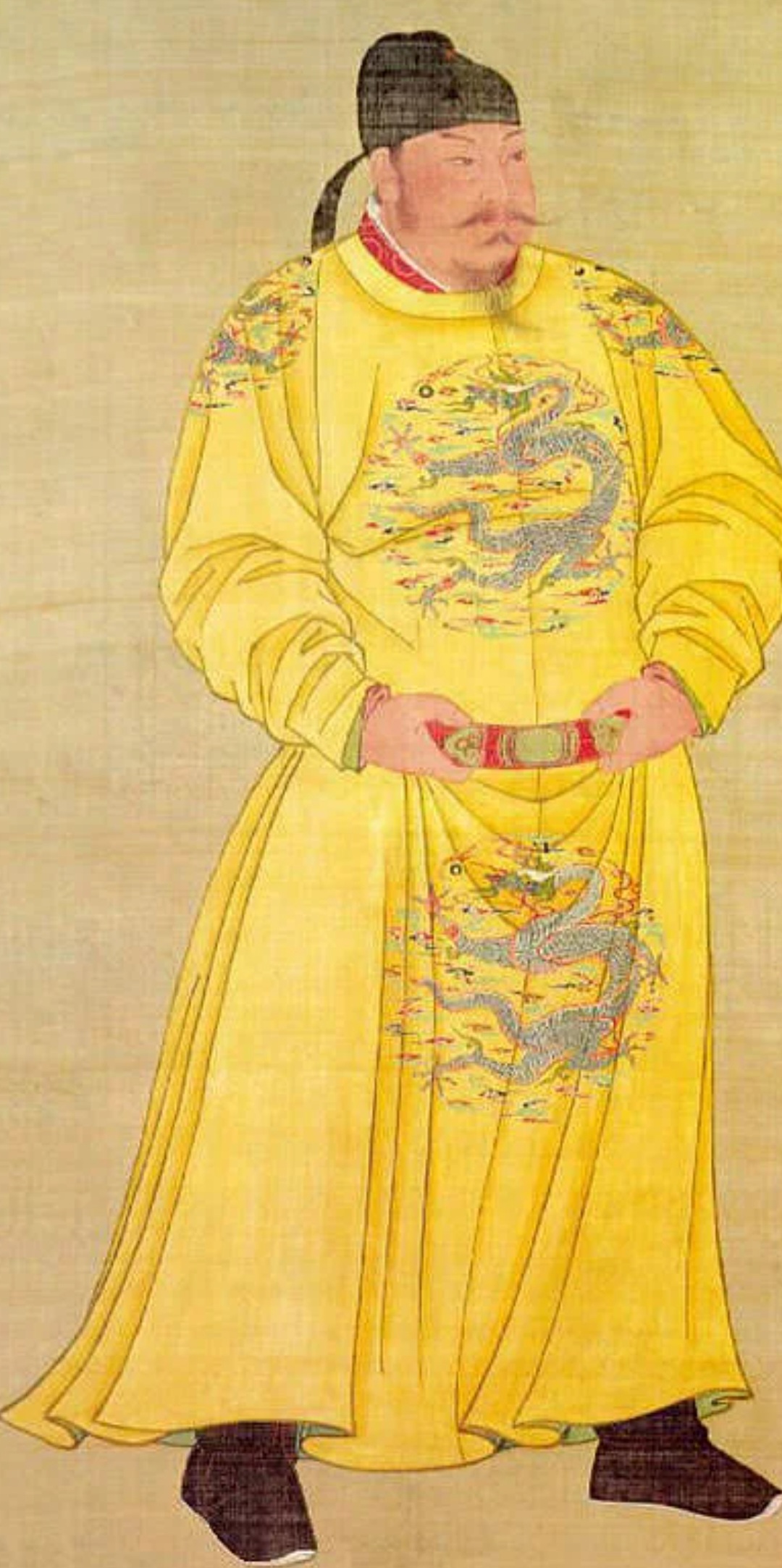

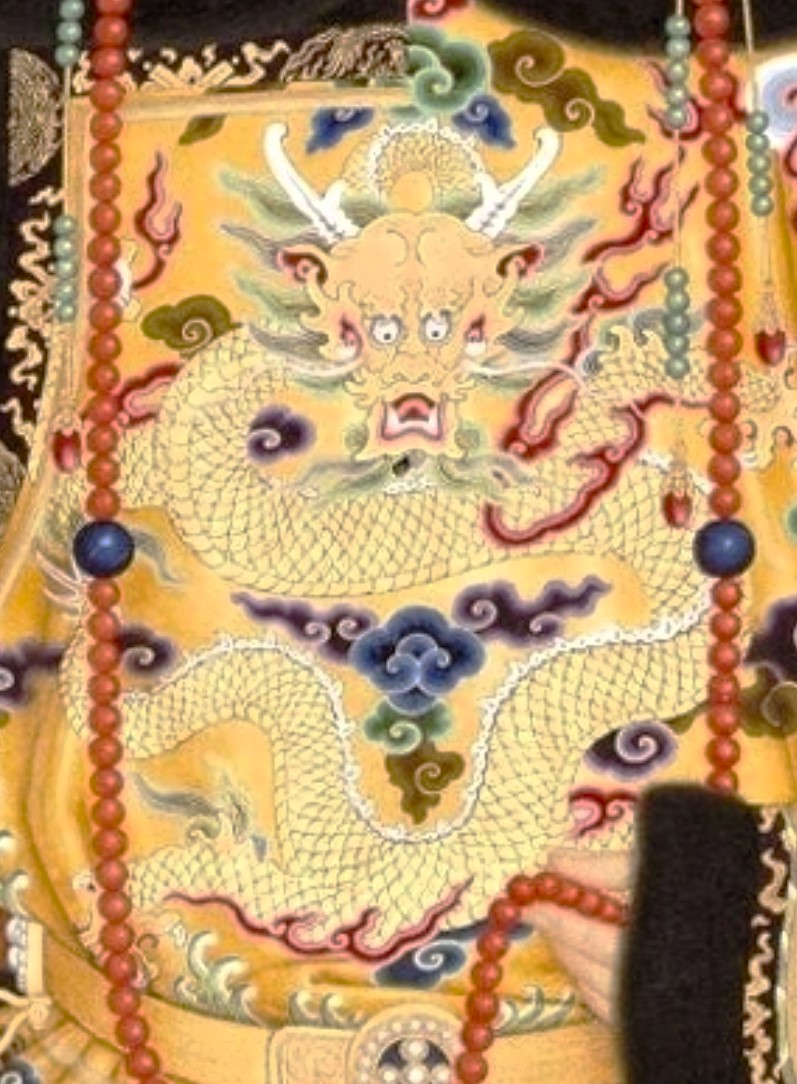
Emperors in Sung dynasty (960-1279) also wore longpao. In the Yuan dynasty (1279-1368), the two-horned five-clawed dragon was designated for use by Emperor only, while the four-clawed ‘dragon’, known as mang (蟒, lit. ‘python’) was used by the princes, nobles and high ranked officials. The robes were known as mangfu (蟒服). Similarly during the Ming dynasty (1368-1644) and Qing dynasty (1644-1911), the five-clawed dragon was strictly reserved for use by the Emperor only.
Twelve Old Summer Palace bronze heads
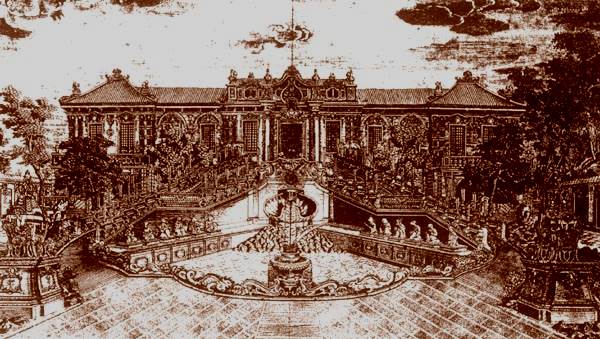
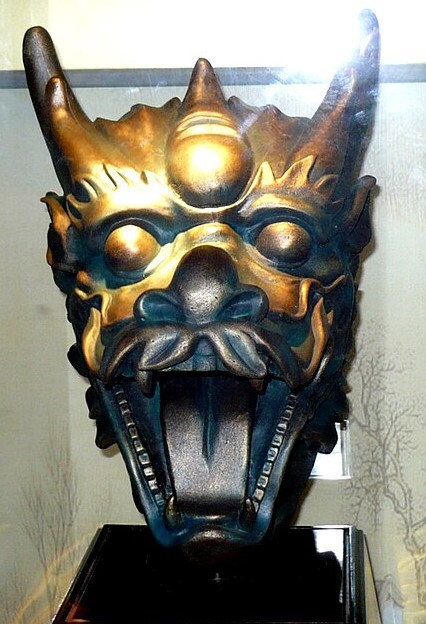
The Twelve Old Summer Palace bronze heads are a collection of bronze fountainheads in the shape of the Chinese zodiac animals that was part of a water clock fountain in front of the Haiyantang (海晏堂) building of the Old Summer Palace in Beijing. The statues would spout out water from their mouths to tell the time.
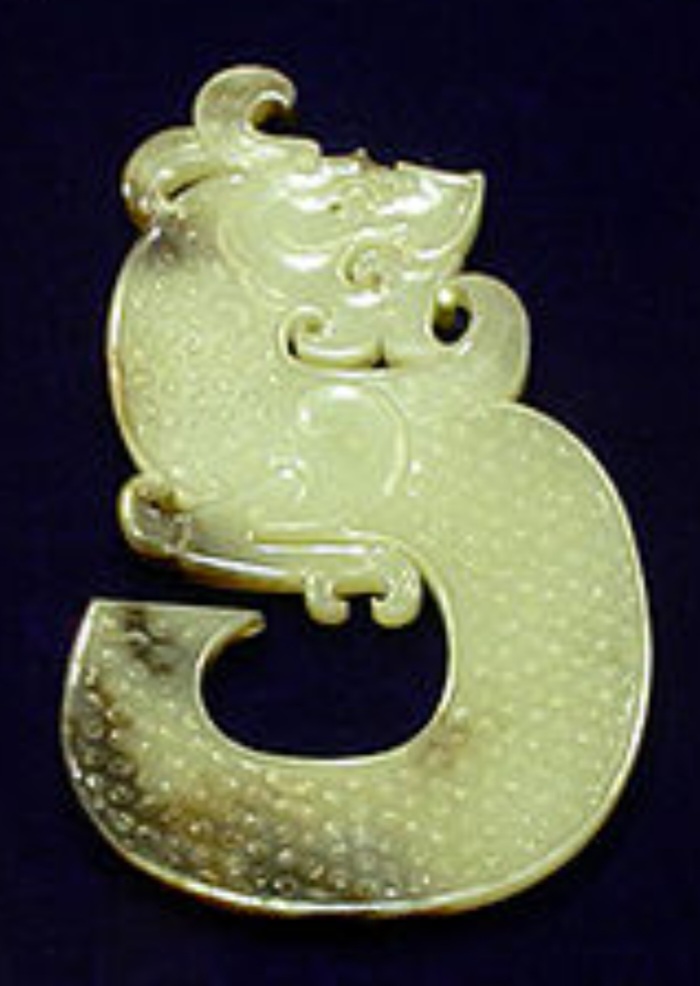
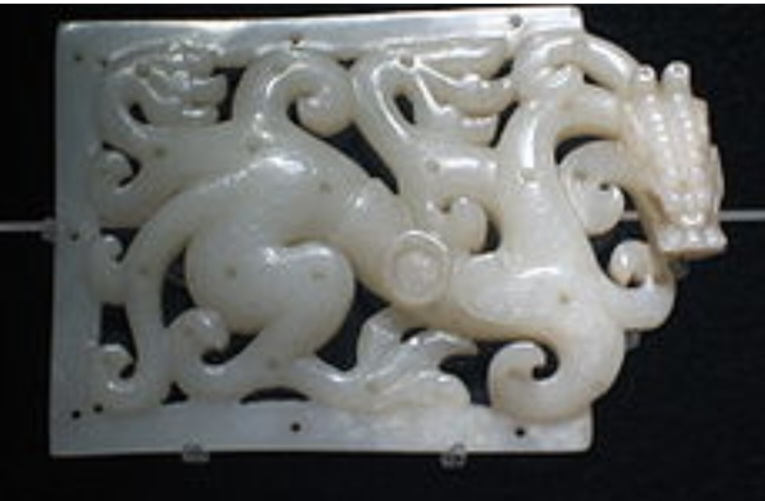
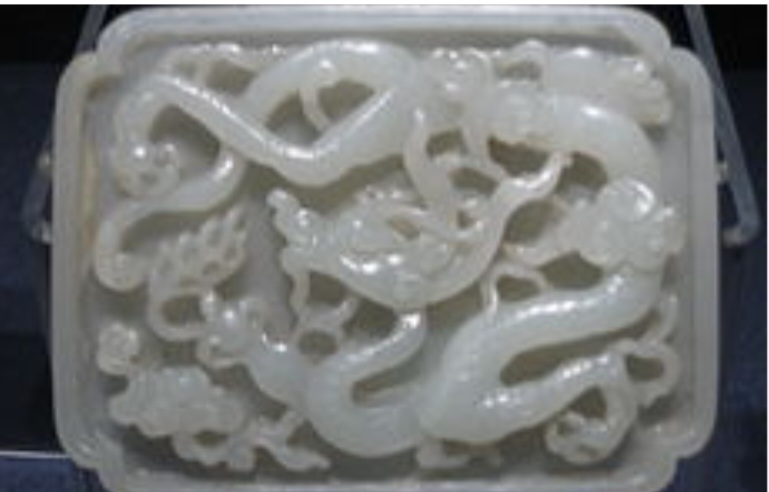
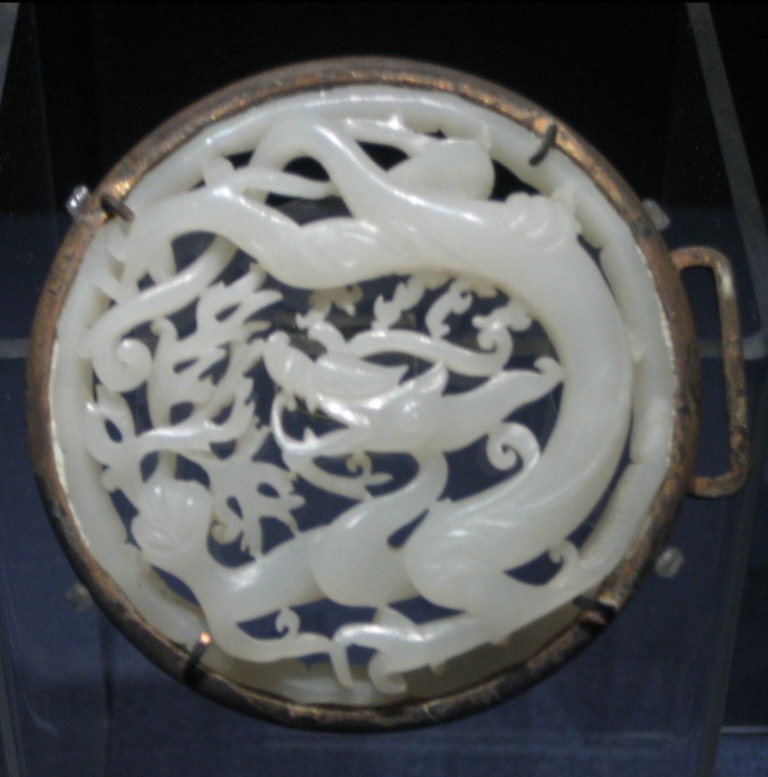
Small ornaments with dragon designs throughout history
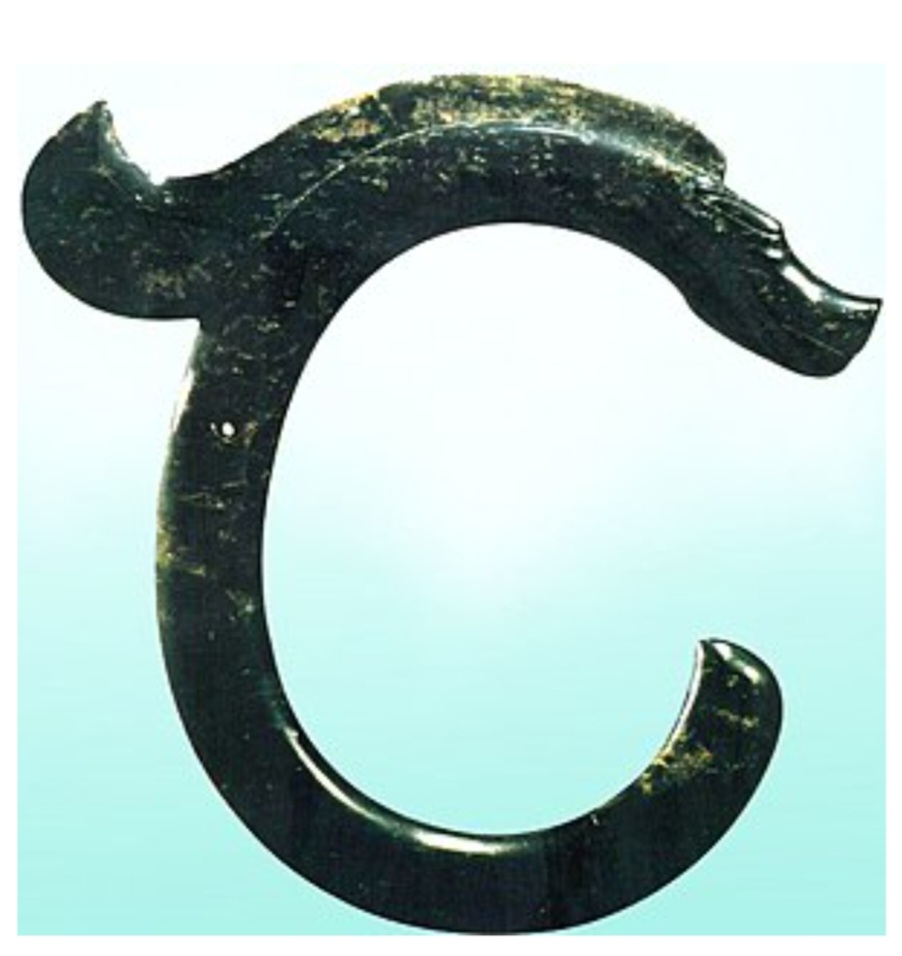
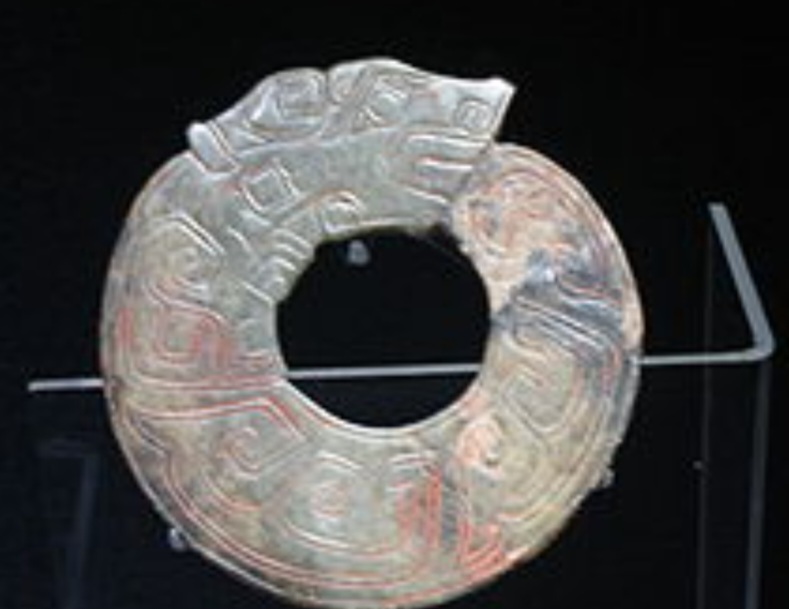
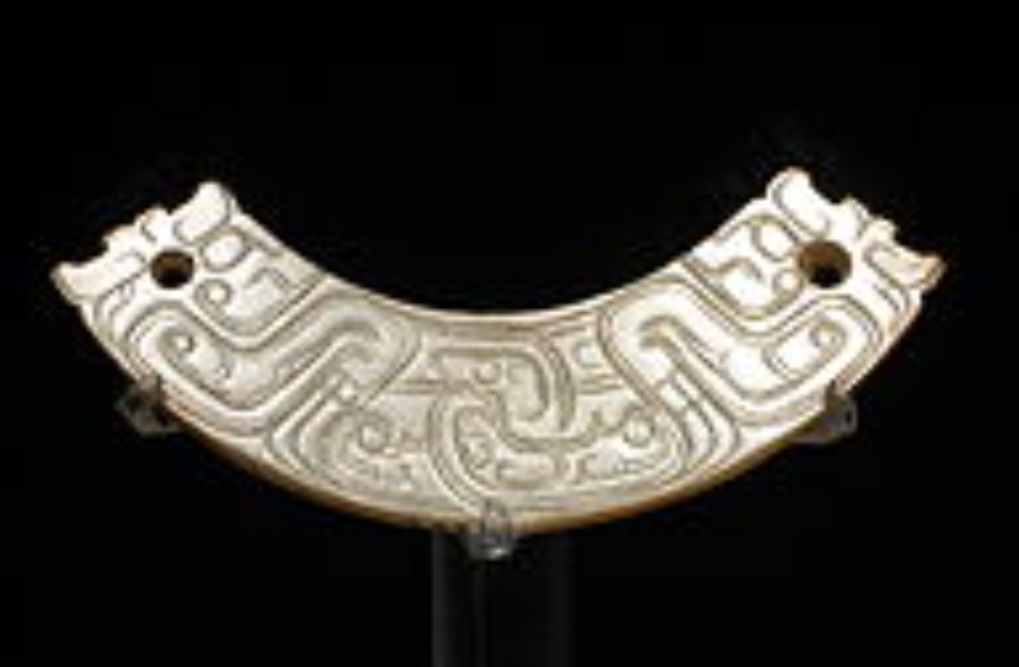
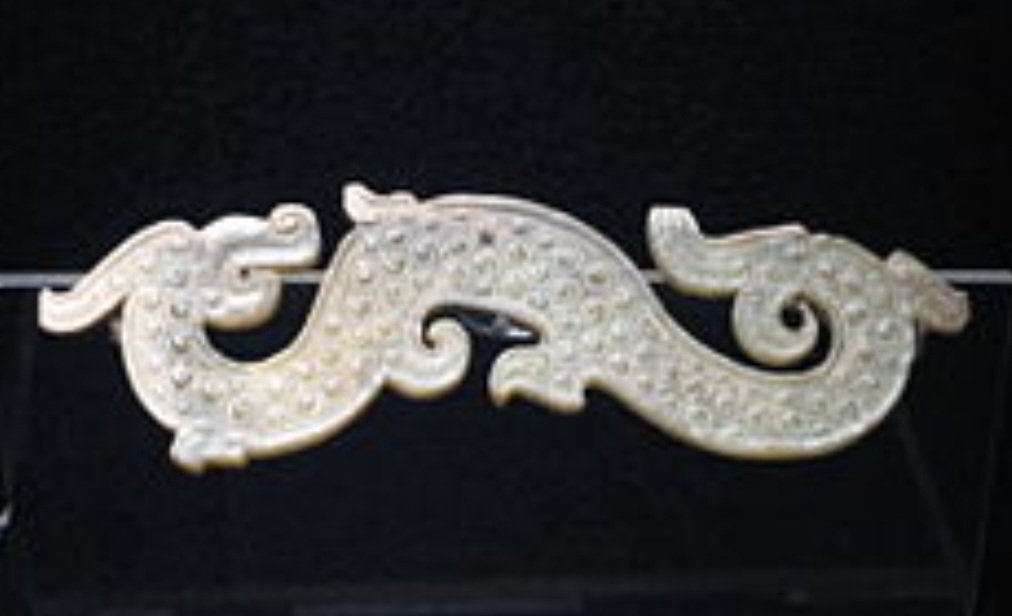

Porcelain dragon vases
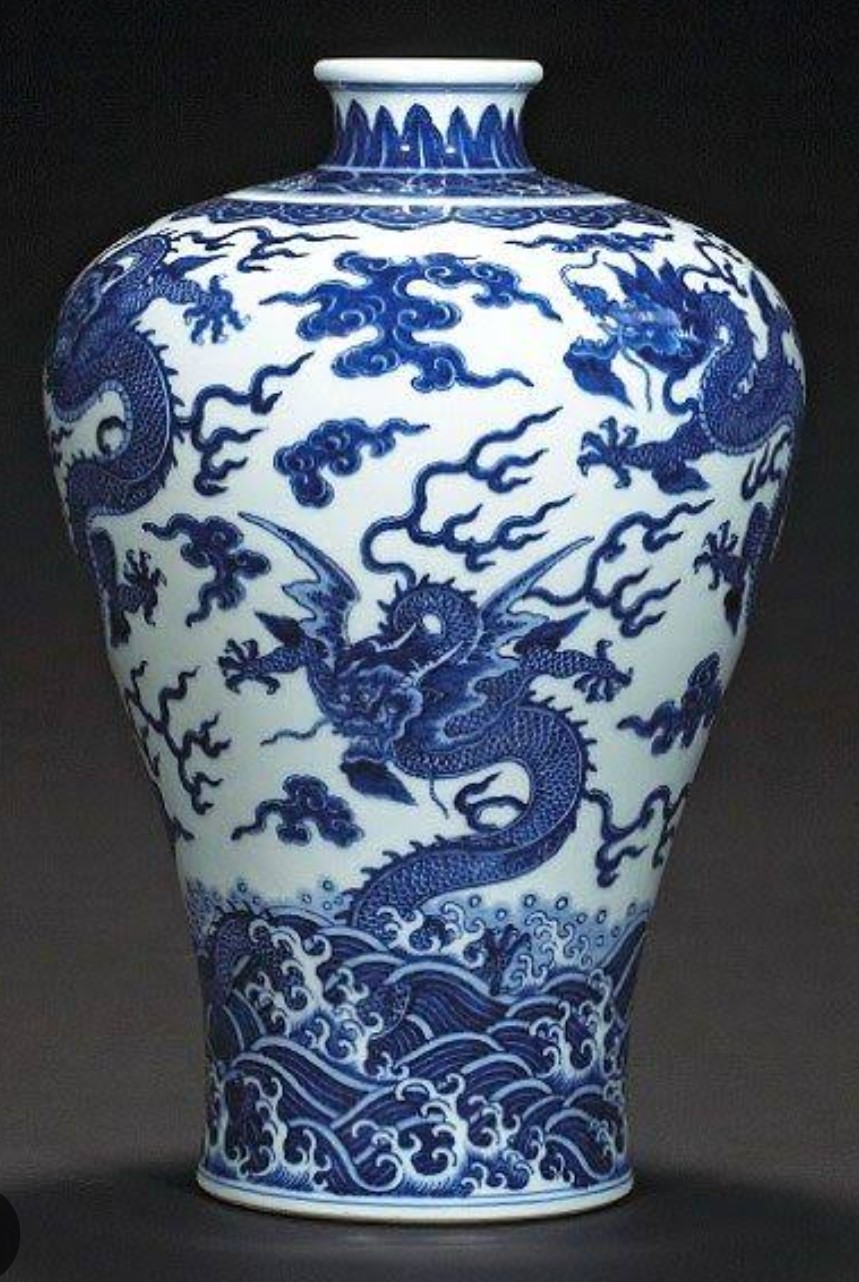

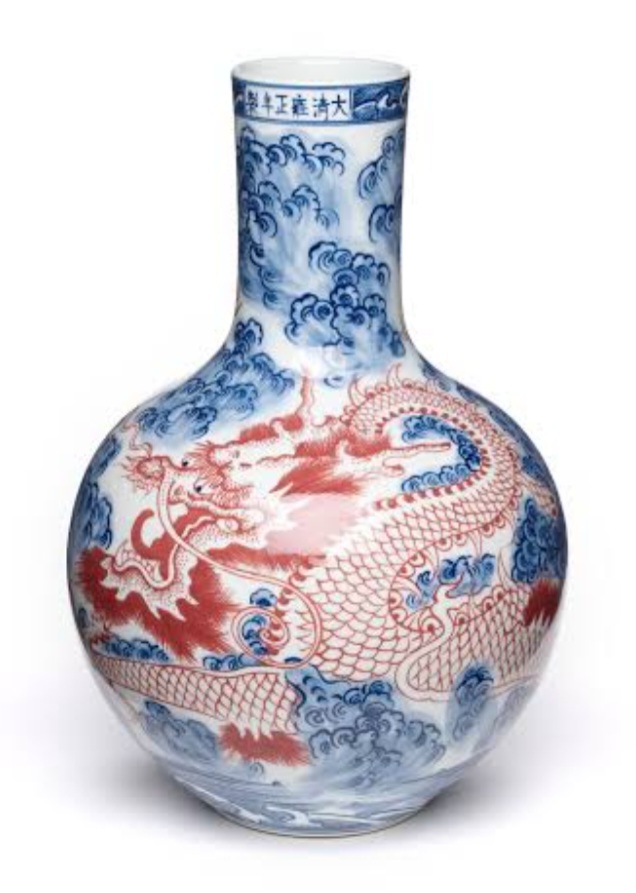
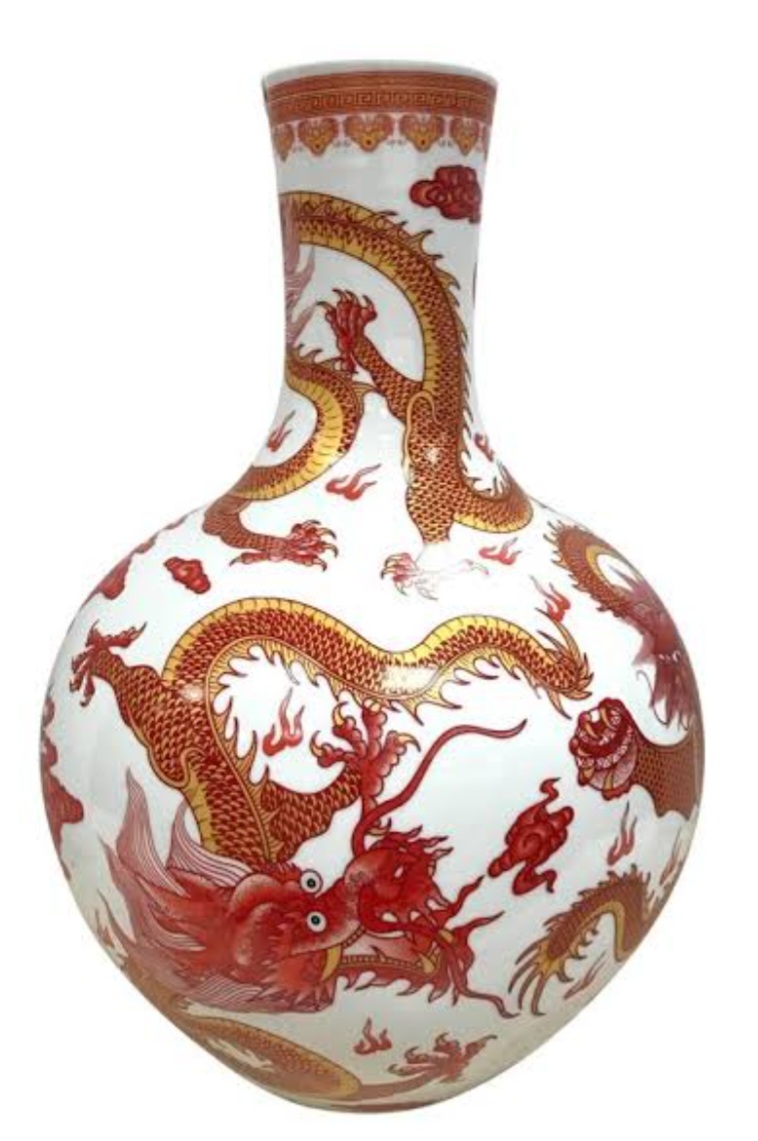
Dragon’s offspring (龍生九子)
Chinese legend also recognizes nine or more types of dragons, usually described as ‘dragon’s offspring’ (龍生九子). Most of them can easily be identified by the objects they are associated with. A good variety of them can be found in Beijing Forbidden City (紫禁城).
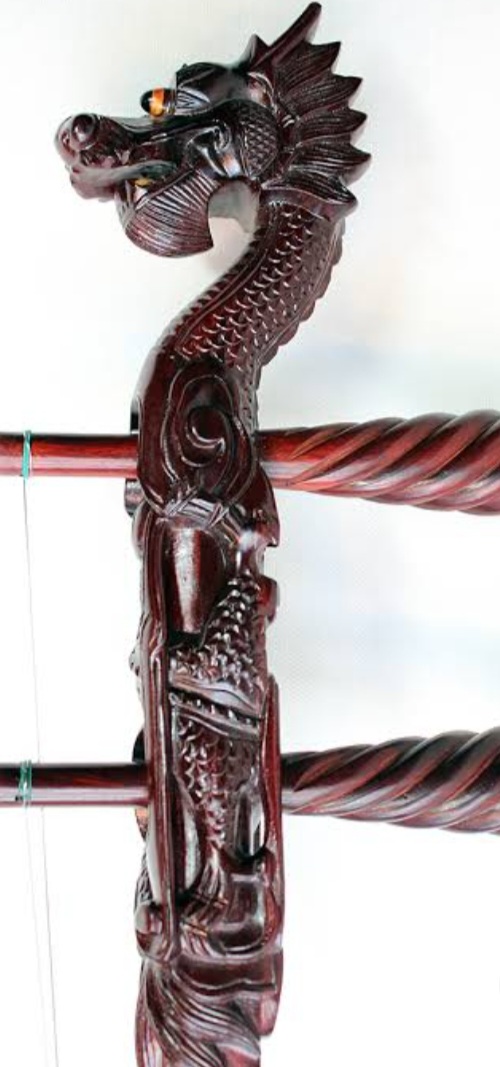
Qiuniu (囚牛) is a small dragon with a yellow head and horns, who likes music and is therefore carved on neck tops of music instruments such as erhu (二胡).
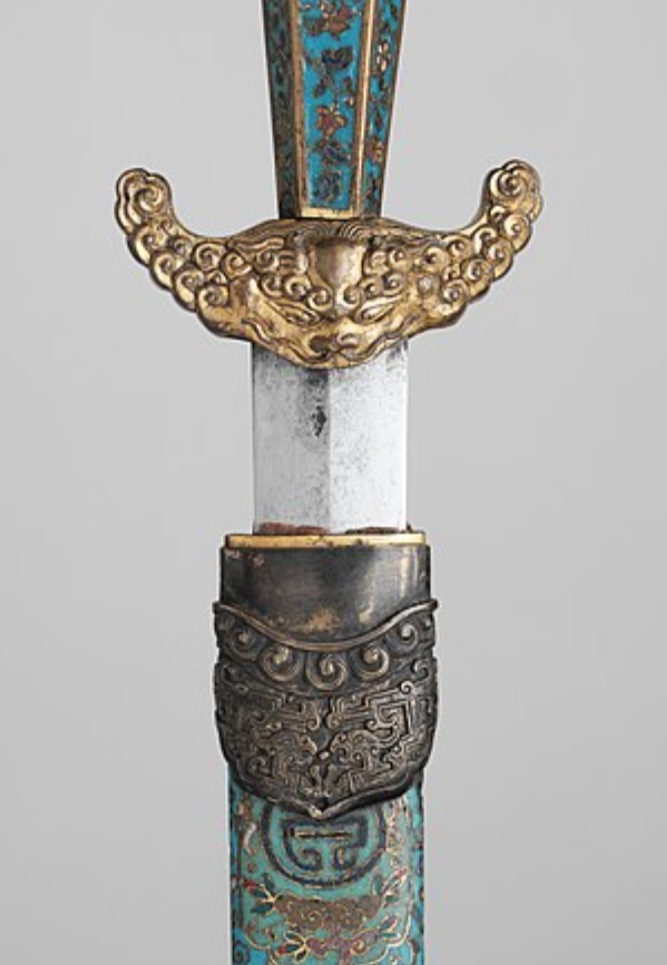
Yazi (睚眦) is a creature with a dragon’s head and a jackal’s body. It has contentious temper, likes to kill and fight. Yazi is commonly carved on sword and knife handles.
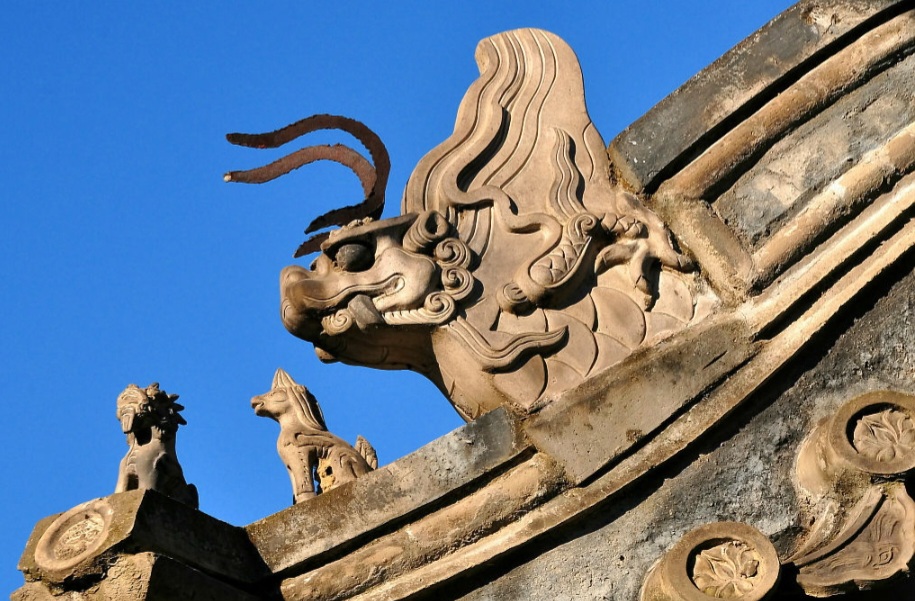
Chaofeng (嘲鳳) is a small dog-like dragon. It was installed on roof tips. It watches for any danger that may approach the house.
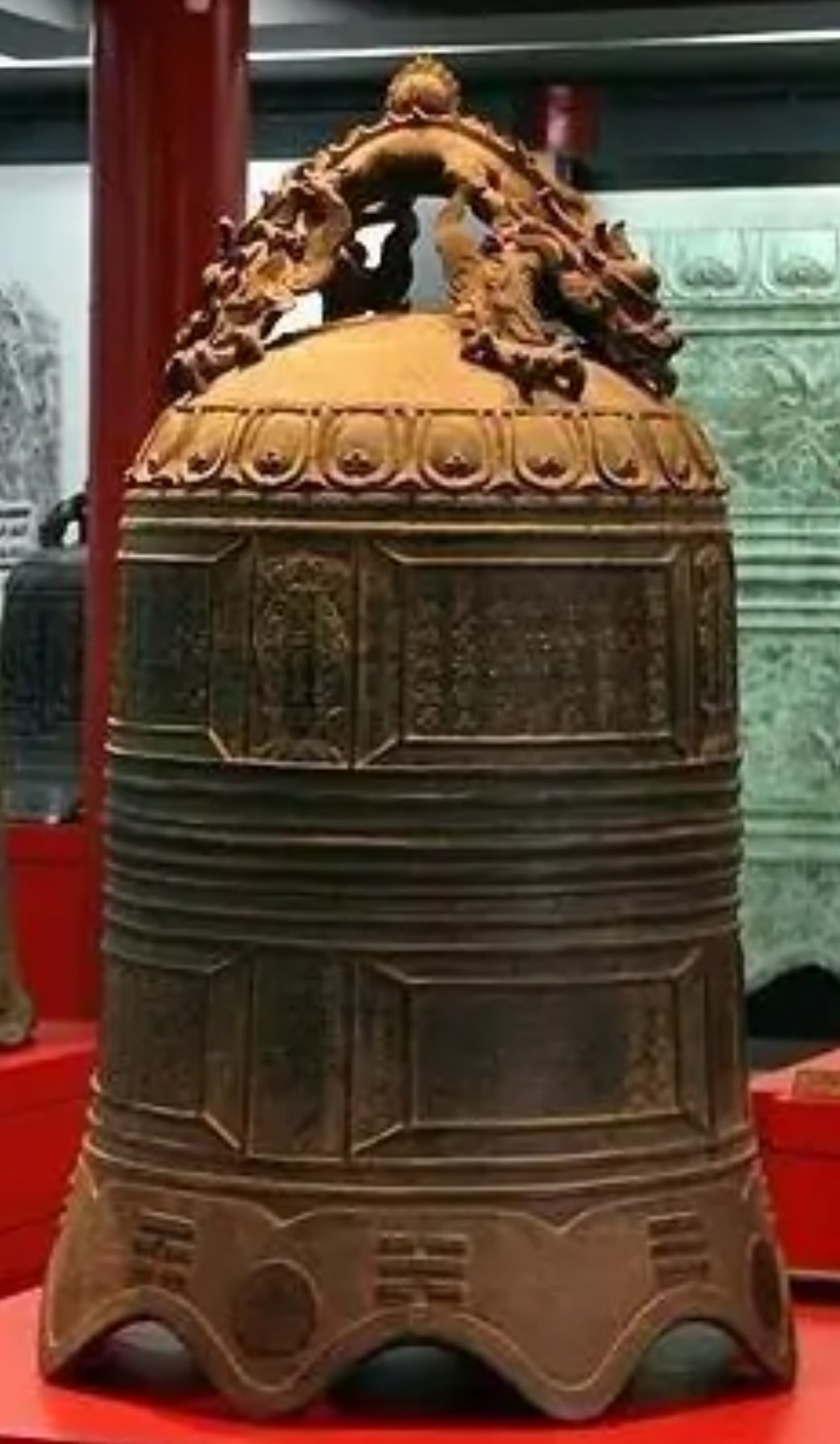
Pulao (蒲牢) is a beast that likes to roar. It was believed that pulao used to live at the seacoast and they were afraid of the whale, upon seeing which they began roaring loudly. Its image can be found on bells.
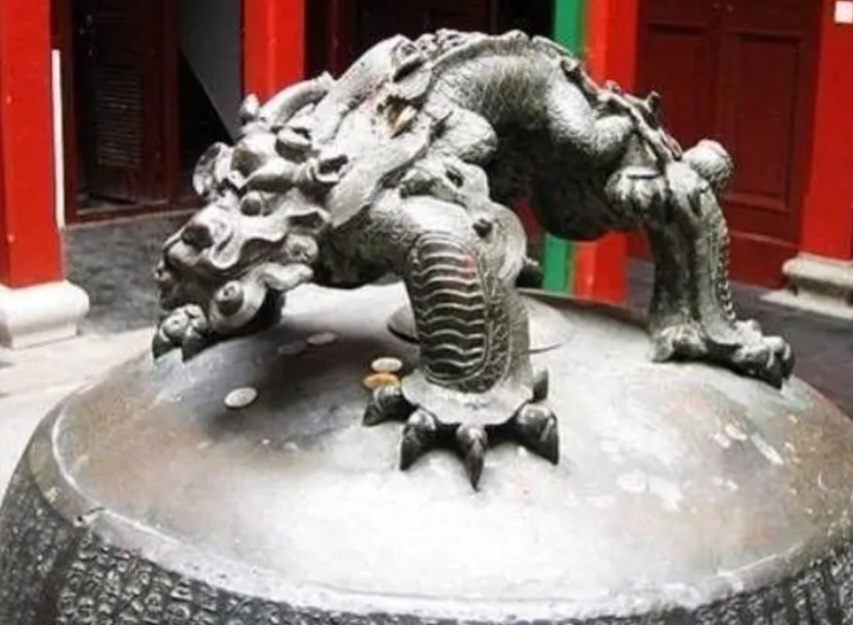
This pulao has two heads affixed to the bell, its curved body formed the handle.
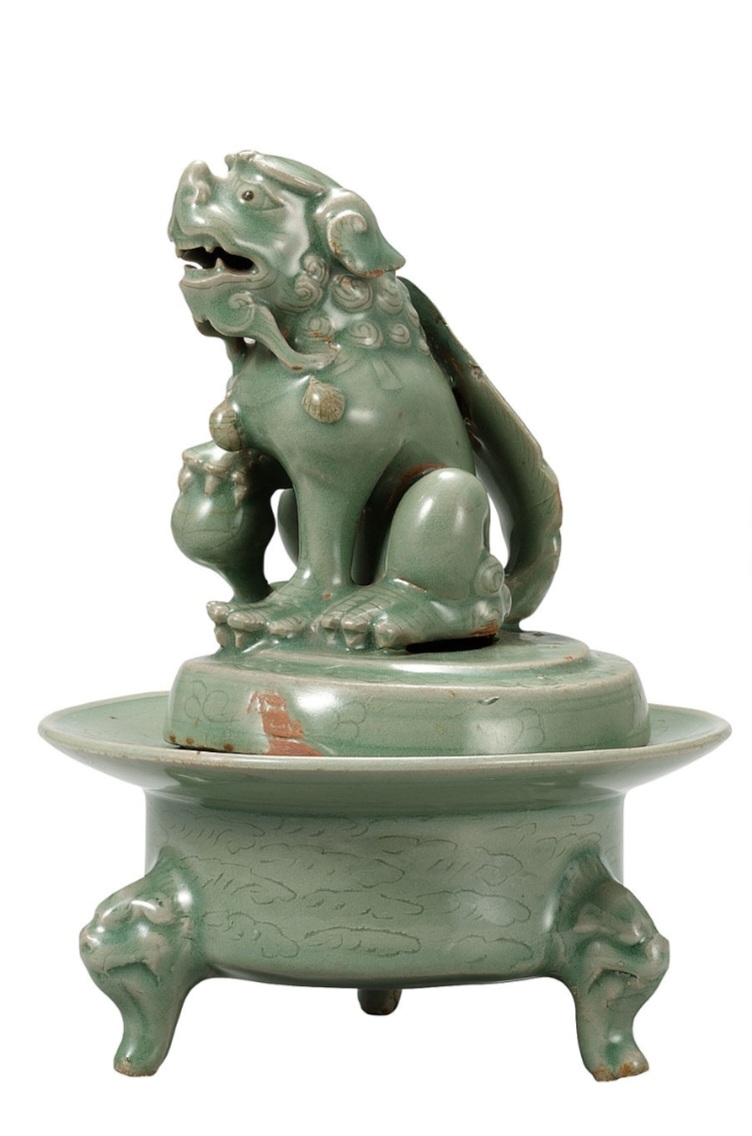
Suanni (狻猊) is a lion-like creature, which may be seen on incense burners. It loves to sit calmly in a meditative pose, with his legs tucked under him, and enjoy the fragrance of incense.
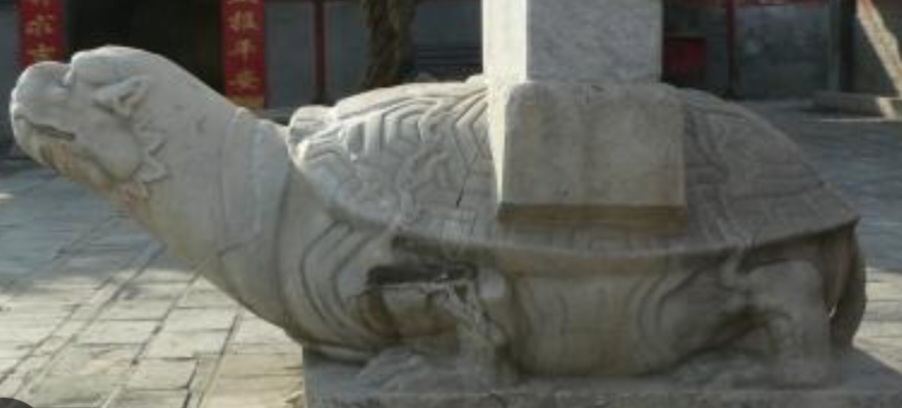
Bixi (屭贔) looks like a tortoise and is extremely strong. He bears a heavy load on its back. Bixi is usually found supporting a pillar or a column. It is thought that it can defend invasions.
Bi’an (狴犴) looks like a tiger with two large fangs facing front. Owing to its innate propensity for justice, it likes to watch litigations. Bi’an can be found in courts of law and prison doors.

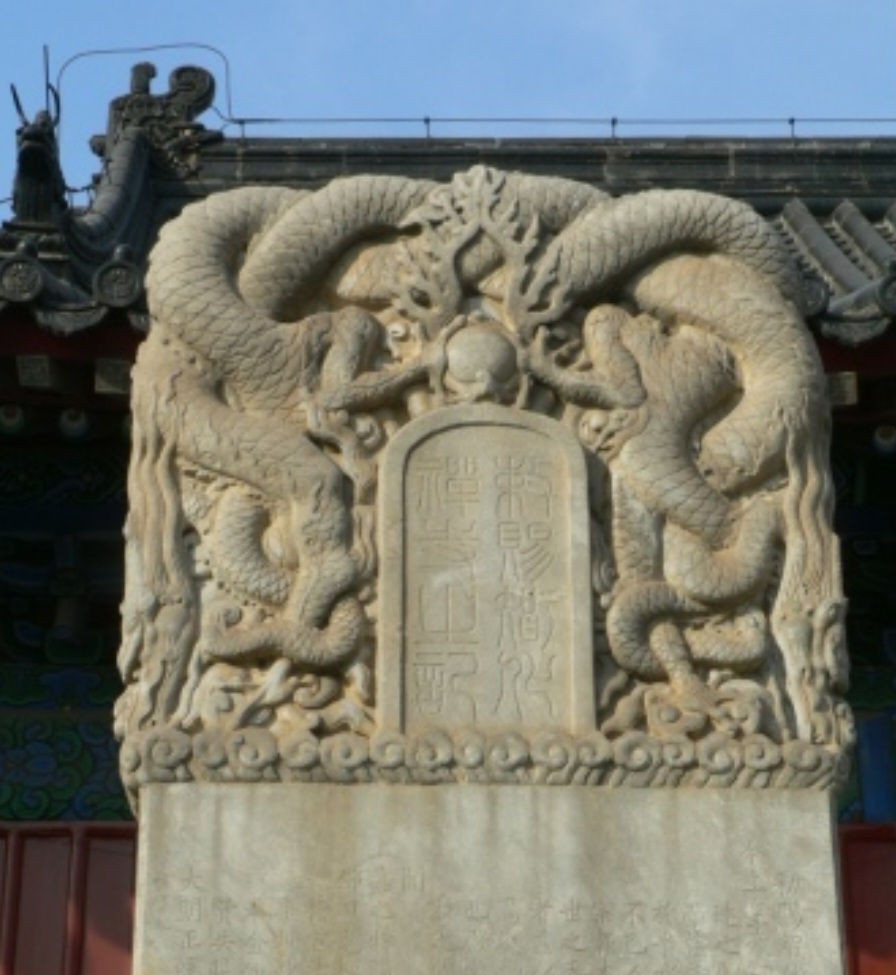
Fuxi (負屭) looks very much like its father (the dragon) appearance. Fuxi likes literature and education, therefore it is used to decorate the tops of memorial stelae.
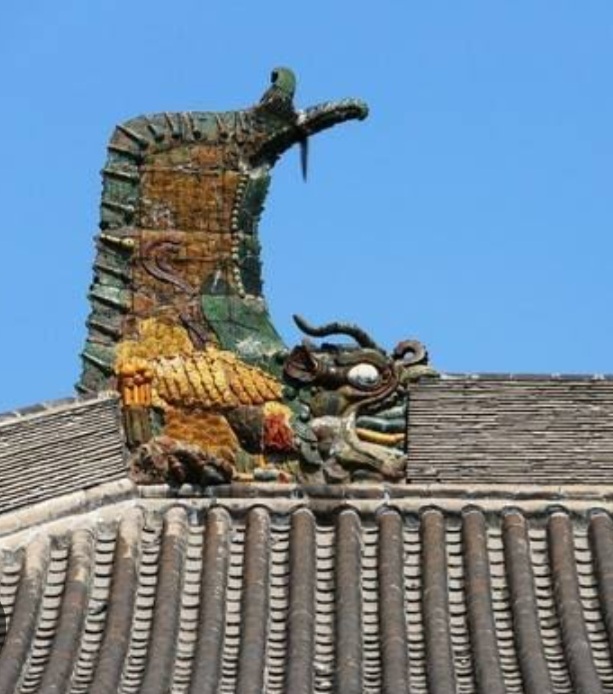
Chiwen (螭吻) is a fish-like, hornless dragons with a truncated body and a wild mouth. They are placed along roof ridges to guard against fire.
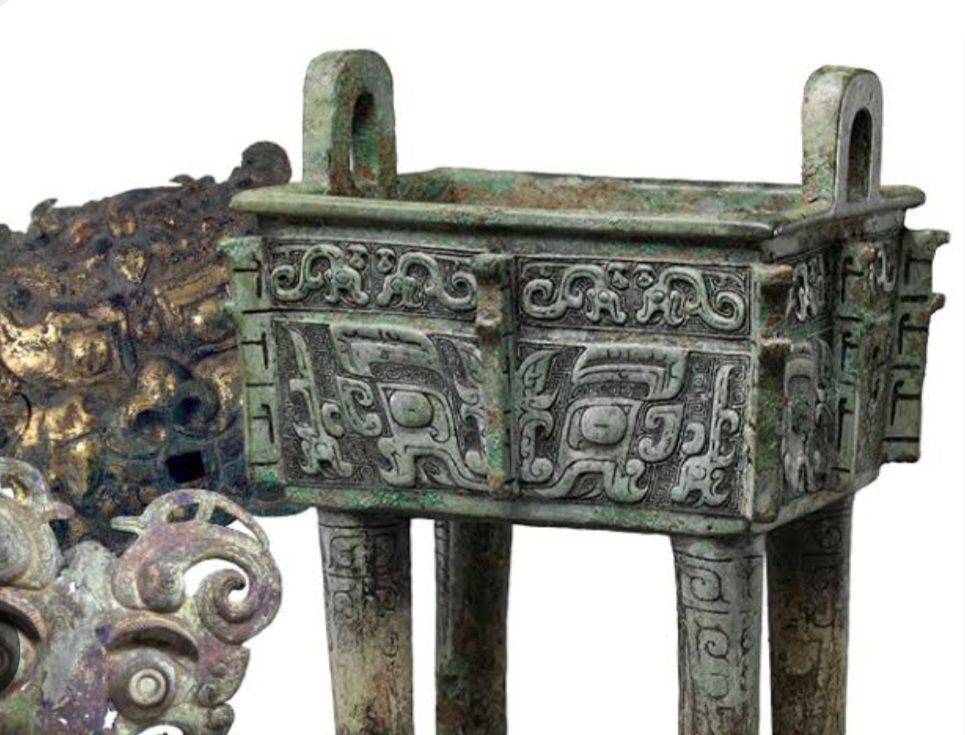
Taote (饕餮) is a voracious creature, who does not have a body. It only has a head with huge eyes and stylized swirls that form the rest of its face. Taote is a symbol of greed. Its first images appeared as early as on Shang bronze vessels and served as a protective amulet.
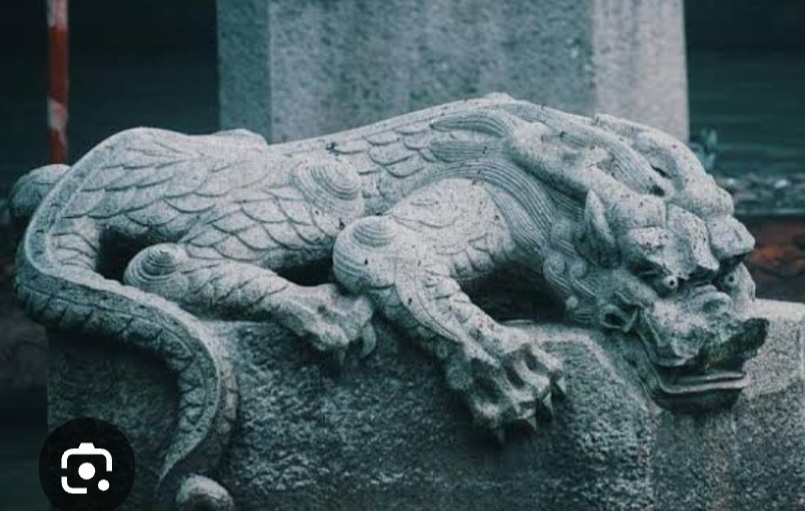
Baxia (霸下) also resembles a tortoise, but it does not carry weights on his back. It likes spitting water. Baxia was used to decorate bridge piers and drains.
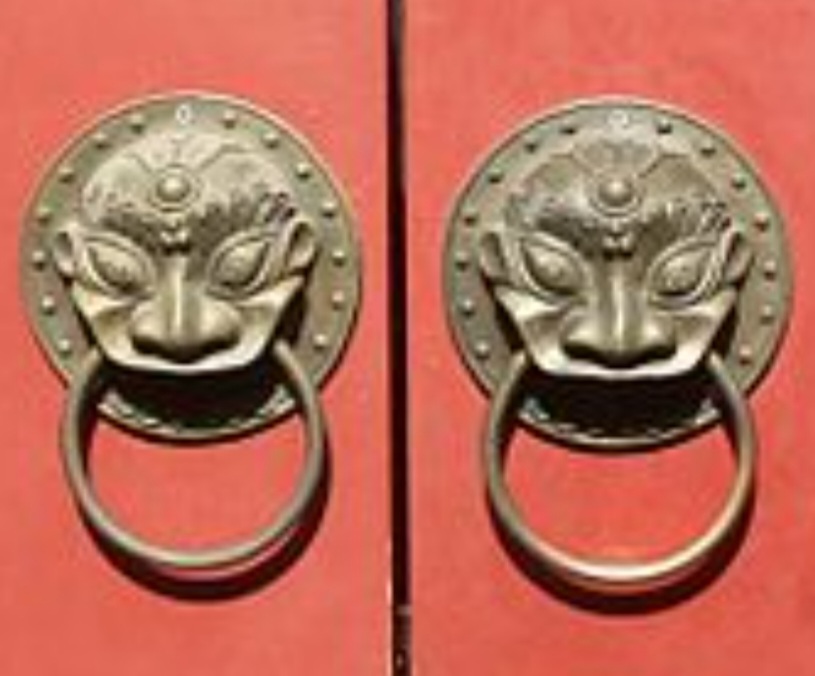
Jiaotu (椒圖) is an unsociable beast, who used to live in a bivalve shell. Its head with a ring between teeth serves as handles on doors and gates. It was believed that jiaotu could repel evil spirits.
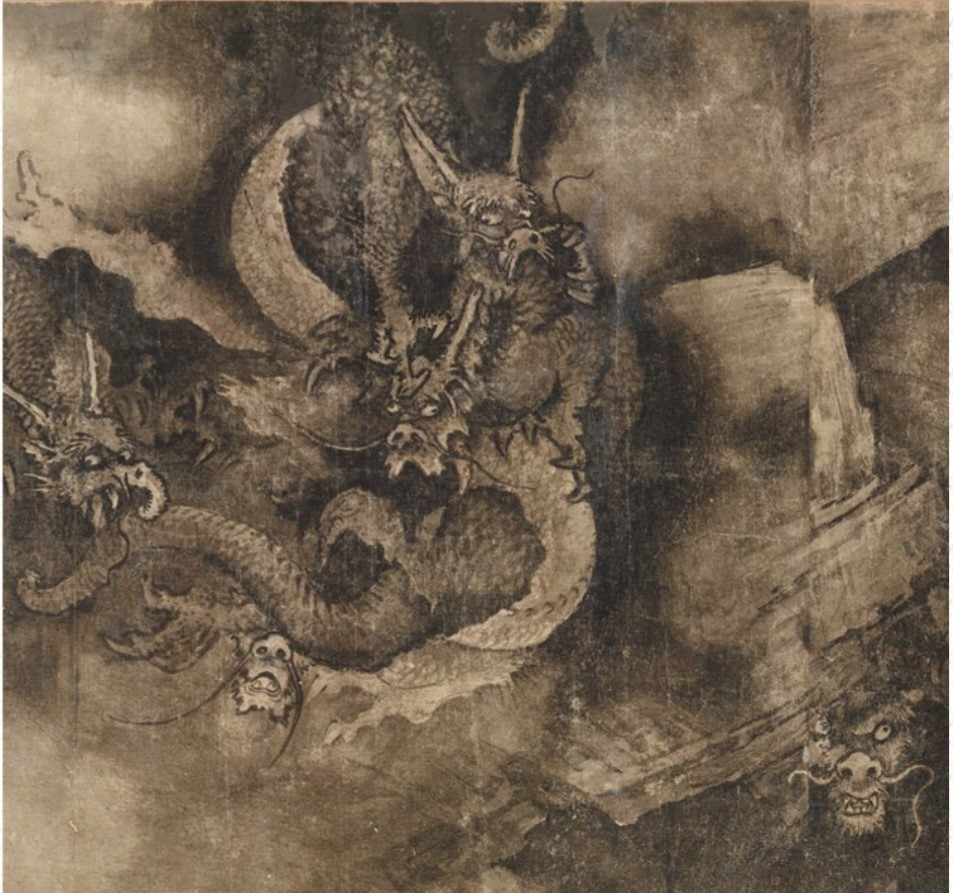
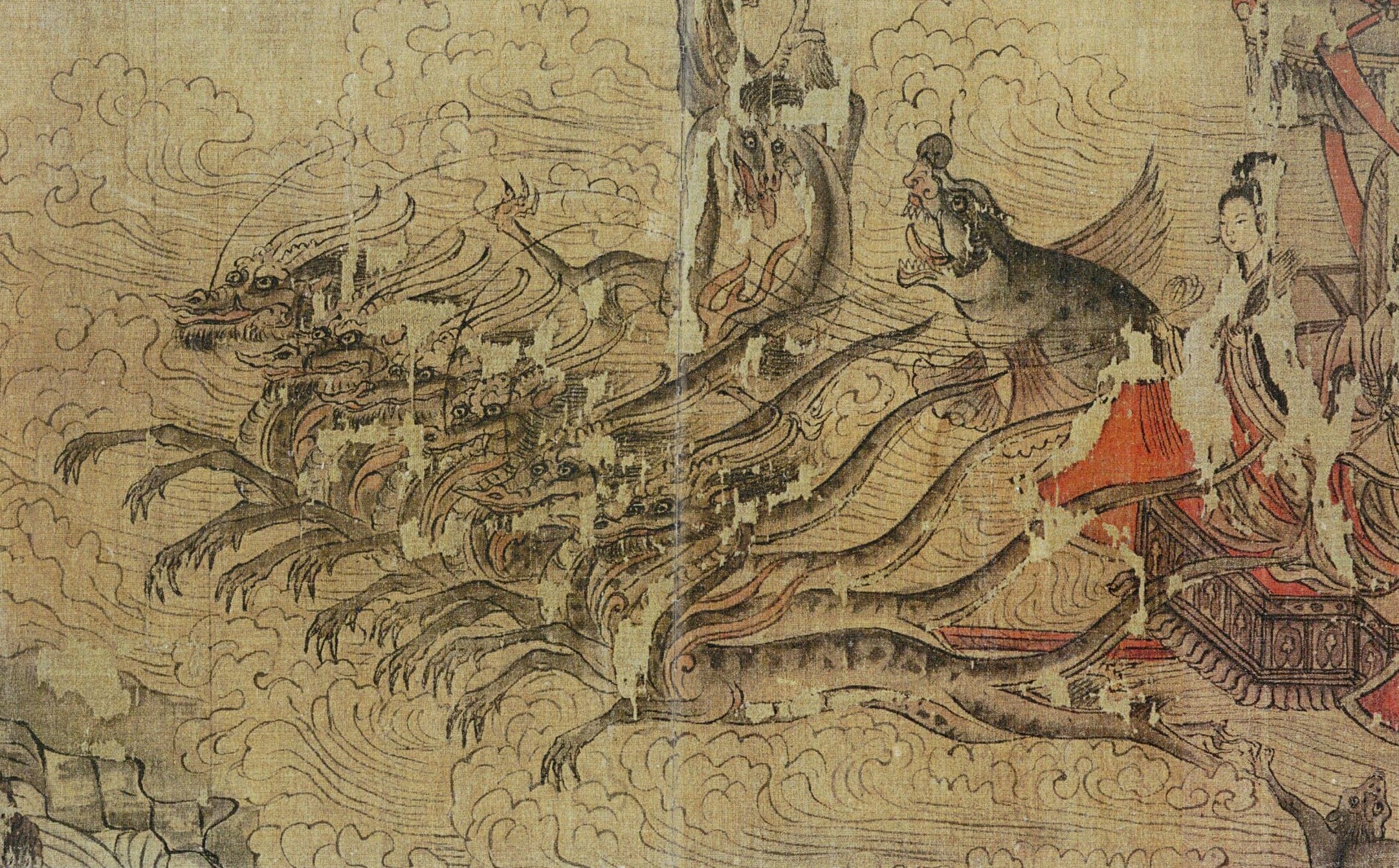
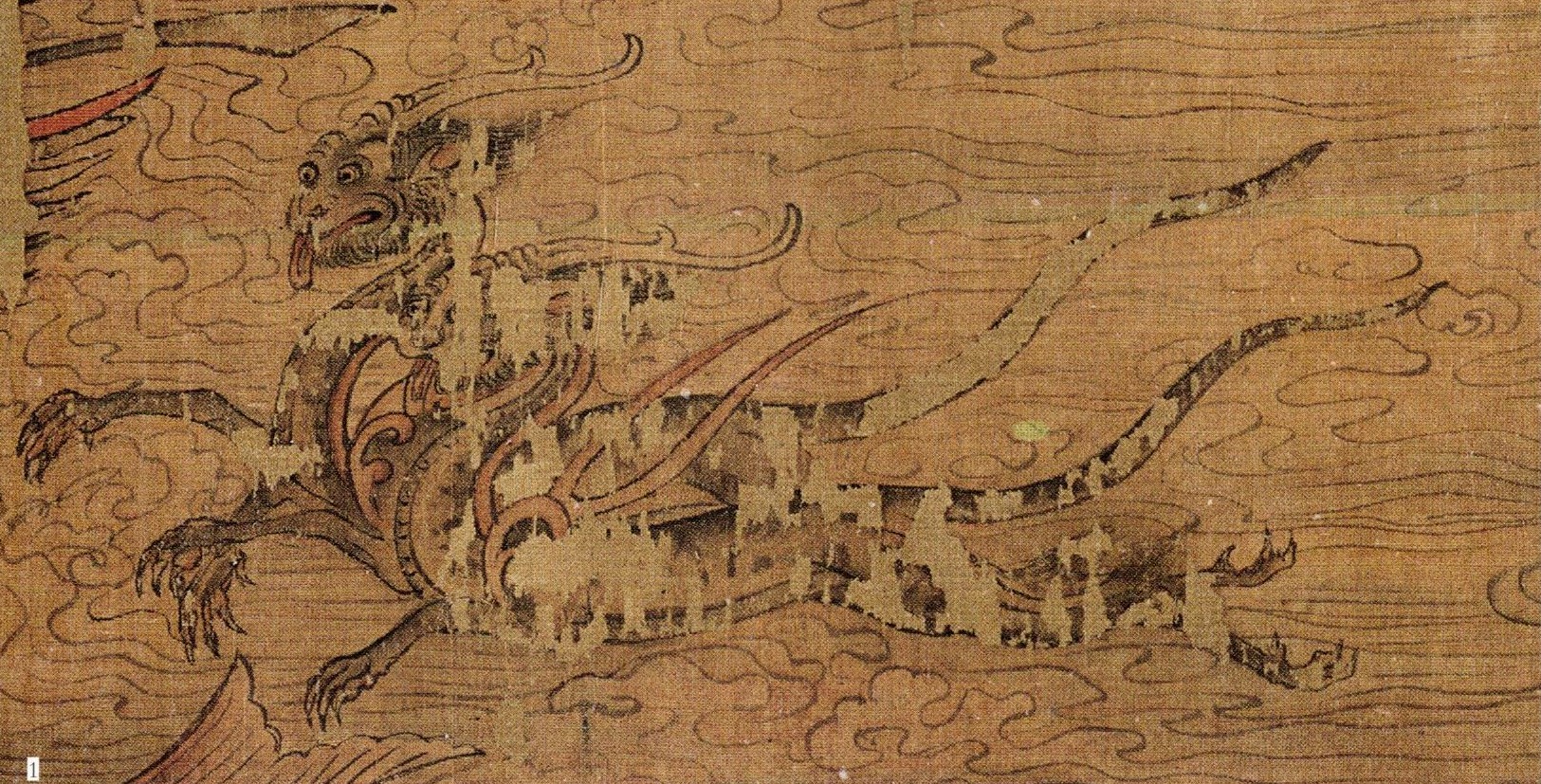
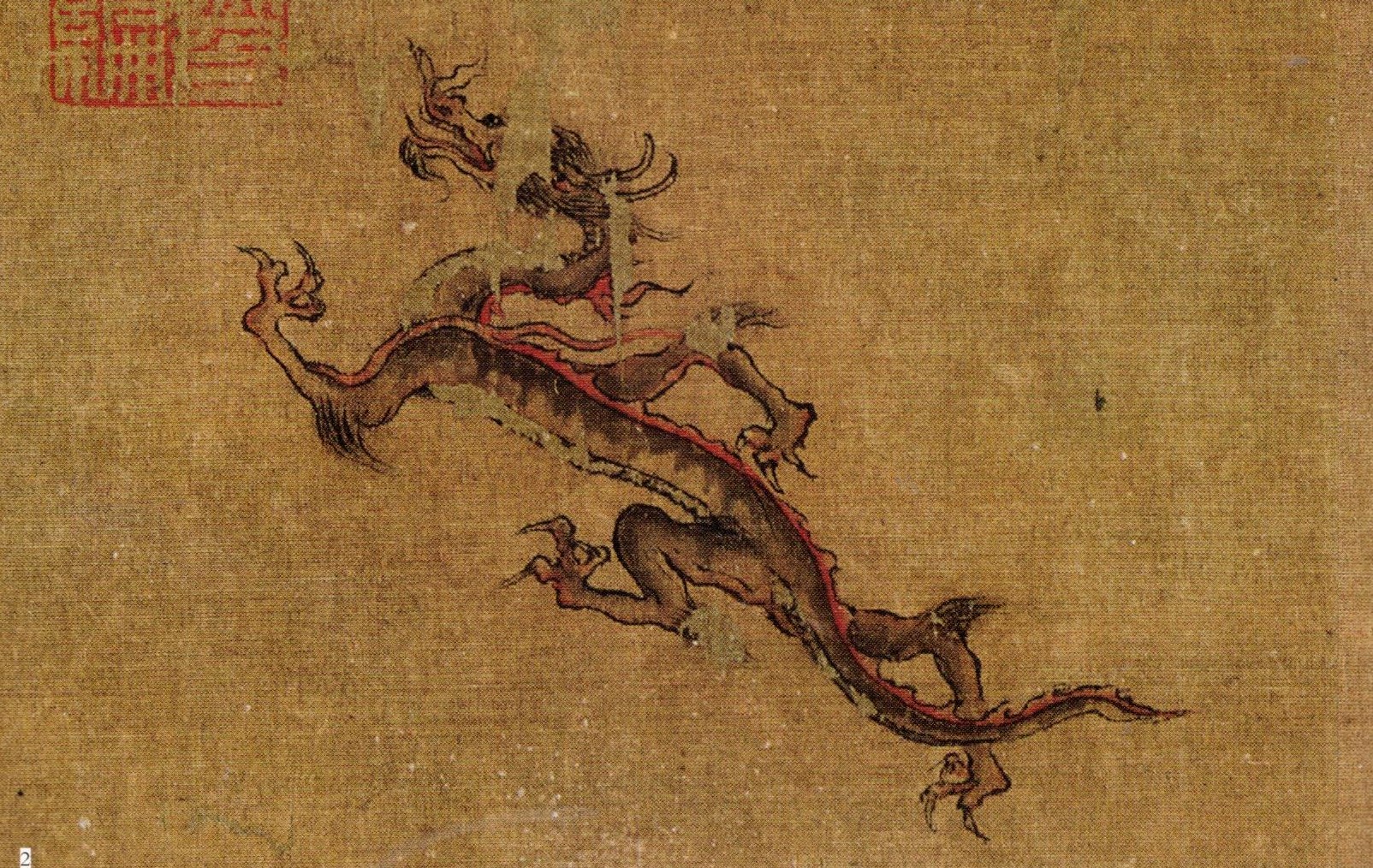
Chinese Paintings of Dragons throughout history
Chen Rong (陳容, 1200-1266), Nine dragons (九龍圖卷)
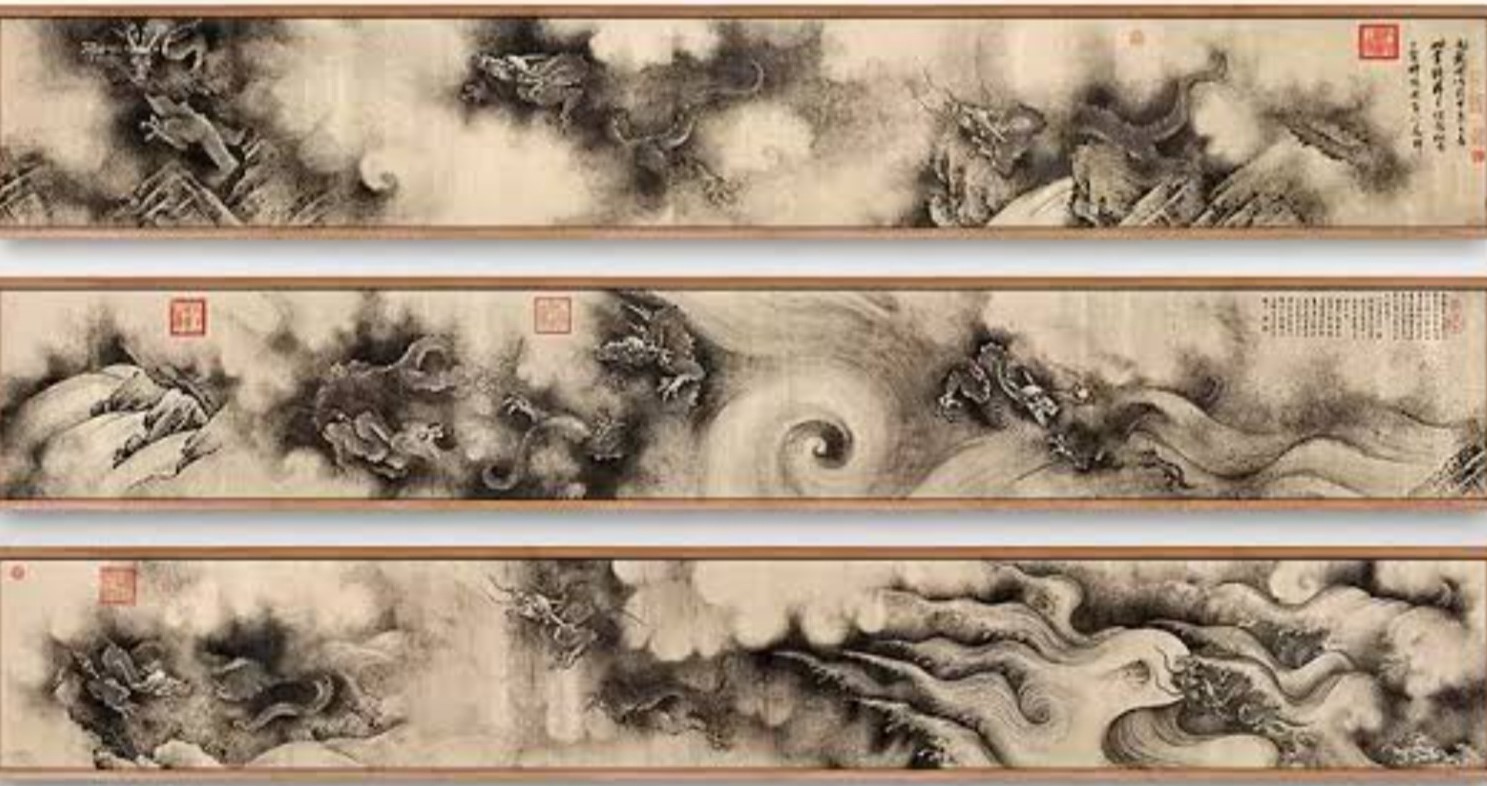
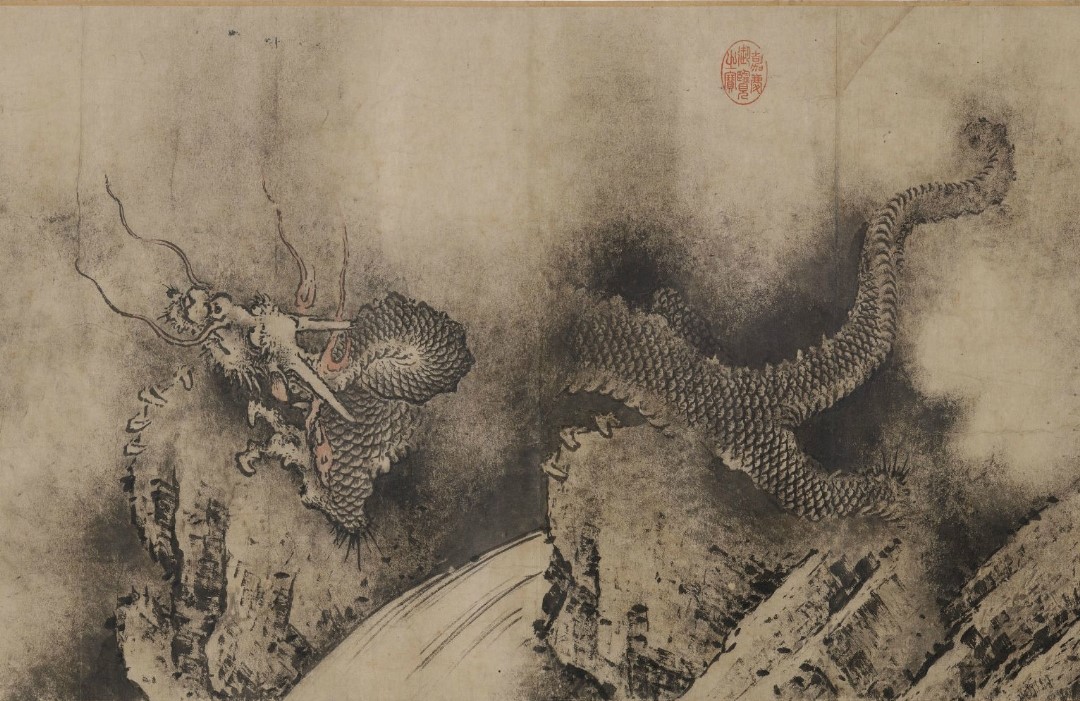
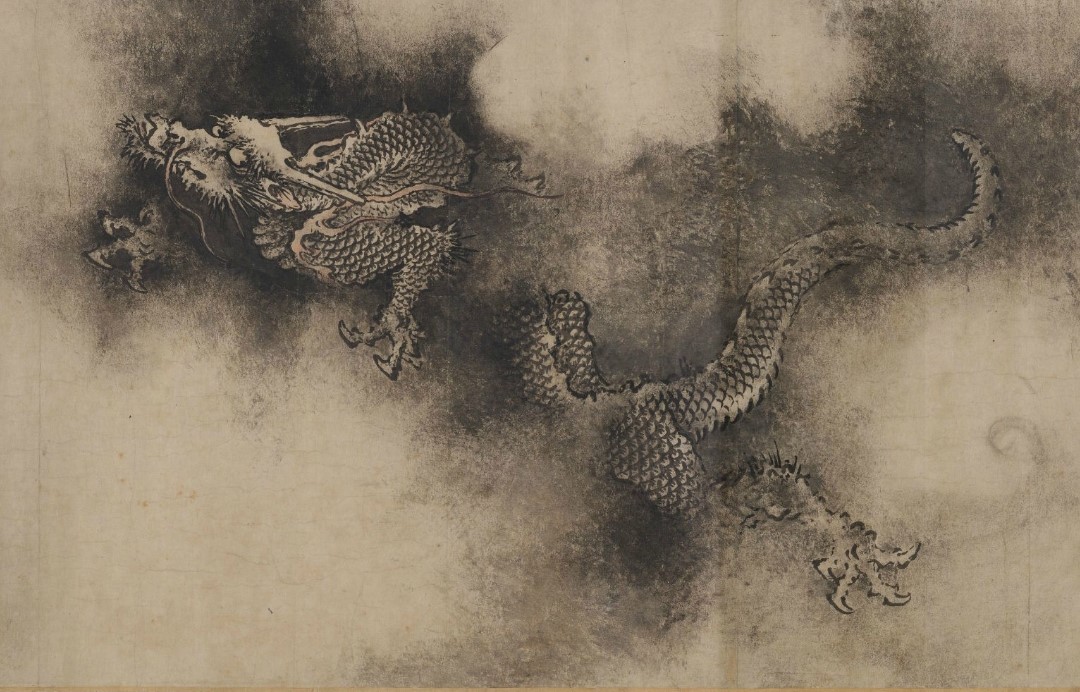
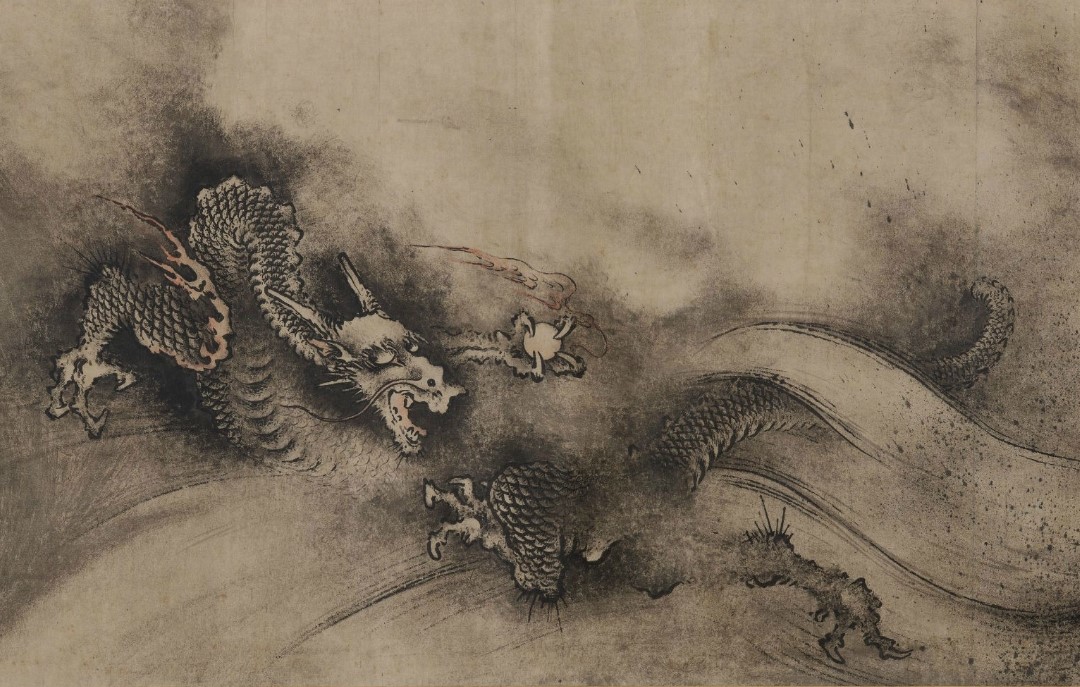
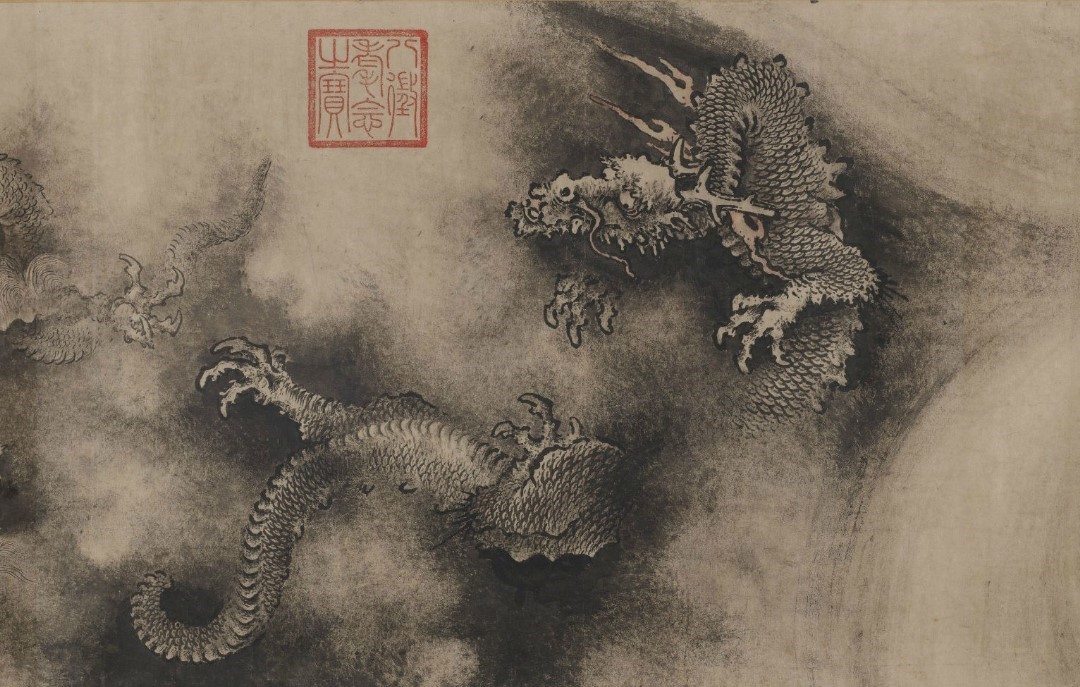
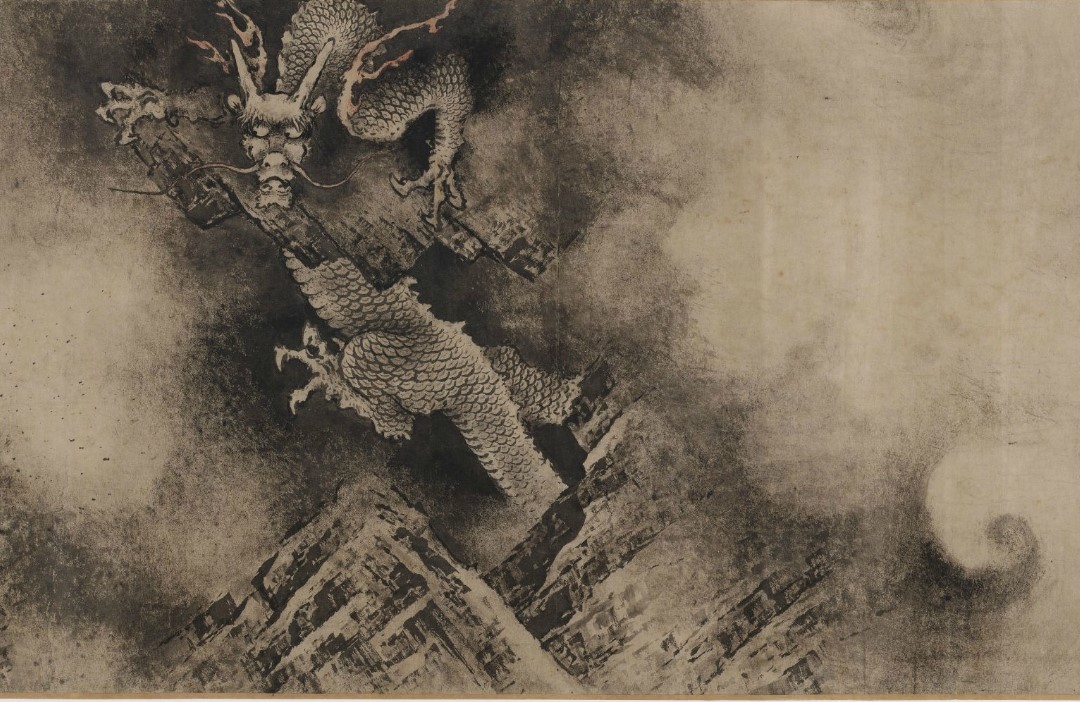
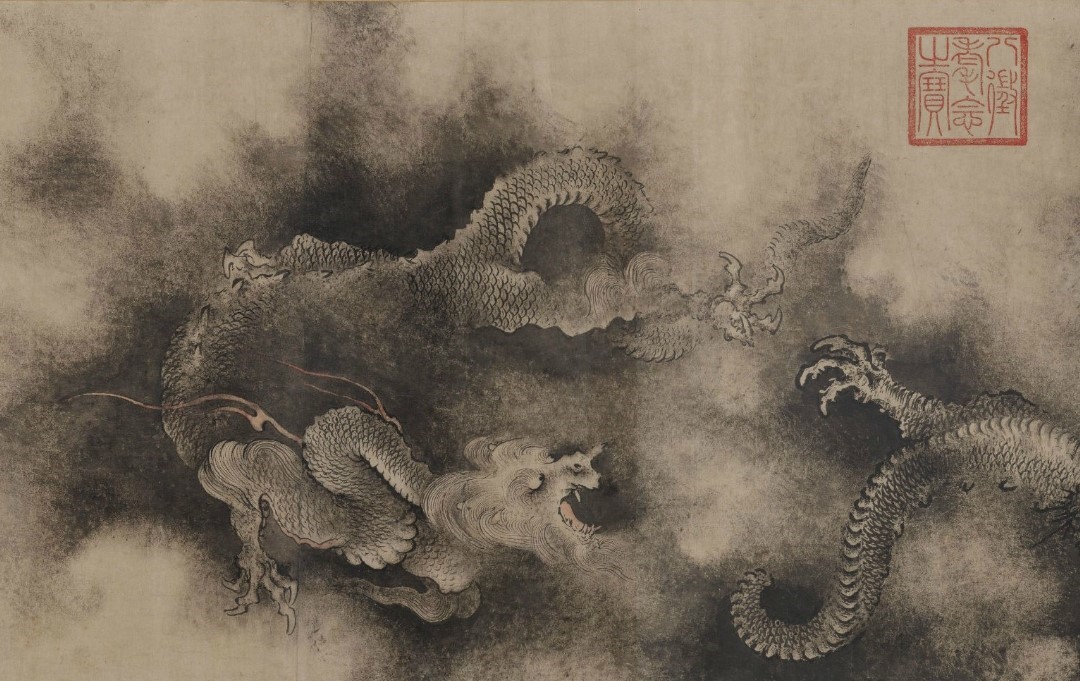
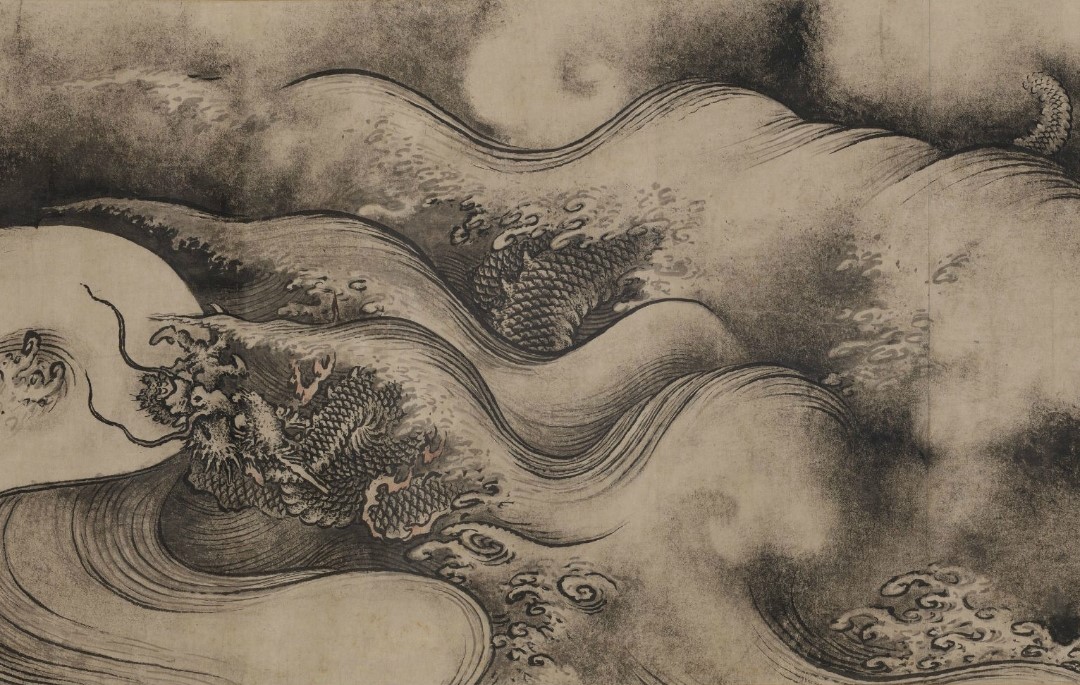
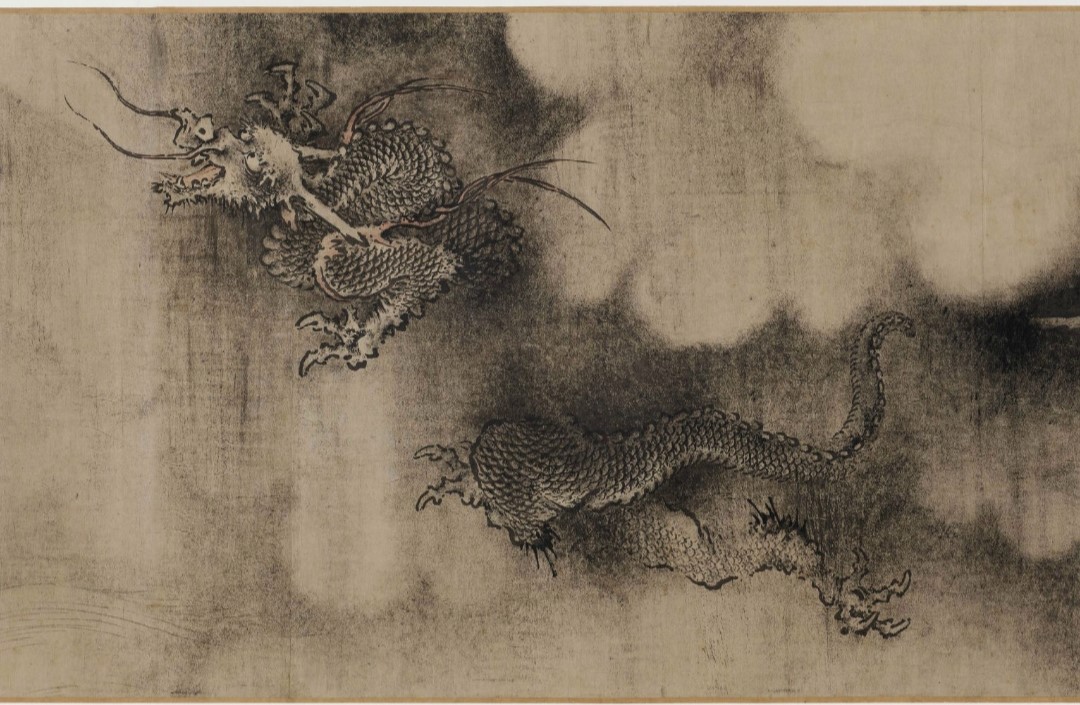

Chen Rong (陳容, 1200-1266), Five dragons (五龍圖卷)


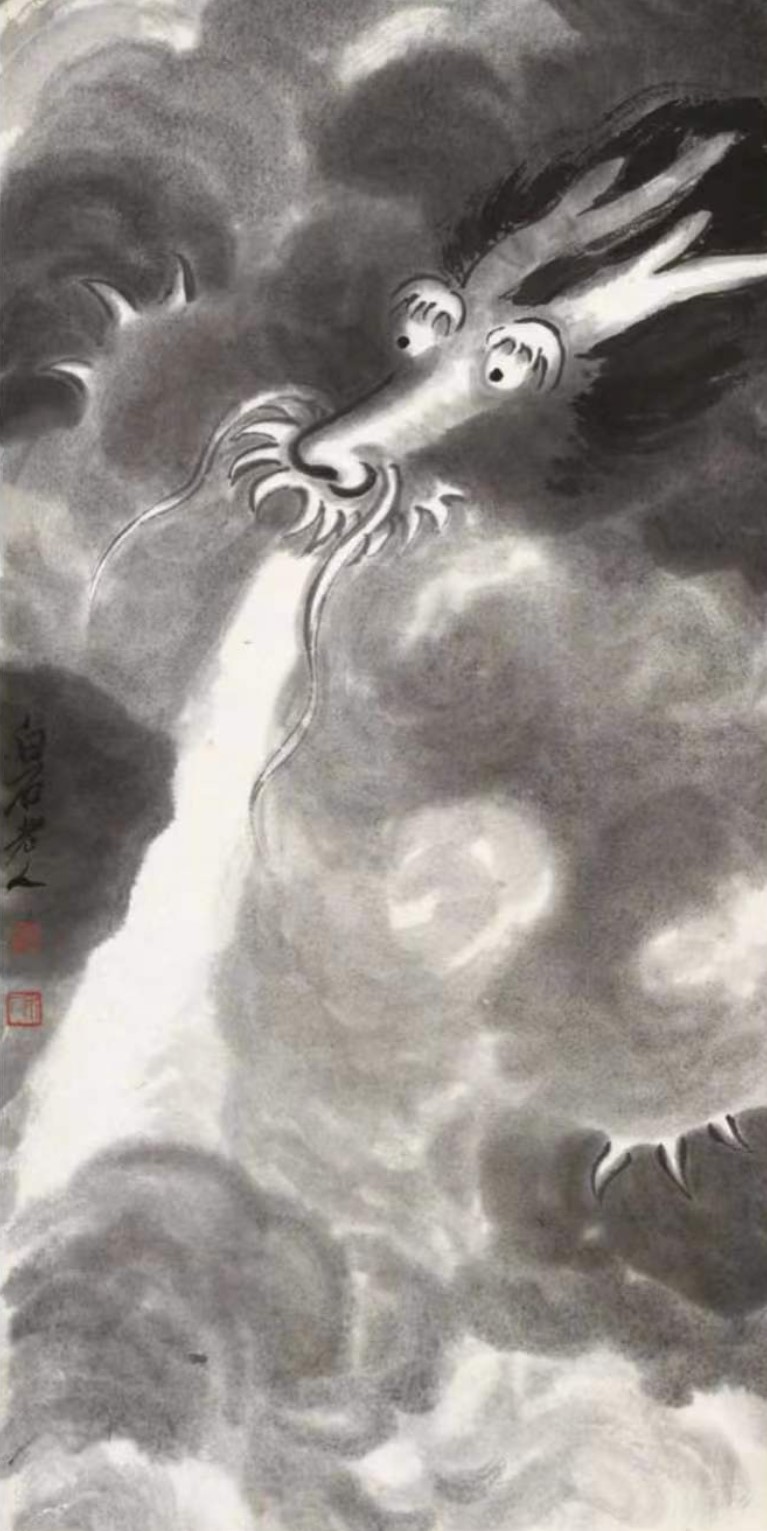

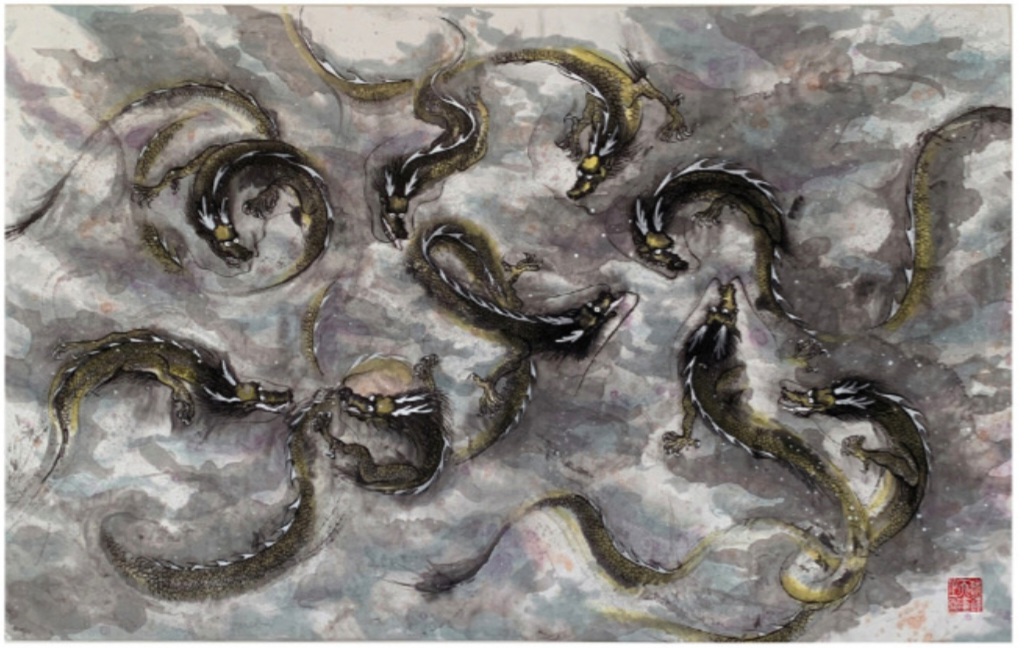
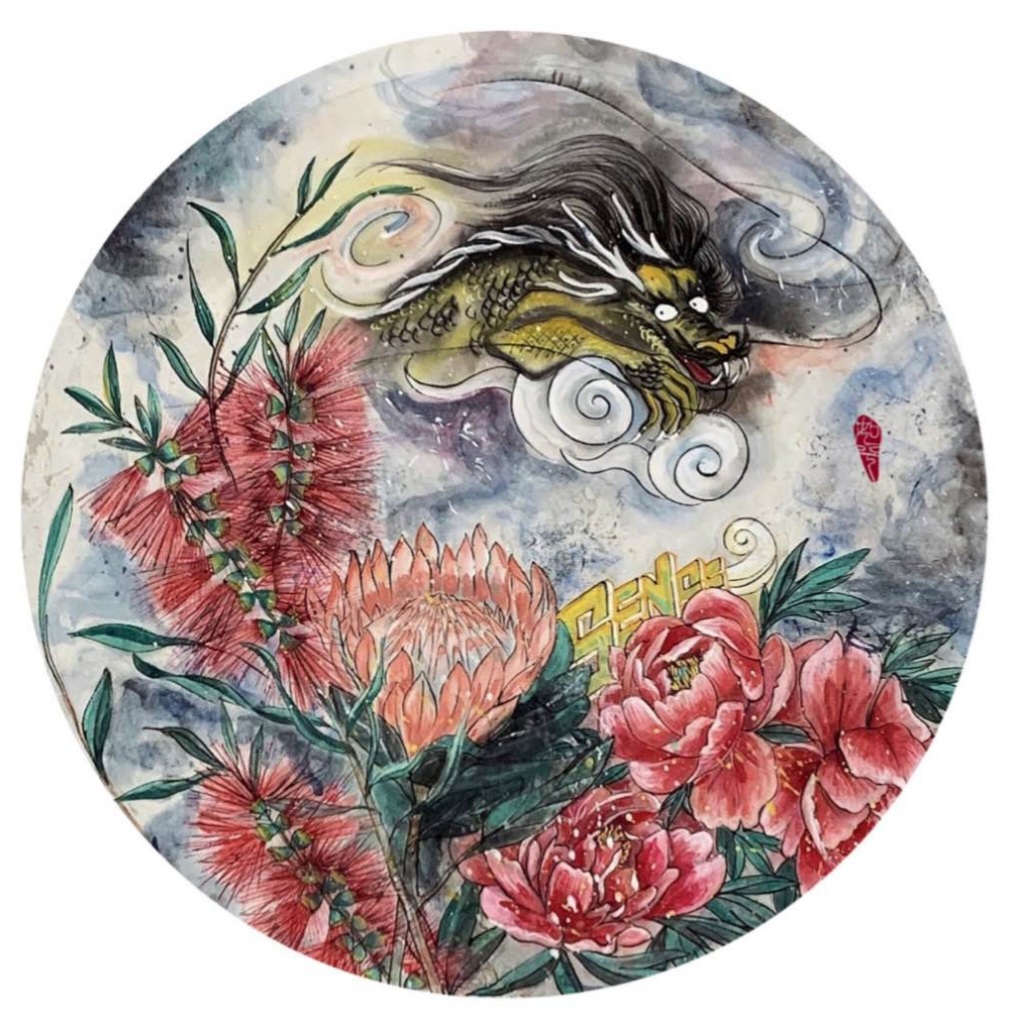
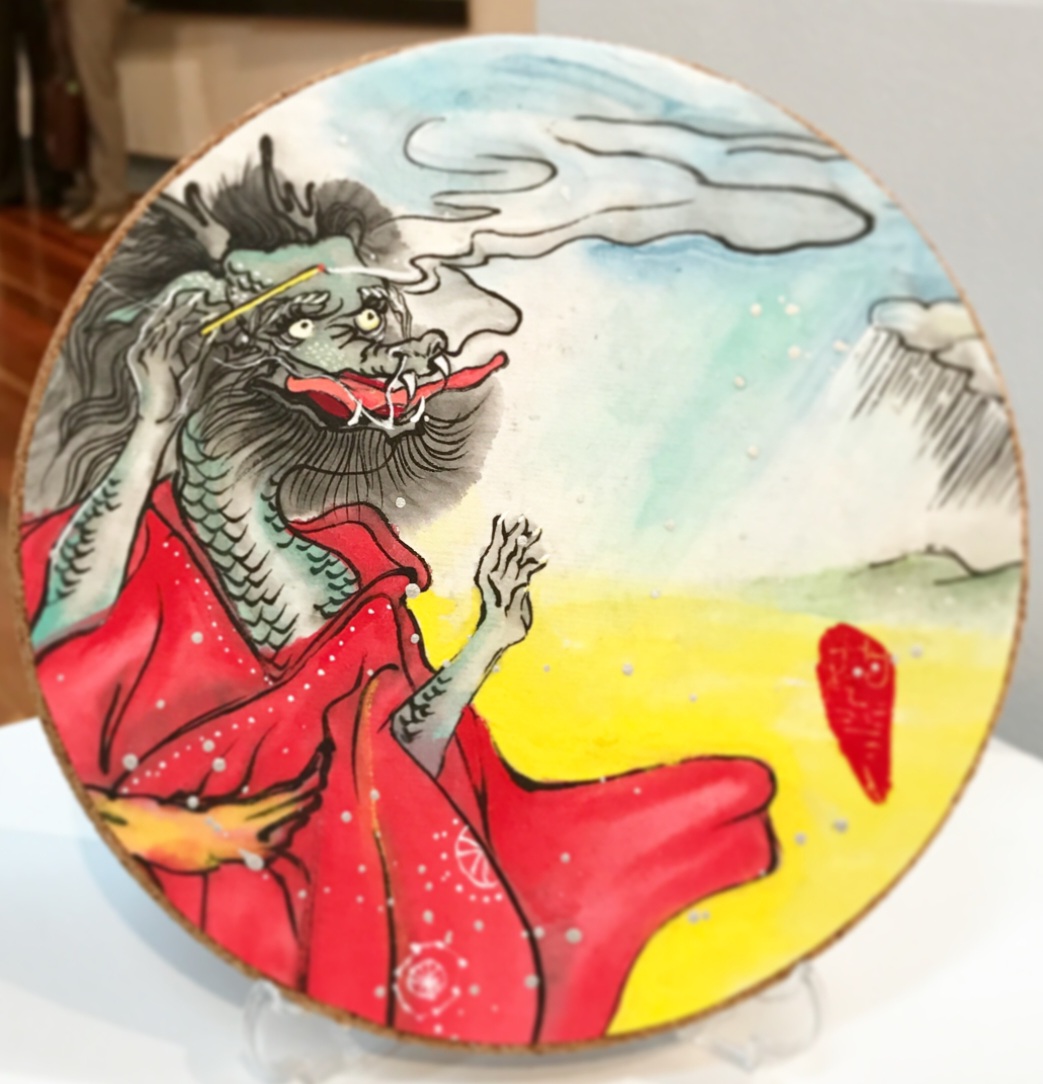
Lucy Wang, also known by her art name Ru Xi (如兮), is an Australian-Chinese contemporary artist. Traditionally trained in the oriental arts and raised in the suburbs of Sydney, Lucy was able to cultivate the old-style mediums to render a distinct aesthetic that portrays her rich cultural identity. Lucy is an Associate Fellow and sessional design lecturer at Western Sydney University. Lucy is the Winner of Art Battle 2020 and her artworks are commissioned by NSW Registry of Births, Deaths and Marriages and many major luxury brands.
https://www.ruxi-w.com/double-happiness-marriage-certificate
https://www.instagram.com/ruxi_w/?hl=en
Dragon Dance
Dragon dance (舞龍) is often performed during the Chinese New Year. The dance is performed by a team of experienced dancers who manipulate a long flexible giant puppet of a dragon using poles positioned at regular intervals along the length of the dragon. It is believed dragon dance can bring good luck to people.

Dragon boat
Dragon boat racing takes place on the 5th Day of the 5th lunar month, the Duanwu Festival (端午節). The dragon boats are long and narrow, with prows painted like a dragon’s head. Noisy gongs and drums set the pace for the rowers. It is believed that dragon boat racing can ward off evil spirits and illness and it can also bring good luck. Duanwu Festival also commemorates the death of the poet and minister Qu Yuan (屈原) (c340-278 BCE) of the ancient state of Chu (楚) during the Warring States (戰國) period.

Acknowledgements
I would like to thank Miss Lucy Wang for allowing me to use the images of her dragon paintings.
Bibliography
中国剪纸 Paper Cut in China 十二生肖 The twelve symbol animals 漢坤東方出品
Bjaaland Welch, Patricia (2008) Chinese Art- A guide to Motifs and Visual Imagery Tuttle Publishing ISBN: 978-08048-3864-1
https://en.wikipedia.org/wiki/Chinese_zodiac
https://www.chinahighlights.com/travelguide/chinese-zodiac/dragon.htm
https://en.wikipedia.org/wiki/Old_Summer_Palace_bronze_heads
https://www.dpm.org.cn/explore/building/236477.html
https://en.m.wikipedia.org/wiki/Dragon_Throne
 Patrick Siu Chinese Calligraphy & Landscape Painting 蕭燿漢談書畫