Emperor Taizong (598-649) (唐太宗) of the Tang Dynasty liked the calligraphy of Wang Xizhi (王羲之) very much and took possession of the original ‘Lanting Preface’ (蘭亭序真蹟). Taizong ordered his officer Feng Chengsu (馮承素) to make replica copy by tracing. This copy survived up to present and is now kept in The Palace Museum (北京故宮的博物館).

The beginning of the scroll has the left-handed side of a red seal engraved with 2 characters ‘神龍’ (Shenlong).
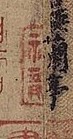
Shenlong was one of the reign periods of Tang Zhongzong Li Xian (唐中宗李顯)(656-710). The replica copy of Feng Chengsu is known as Shenlong ban yin ben (神龍半印本). The copy was also engraved on stone and a few ink rubbings survived to present.
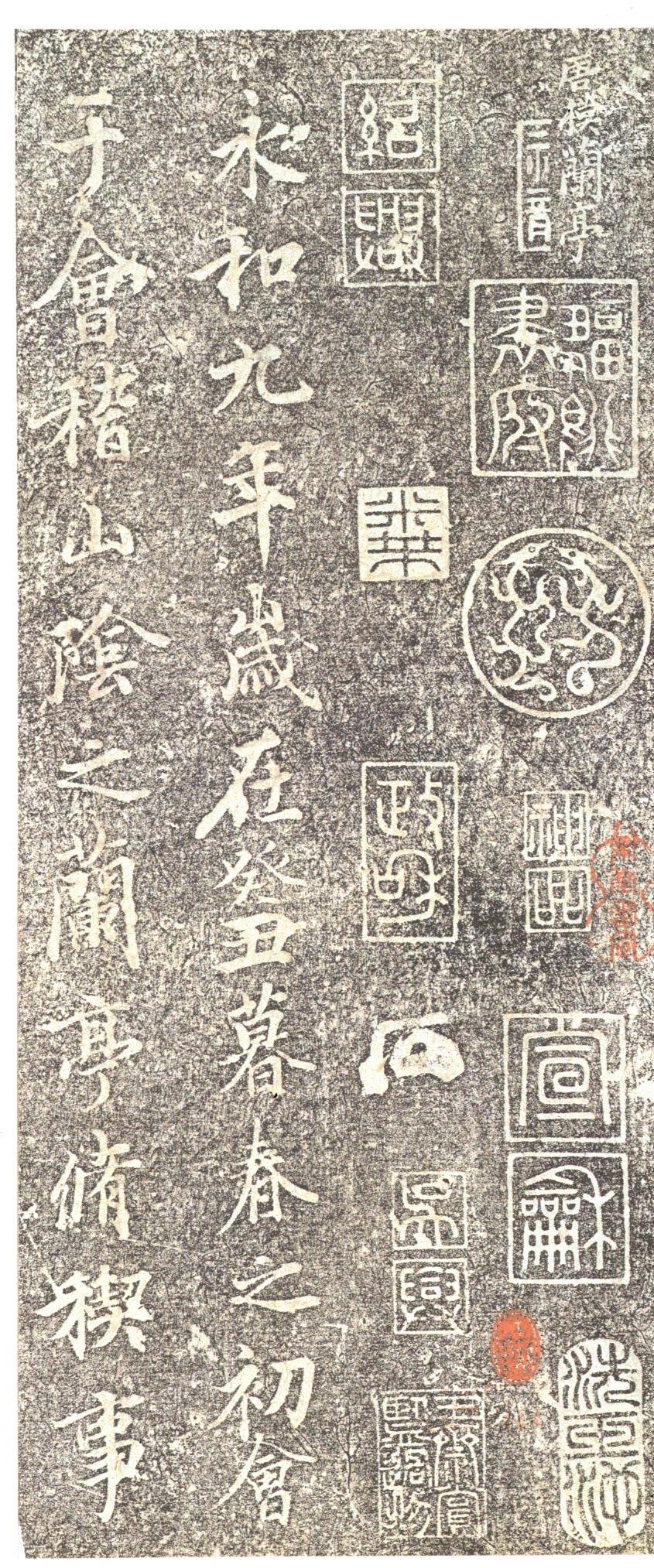
Emperor Taizong also ordered his officers such as Yu Shinan (虞世南), Ouyang Xun (歐陽詢), Chu Suiliang (褚遂良) to copy Lanting Xu. Both copies of Yu Shinan and Chu Suiliang still survived up to present and are kept in The Palace Museum (北京故宮的博物館). The original copy of Ouyang Xun (歐陽詢) no long exists.
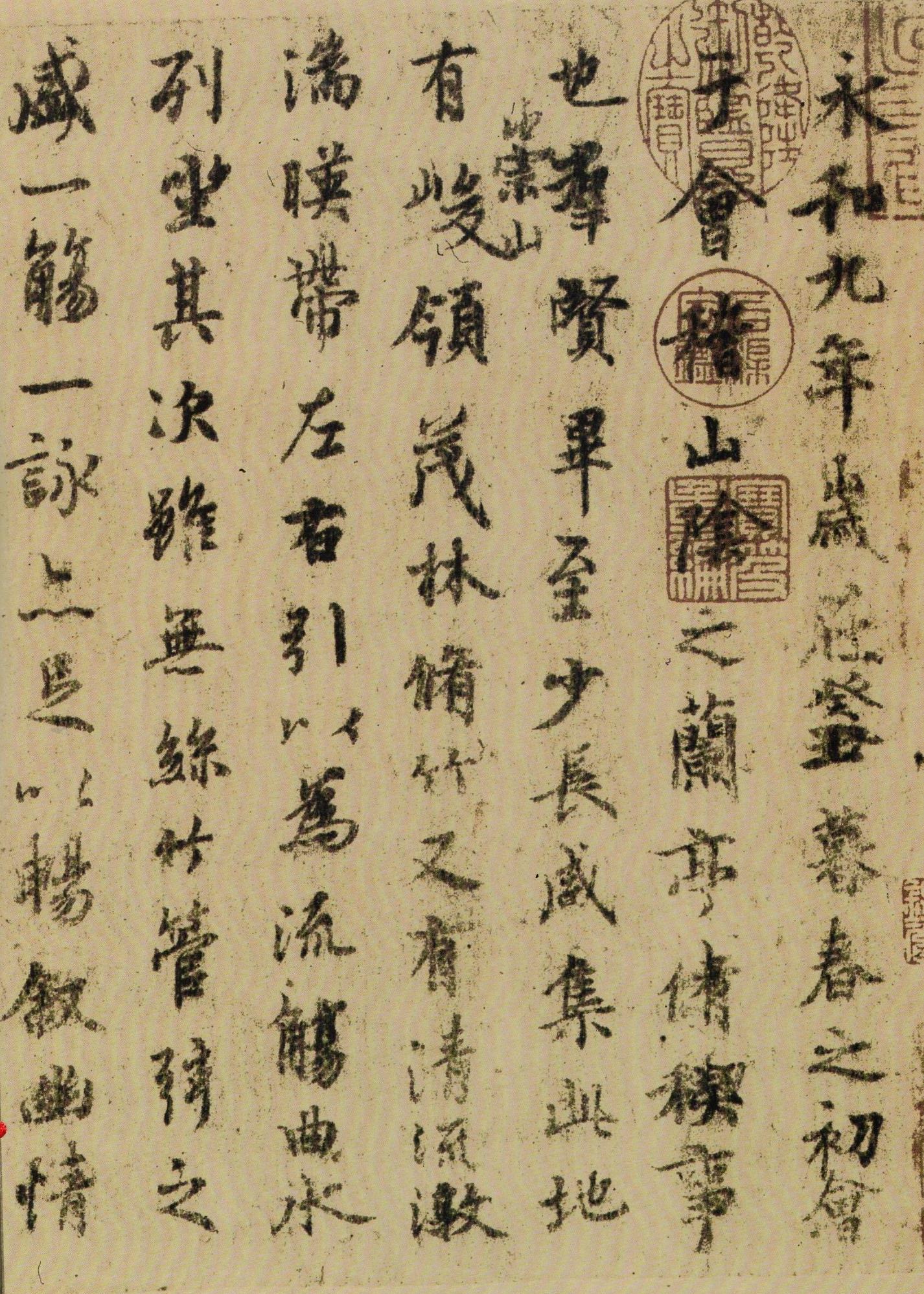
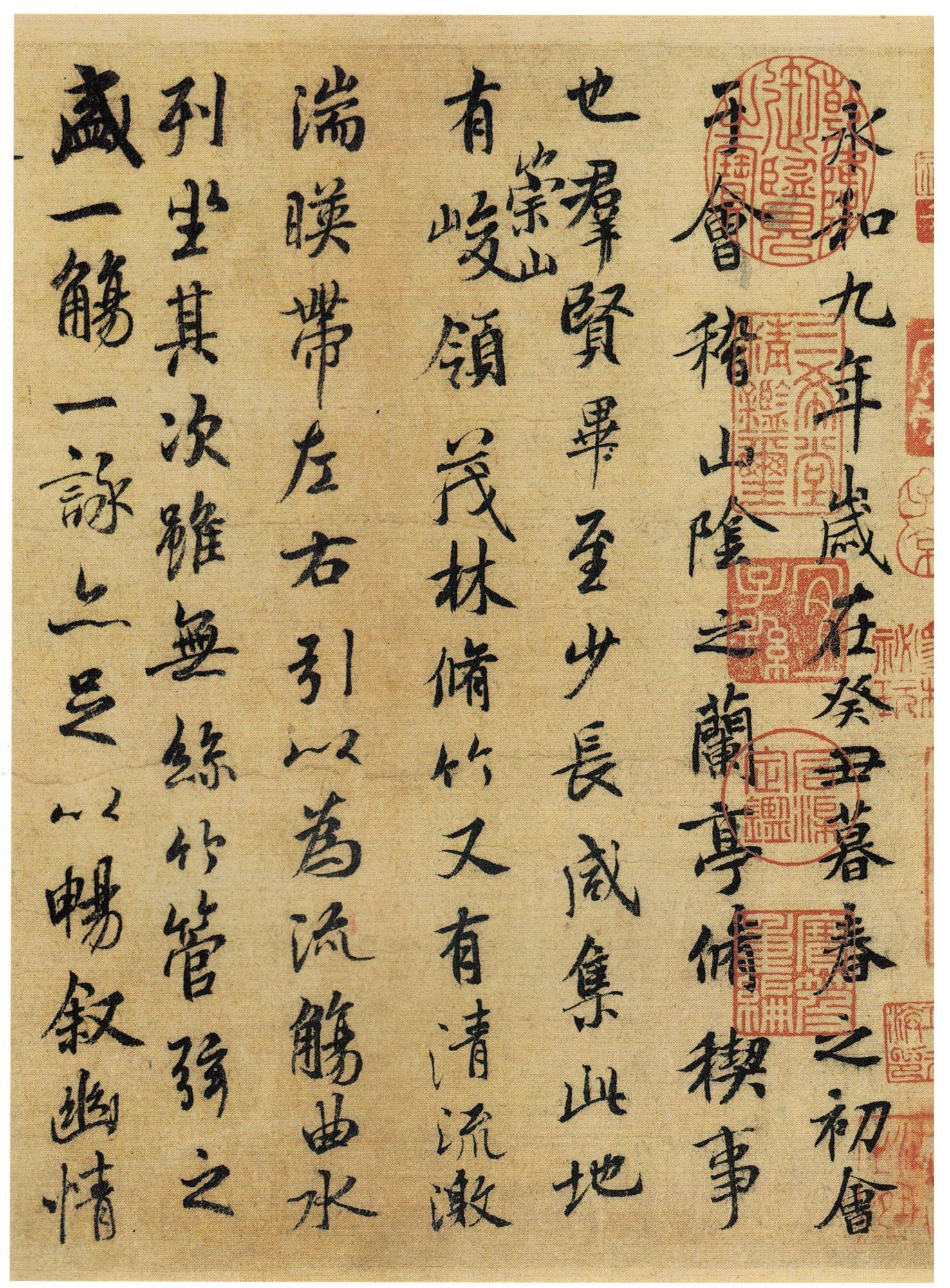
Please click the following page for a comparison study of Yu Shinan (虞世南), Chu Suiliang (褚遂良), Feng Chengsu (馮承素) and Dingwu ben (定武本).
Emperor Taizong ordered his officers to engrave the characters onto stone and make ink rubbings in the Academy (學士院). Ink-rubbings of Lanting Xu were distributed to his favourite officers as precious gifts for their appreciation.
During the Liang (梁) Dynasty (903-927) of the Five Dynasties (五代), the stone was moved to Biandu (汴都) but they were later lost during the tumultuous periods of the Five Dynasty. The stone was discovered during the Qingli (慶歷) period (1041-1048) of Emperor Renzong (宋仁宗) of Northern Song (北宋) Dynasty and placed in Dingzhou Prefecture (定州州治). Huizong (徽宗) (reign 1100-1126) ordered the stone to be taken and placed in the Xuanhe Hall (宣和殿). After the fall of the Northern Song Dynasty, the stone was lost. Copies of the ink-rubbing survived and treasured by connoisseurs and scholars. Dingzhou (定州) belonged to the Dingwu Army (定武軍) in the Song Dynasty, so this stone carving and its rubbings were called ‘Dingwu Lanting’(定武蘭亭) or ‘Dingwu Stone Carving’ (定武石刻).
Engraving the characters onto a stone and doing ink rubbing was the only way at the time to enable the image of the writing to be shared among people. There was no photography or photocopier in ancient times!
It is believed that Dingwu ben (定武本) of Lantang Xu (蘭亭序) was based on the copy made by Ouyáng Xún (歐陽詢).
The following comparison is about Feng Chengsu’s Shenlong ban yin ben (神龍半印本) and two versions of Dingwu ben (定武本) of Lantang Xu (蘭亭序). There are many versions of Dingwu ben (定武本) and it is difficult to tell which version is authentic.
Comparison of the Feng Chengsu’s Shenlong ban yin ben (神龍半印本) and two versions of Dingwu ben (定武本) column by column.
Shenlong ban yin ben (神龍半印本) is on the right hand column, whereas the two versions of Dingwu ben (定武本) are in the middle column and left column.
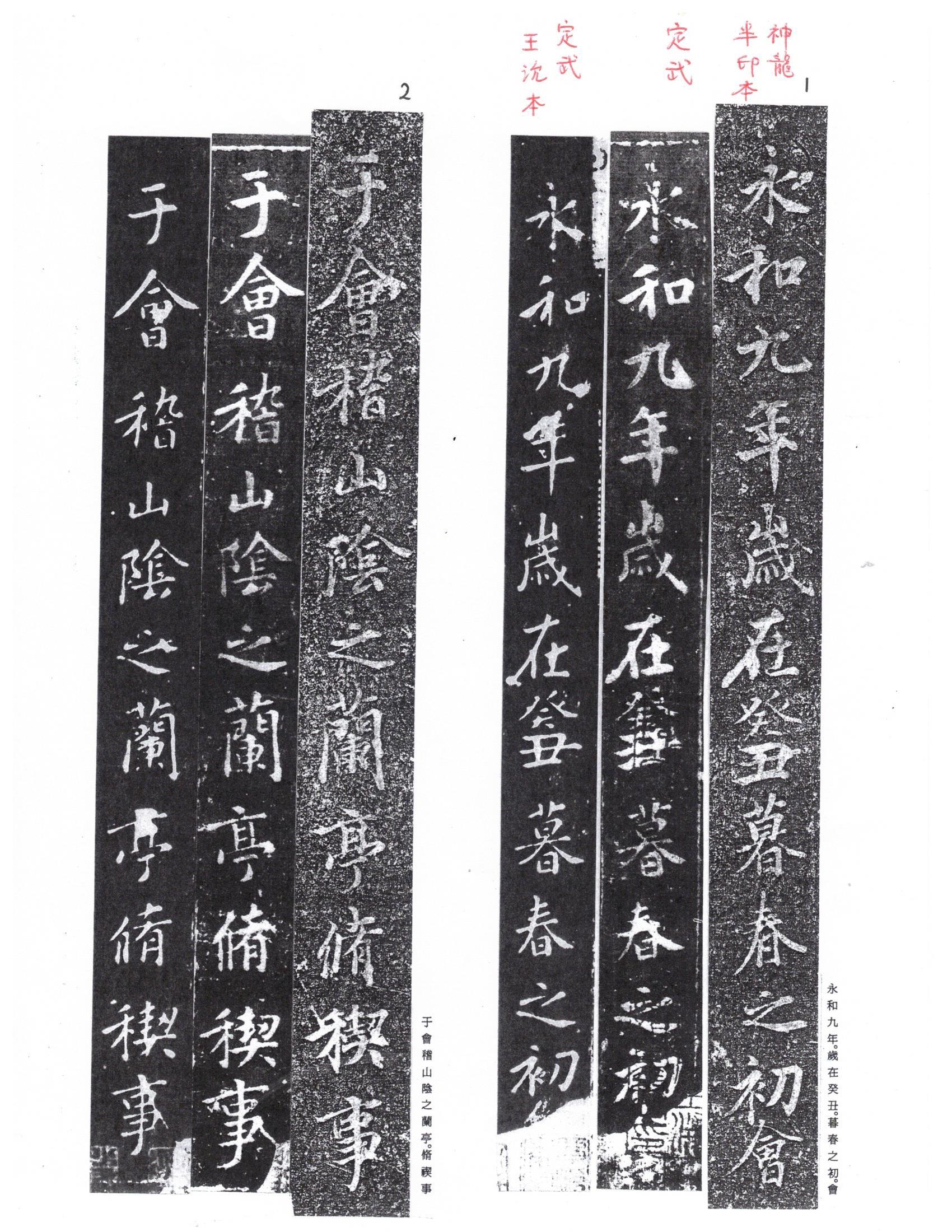
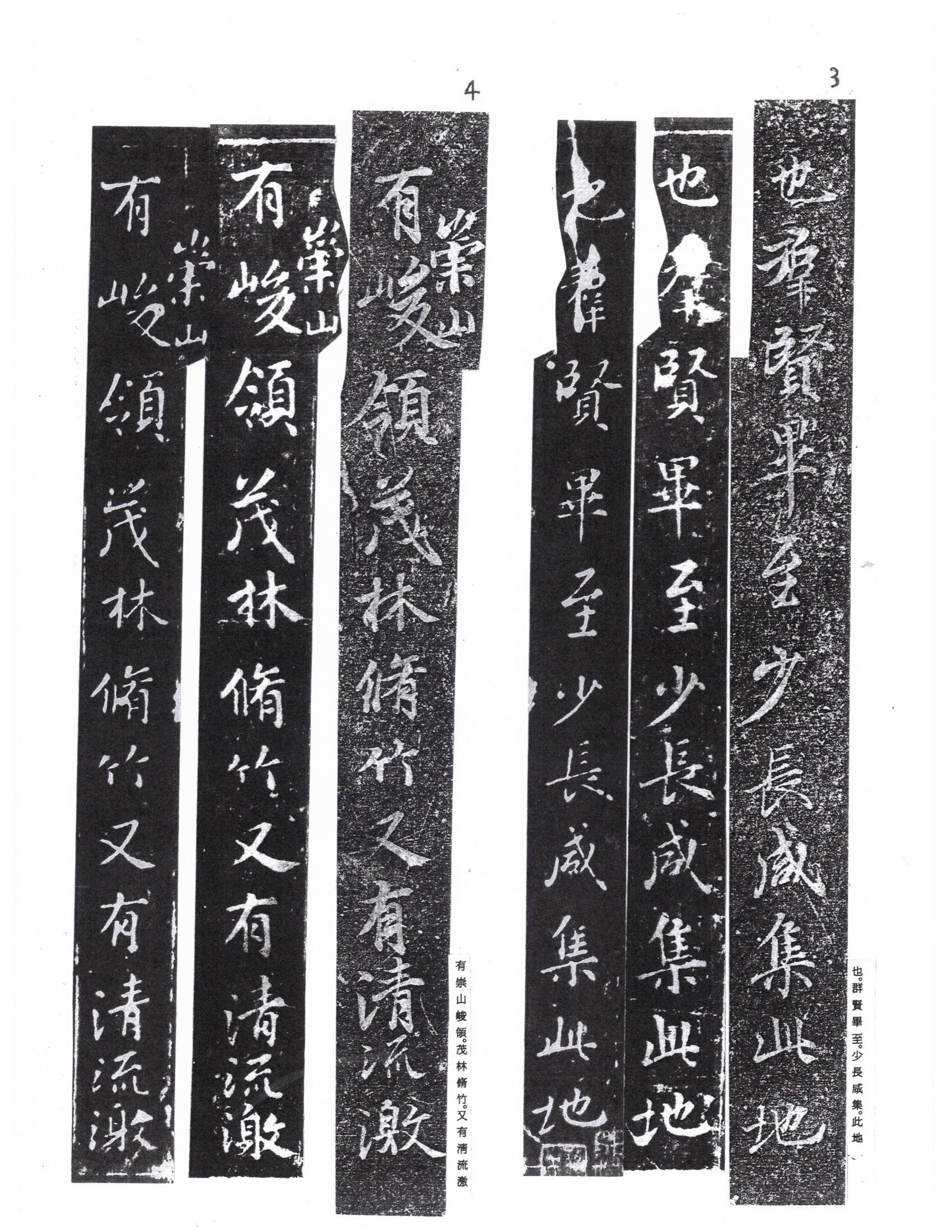
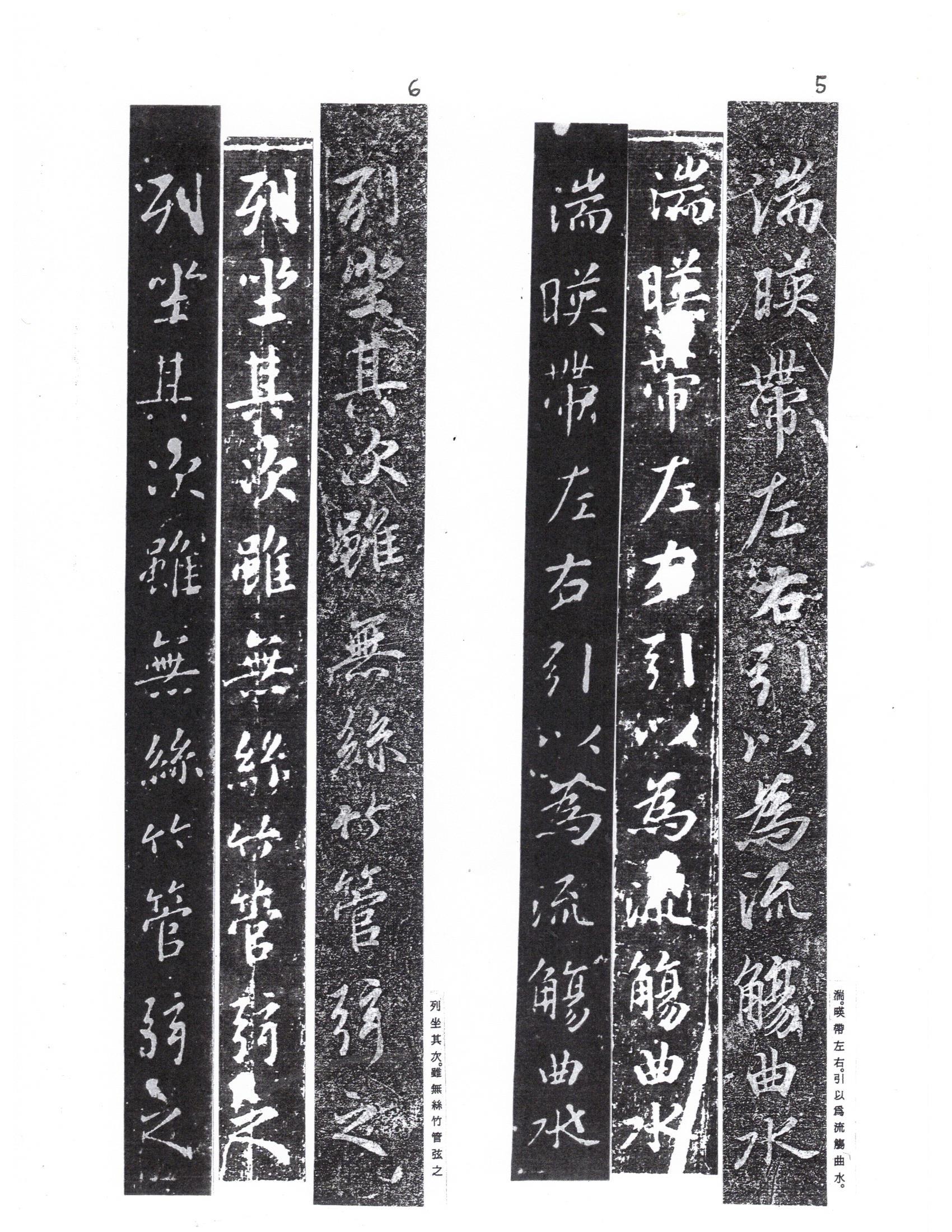
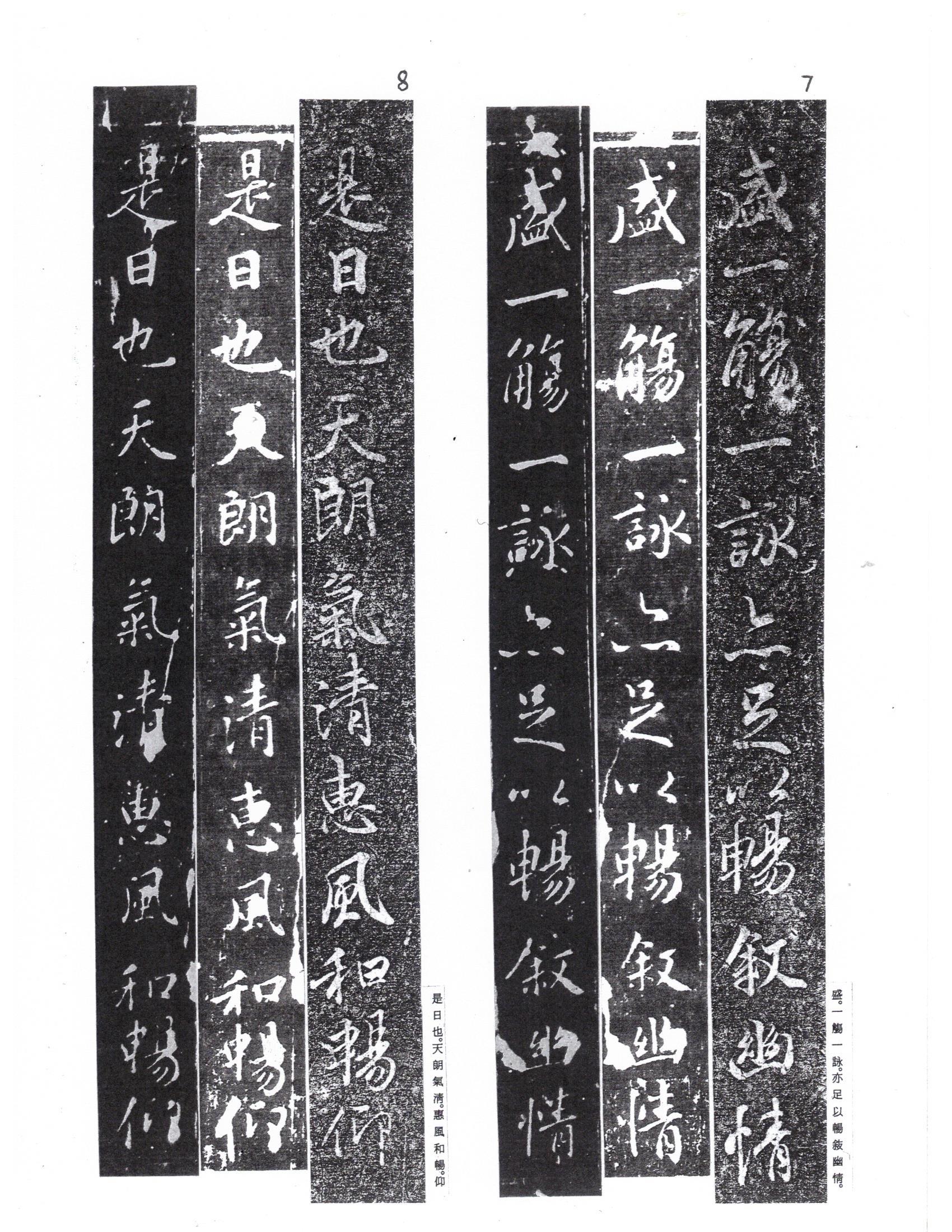
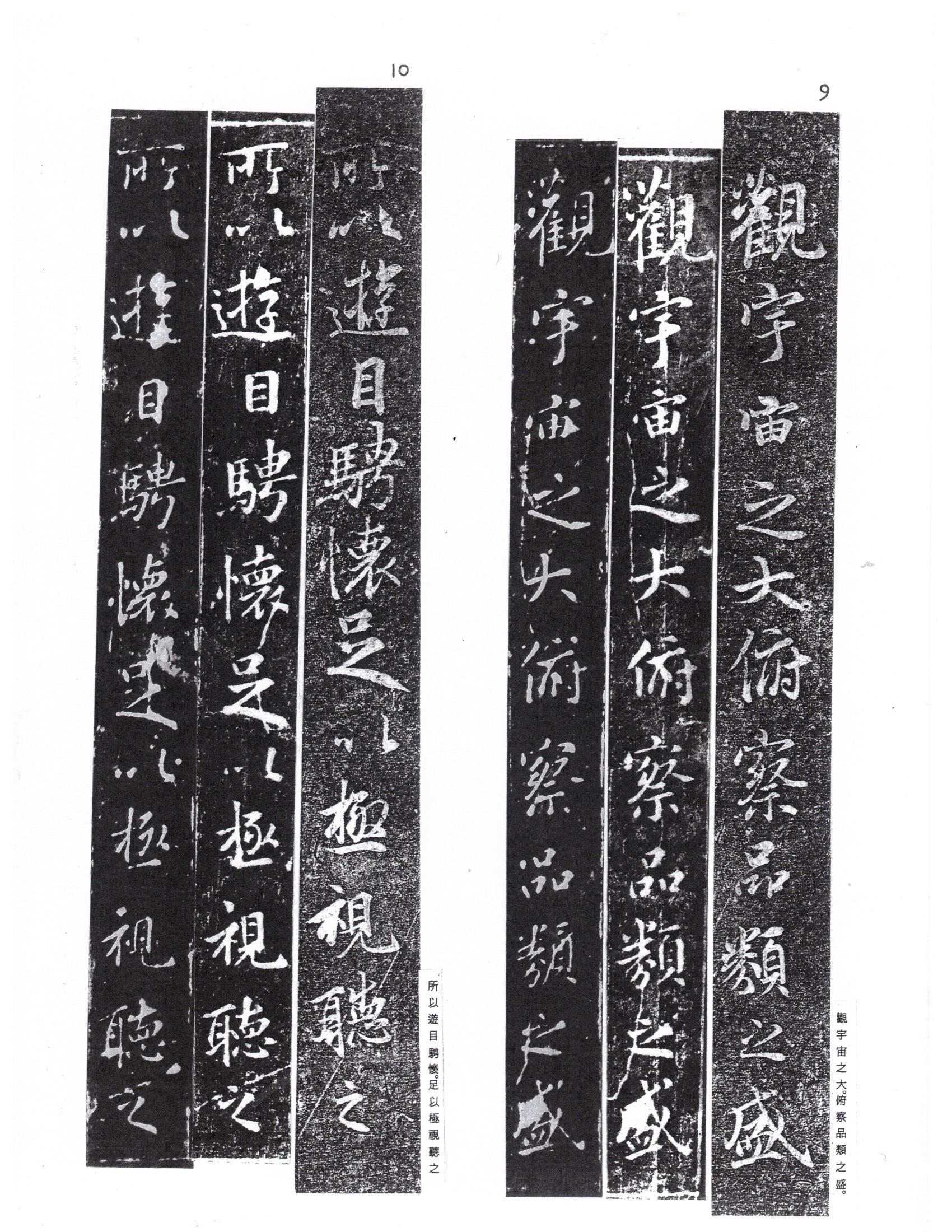
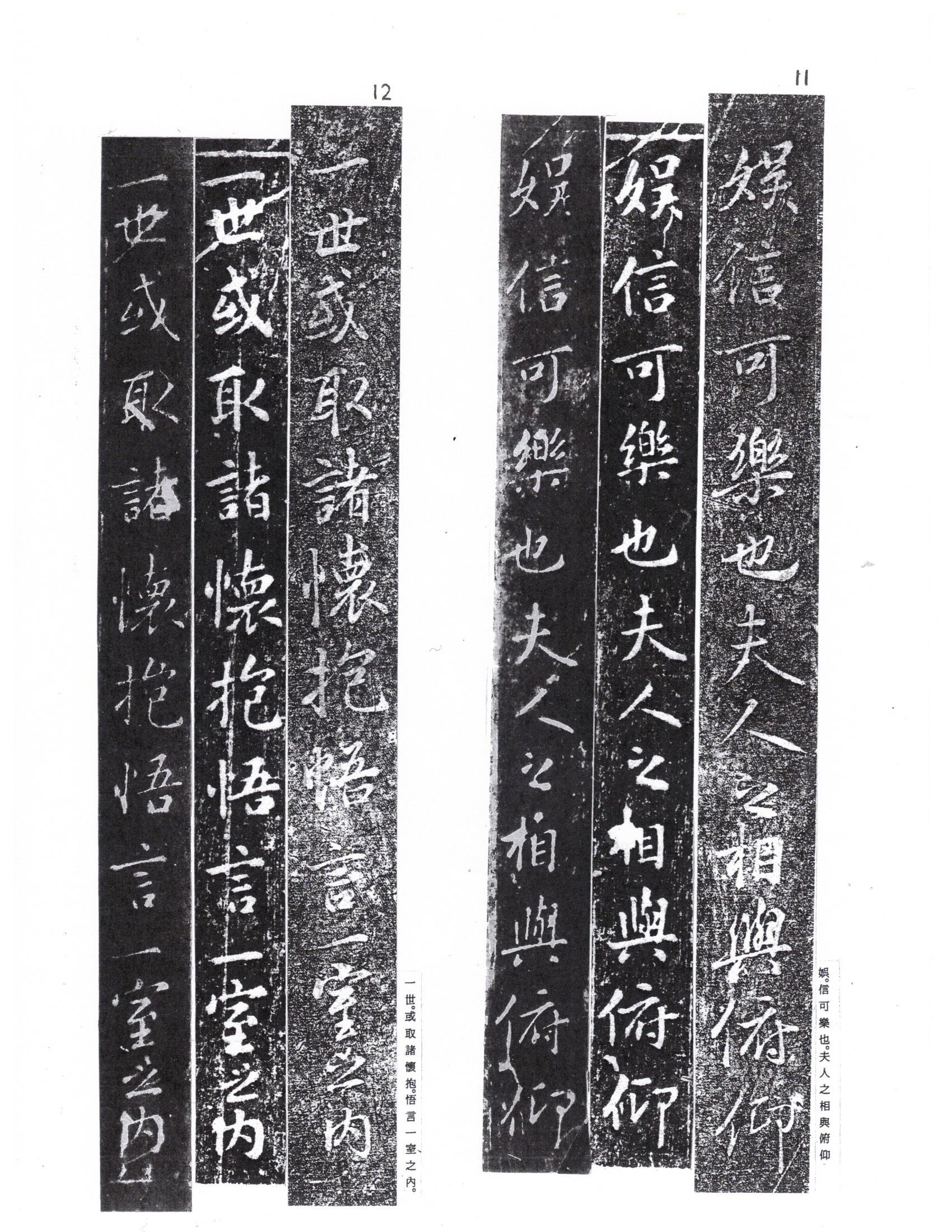
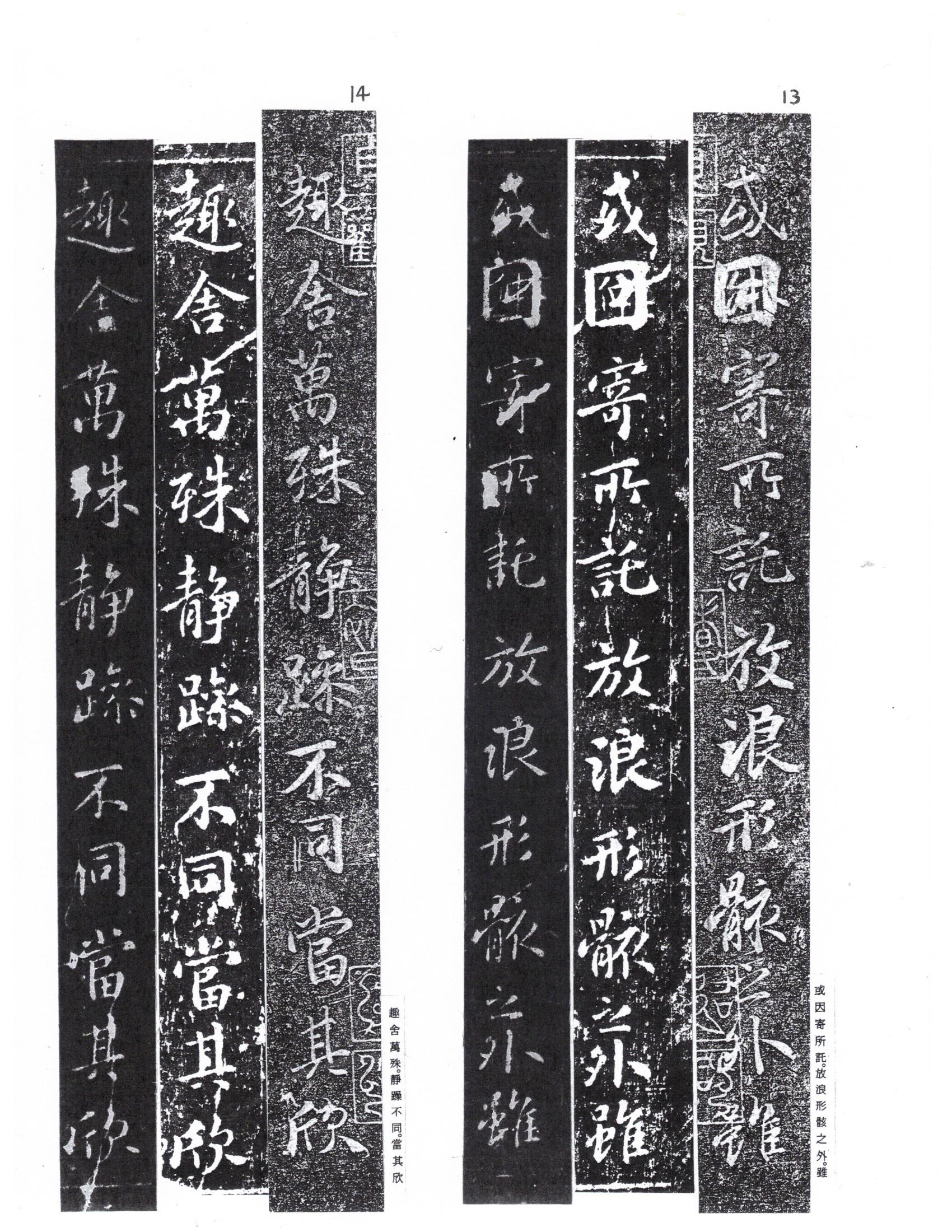
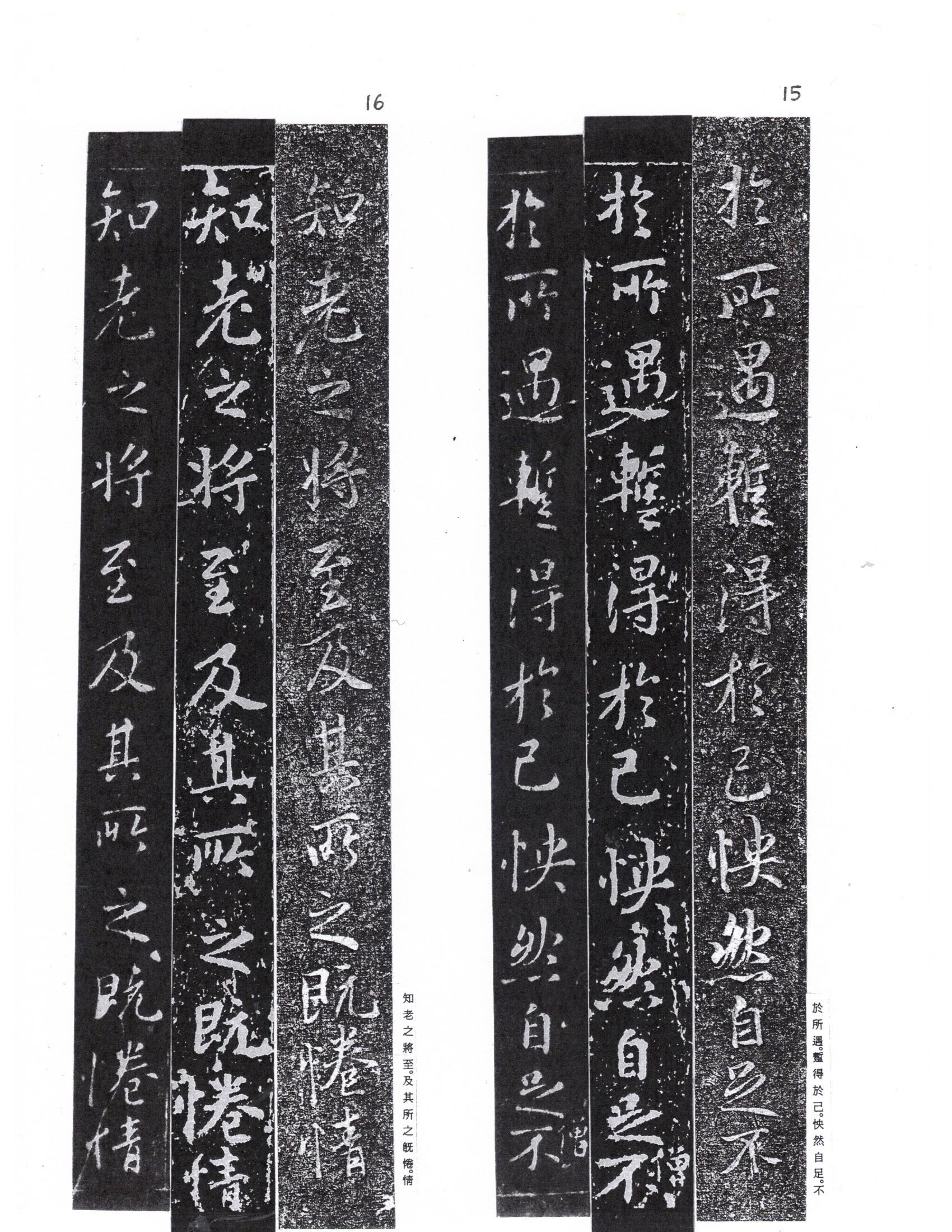
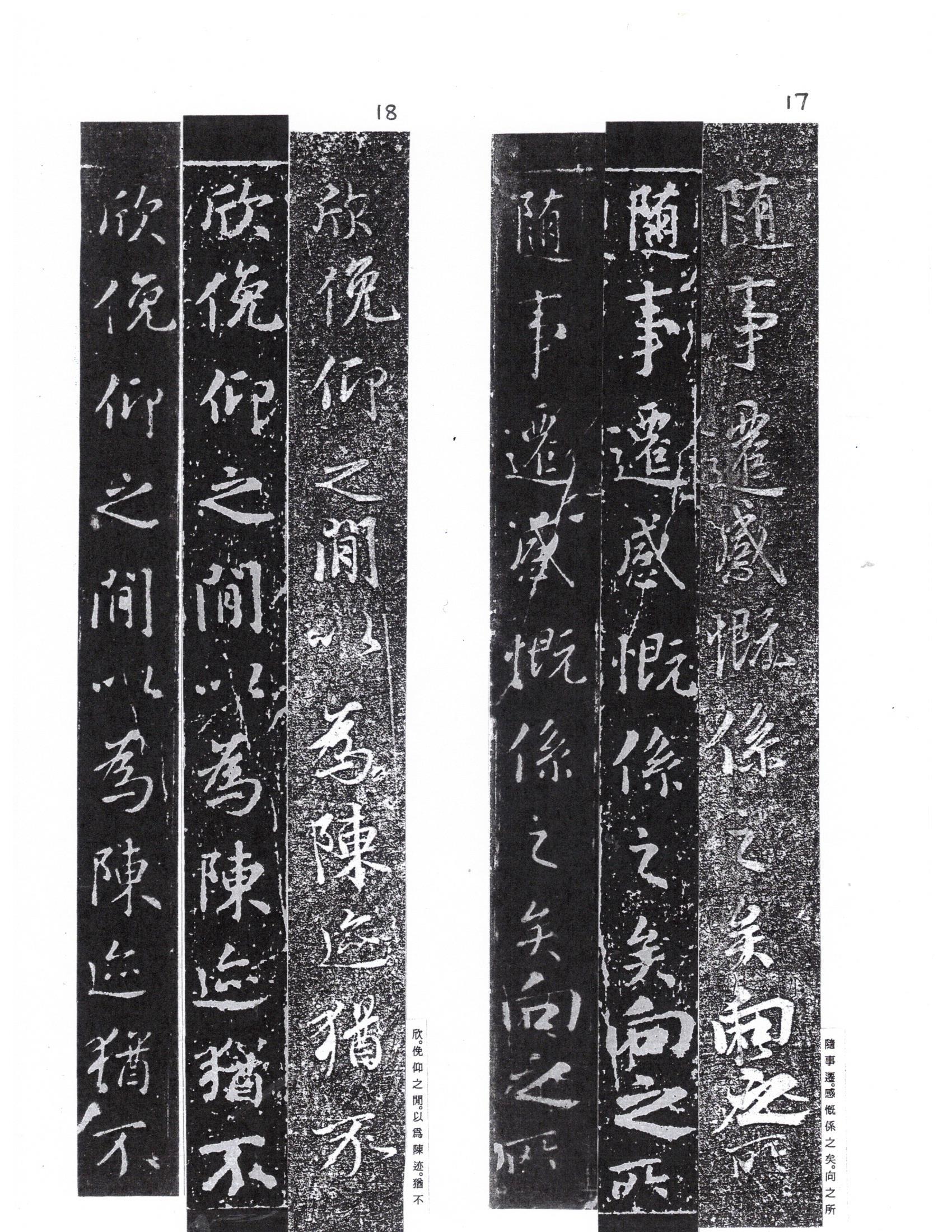
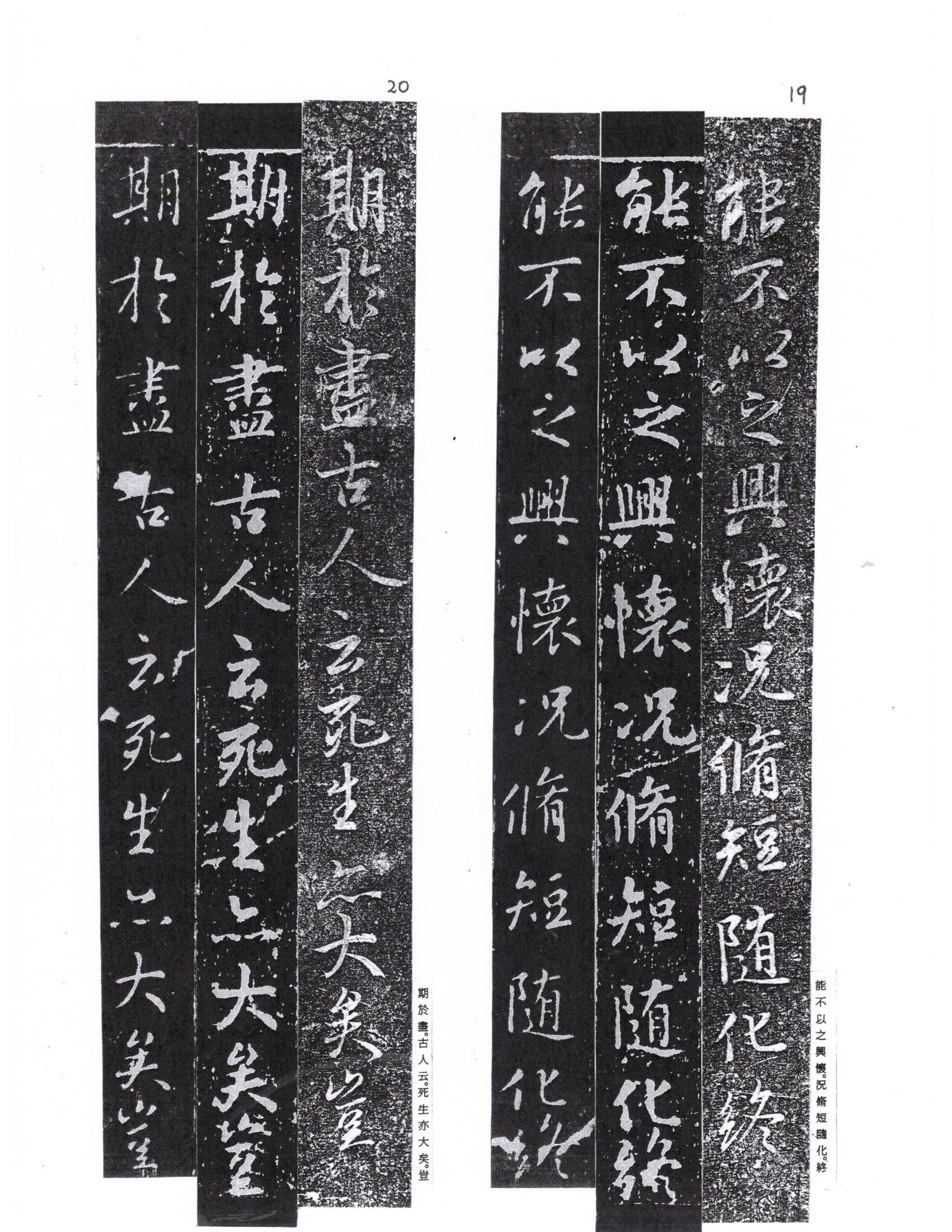

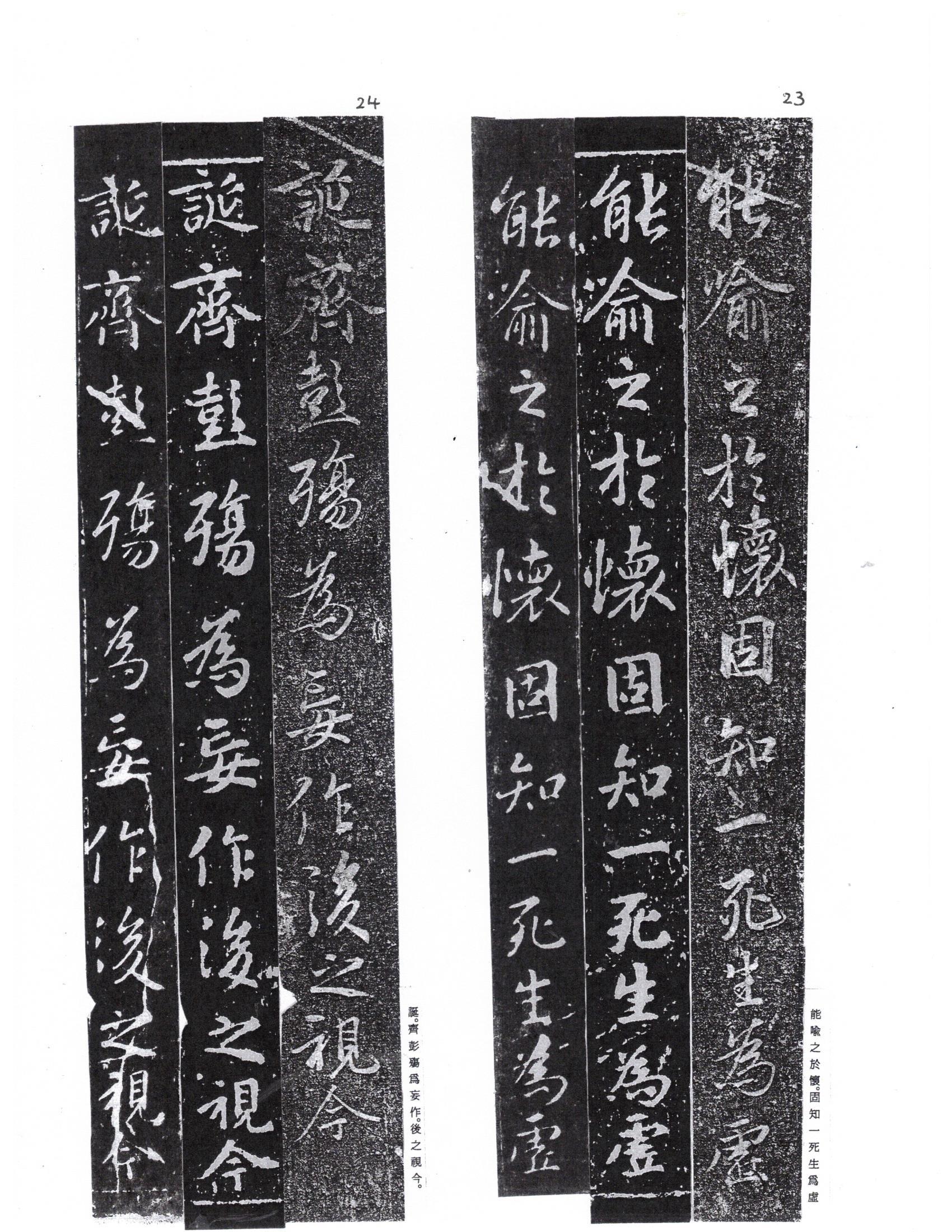
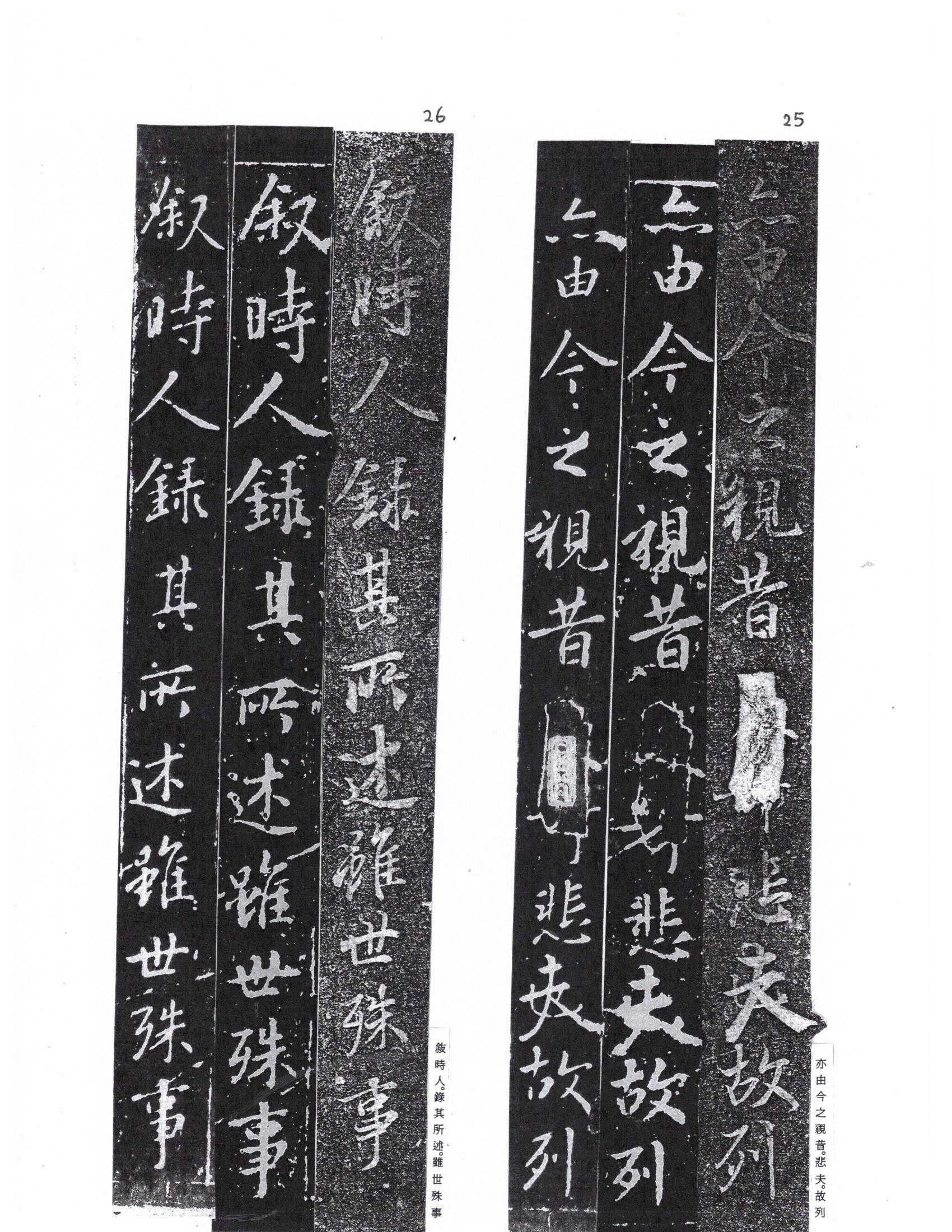
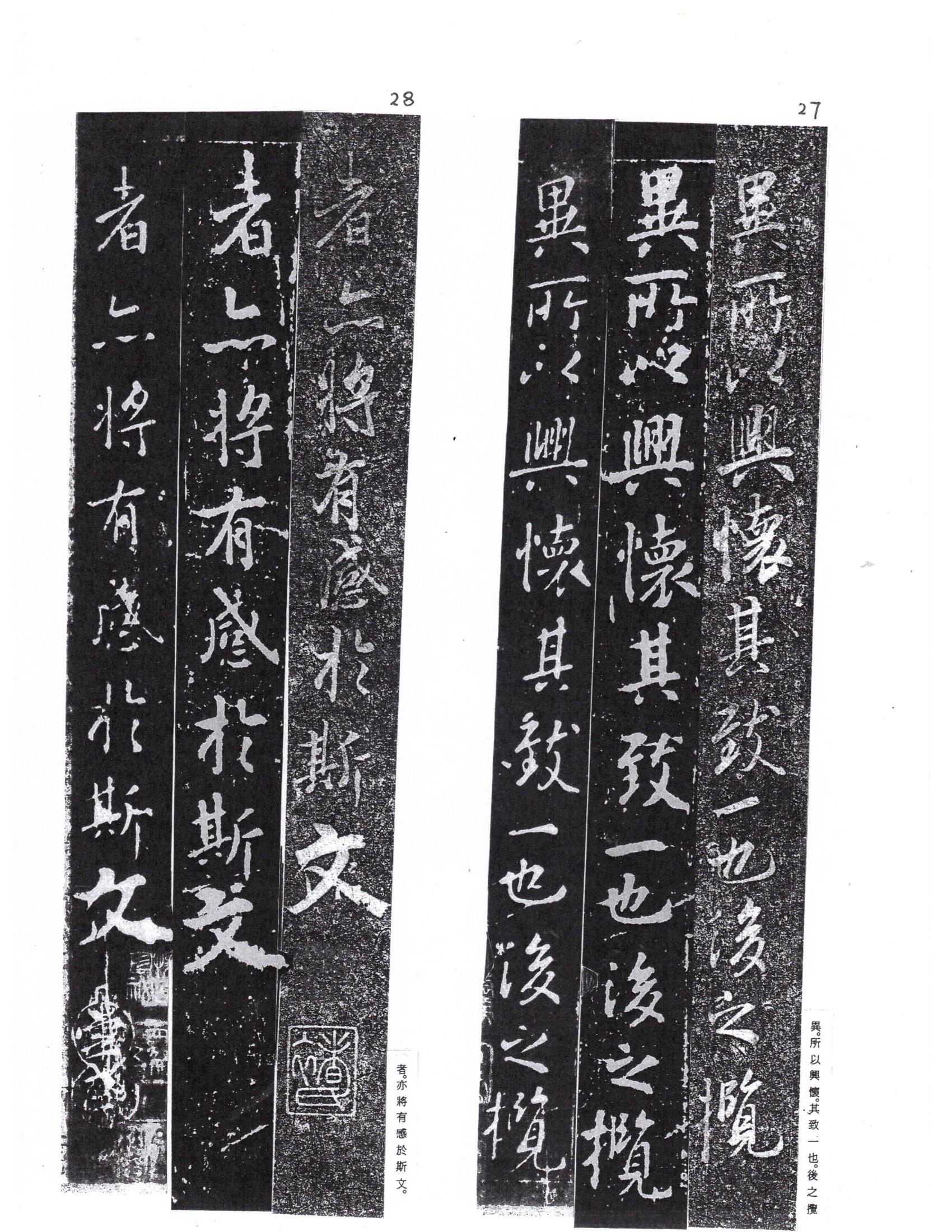
Many calligraphers think that Dingwu ben (定武本) is more unpretentious compared with Shenlong ban yin ben (神龍半印本). People may have different preference.
Acknowledgments
Patrick would like to thanks his students / friends at Chinese Cultural Centre, Chatswood, Sydney for their kind support and encouragement.
Bibliography
https://zh.wikipedia.org/wiki/%E8%98%AD%E4%BA%AD%E9%9B%86%E5%BA%8F
https://theme.npm.edu.tw/khan/Article.aspx?sNo=03009172&lang=2
https://www.souquee.com/news/63c4259b72410407e5798c52#google_vignette
 Patrick Siu Chinese Calligraphy & Landscape Painting 蕭燿漢談書畫