The original masterpiece of Lanting Xu (蘭亭序) was written by the ‘Sage of Calligraphy’, Wang Xizhi (王羲之) in 353 CE.
It is believed the original masterpiece was buried with Emperor Taizong (唐太宗)(598 – 649) of the Tang Dynasty, who treasured it so much he had it interred with him. While no original survives, many famous, high-quality copies and rubbings (like the Feng Chengsu’s (馮承素) version in the Palace Museum) preserving the masterpiece.
Zhi Yong (智永, c. 510–610 AD) the 7th-generation descendant of Wang Xizhi (王羲之) wrote Lanting Xu in cursive writing. Both Feng Chengsu and Zhi Yong followed the same format of the original Lanting Xu, the same number of vertical columns and the addition of the two small characters 崇山 next to the character 峻 between columns 3 and 4.
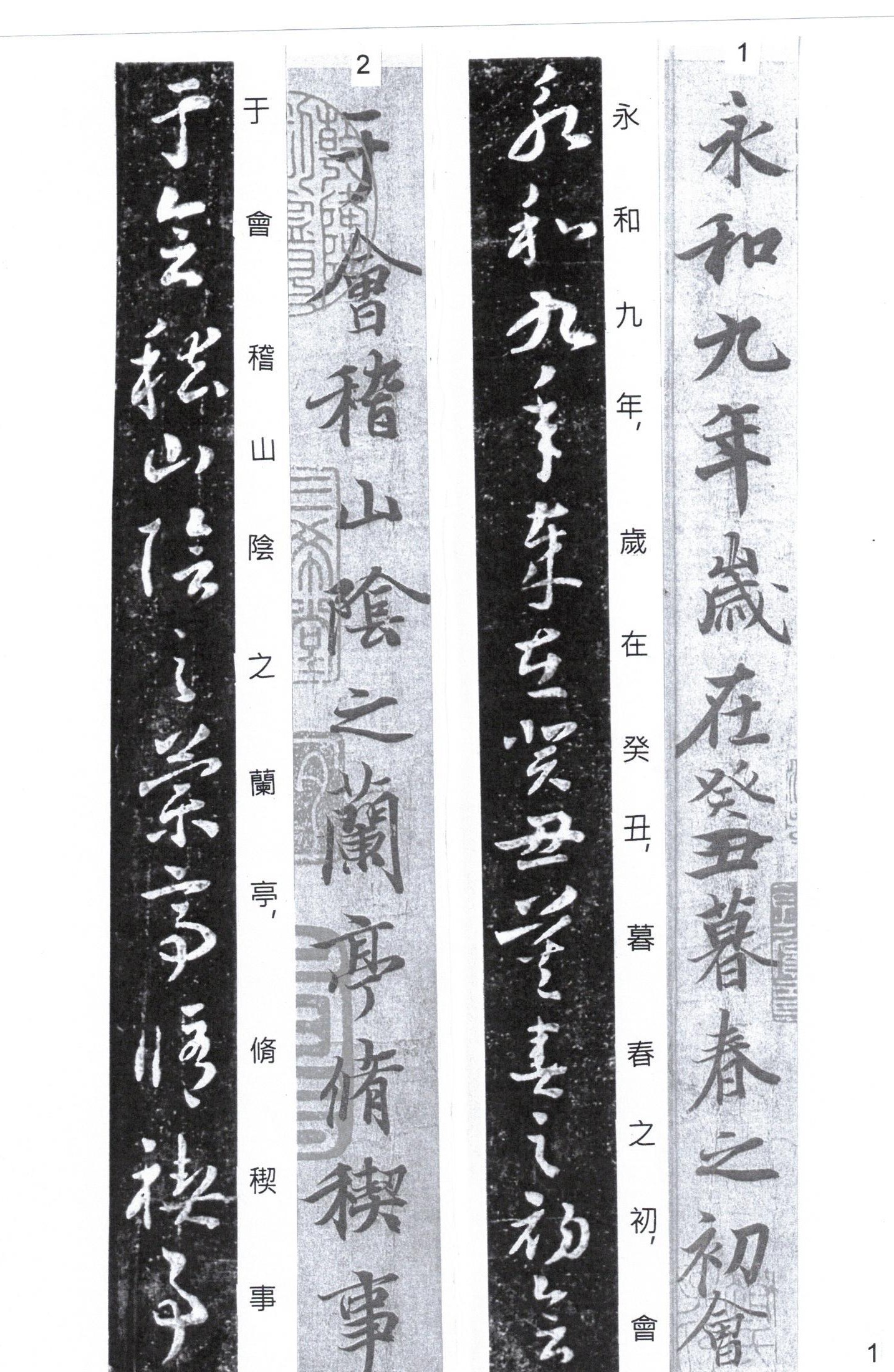
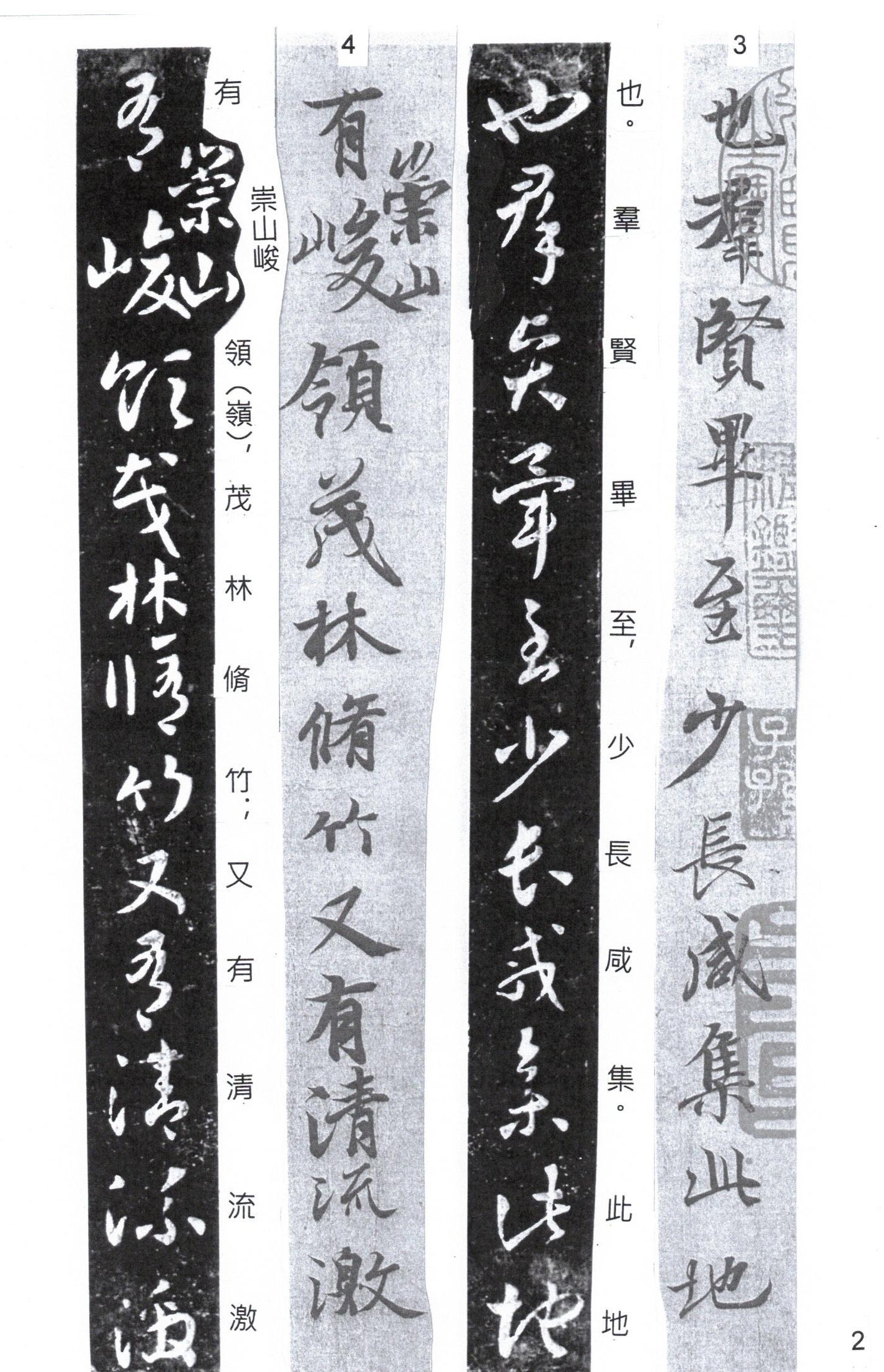
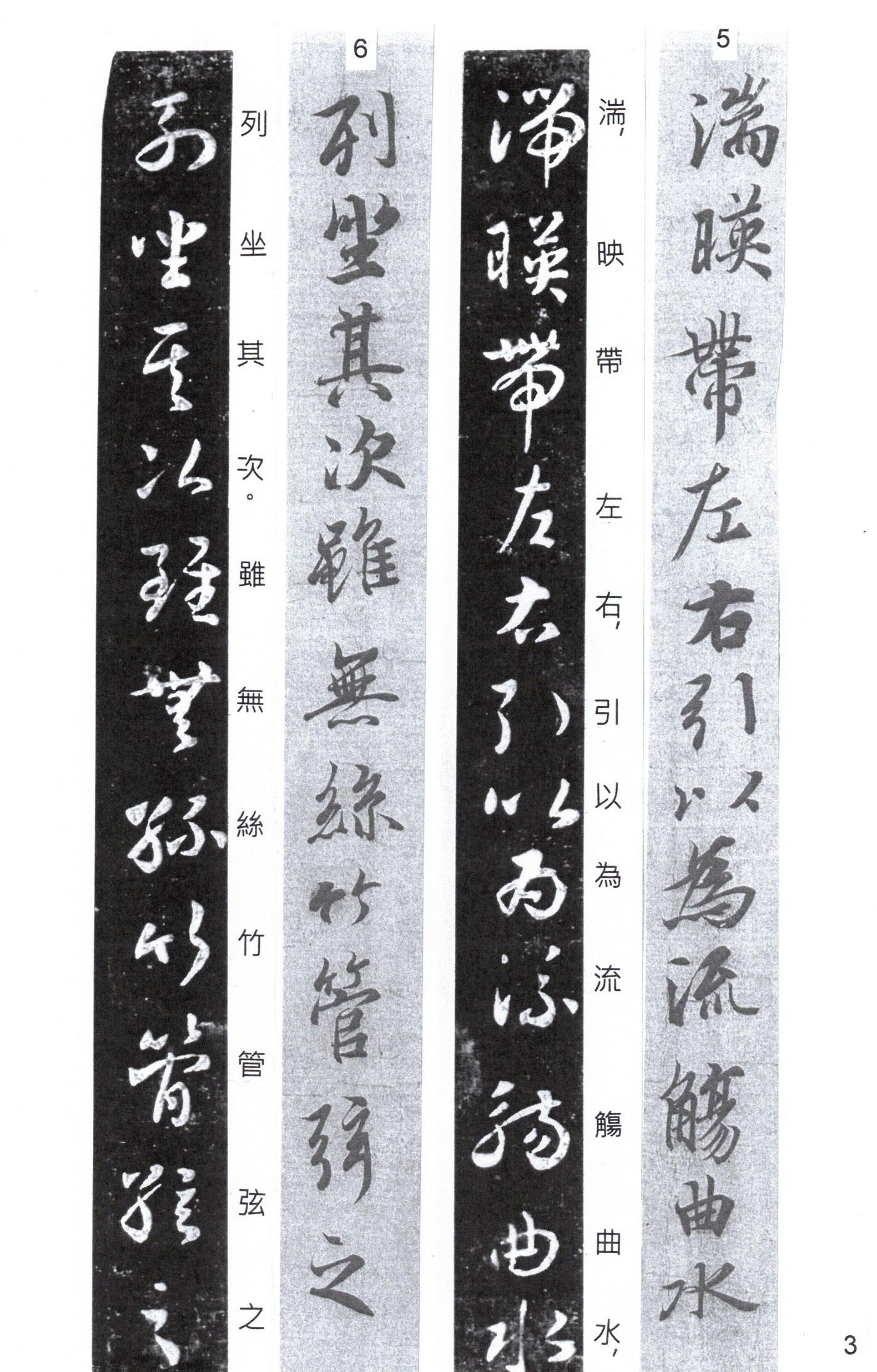
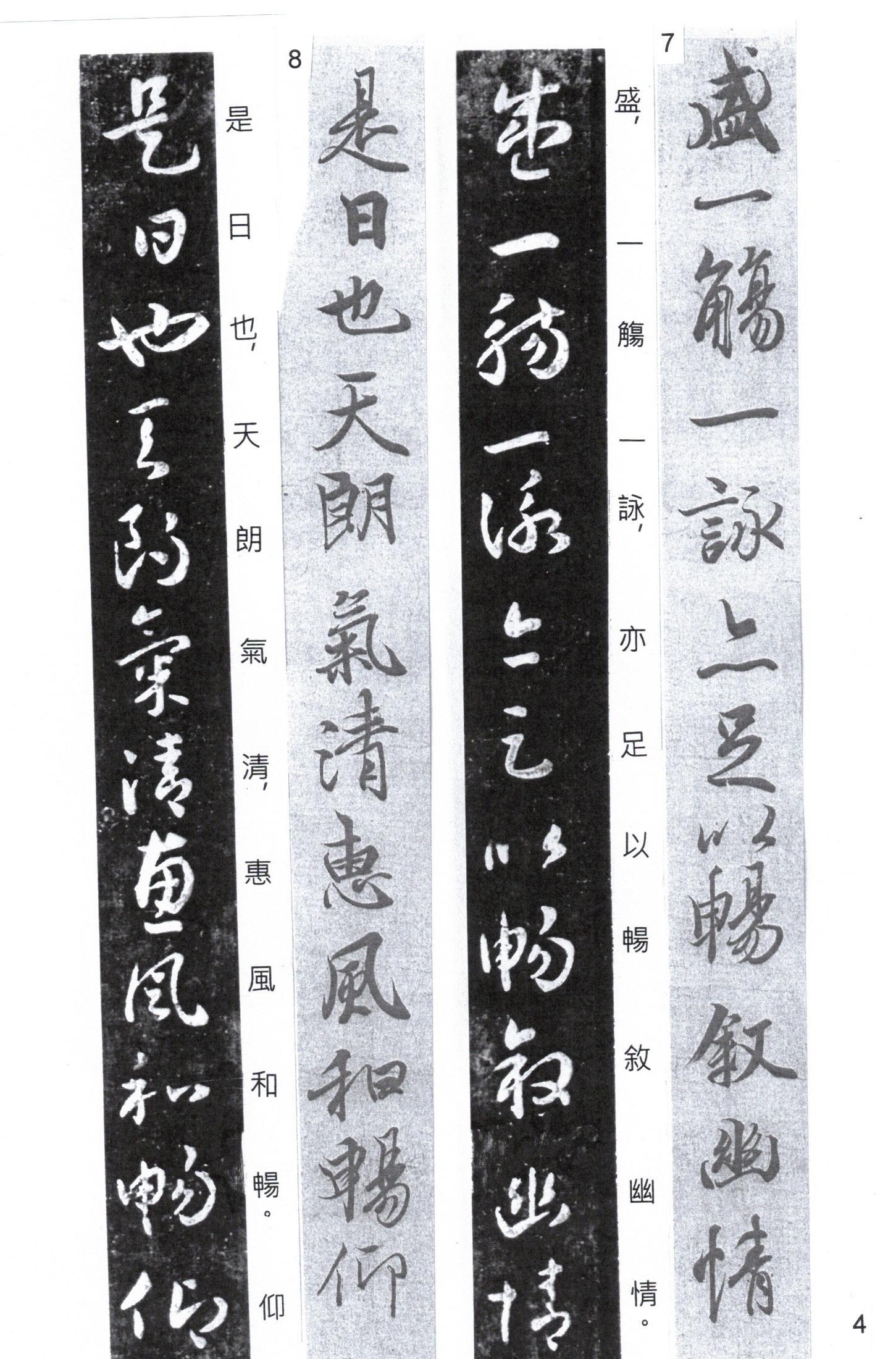
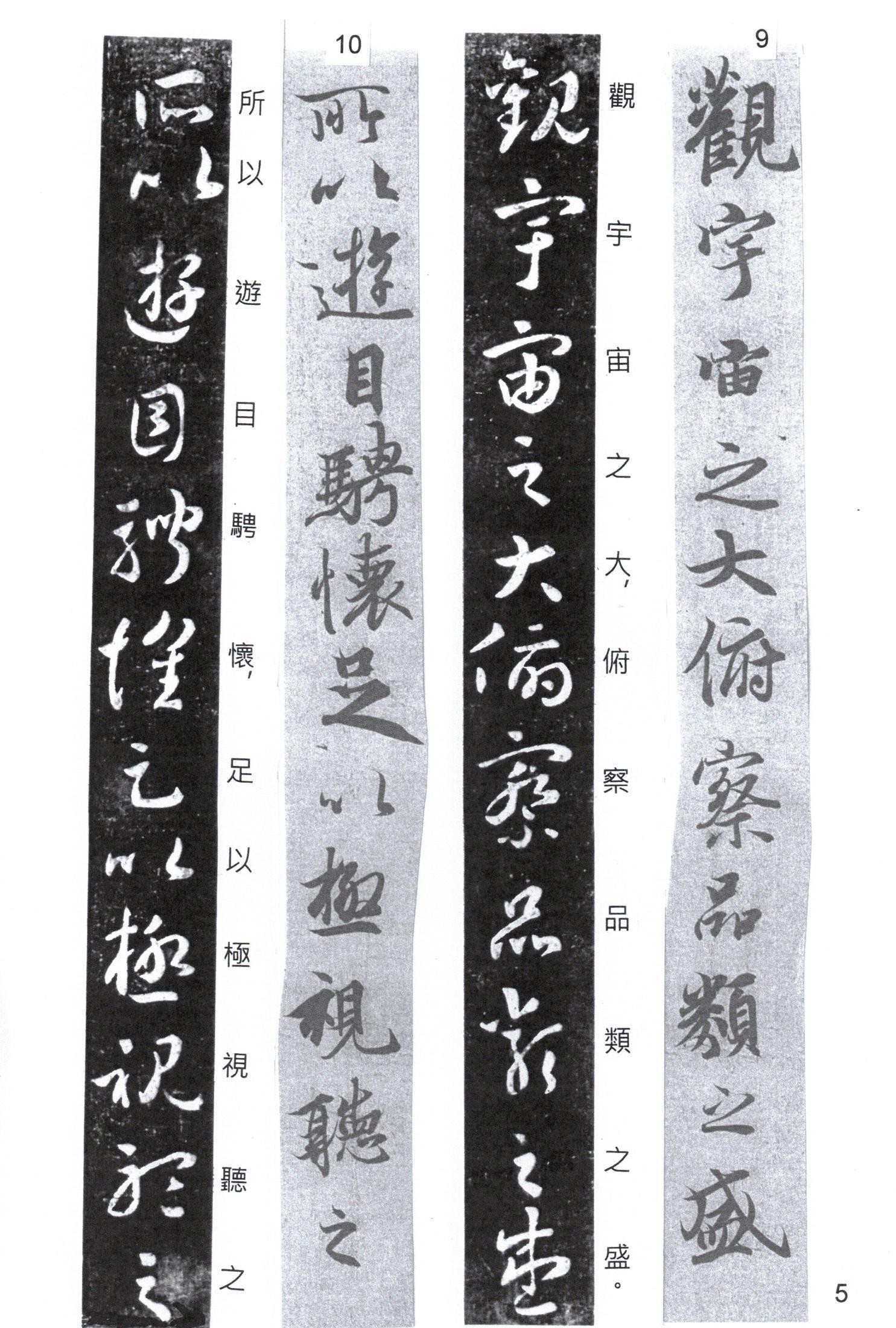
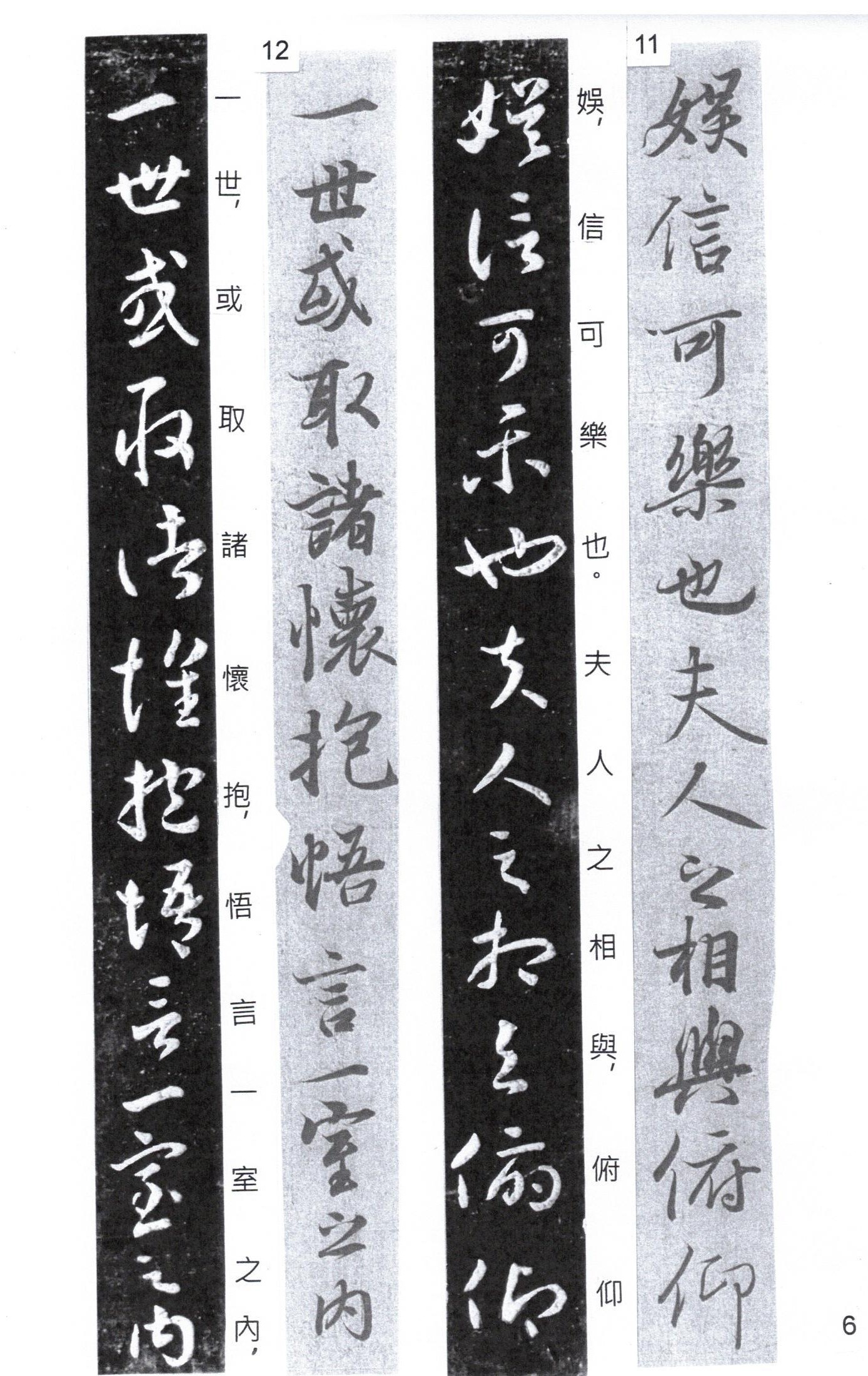
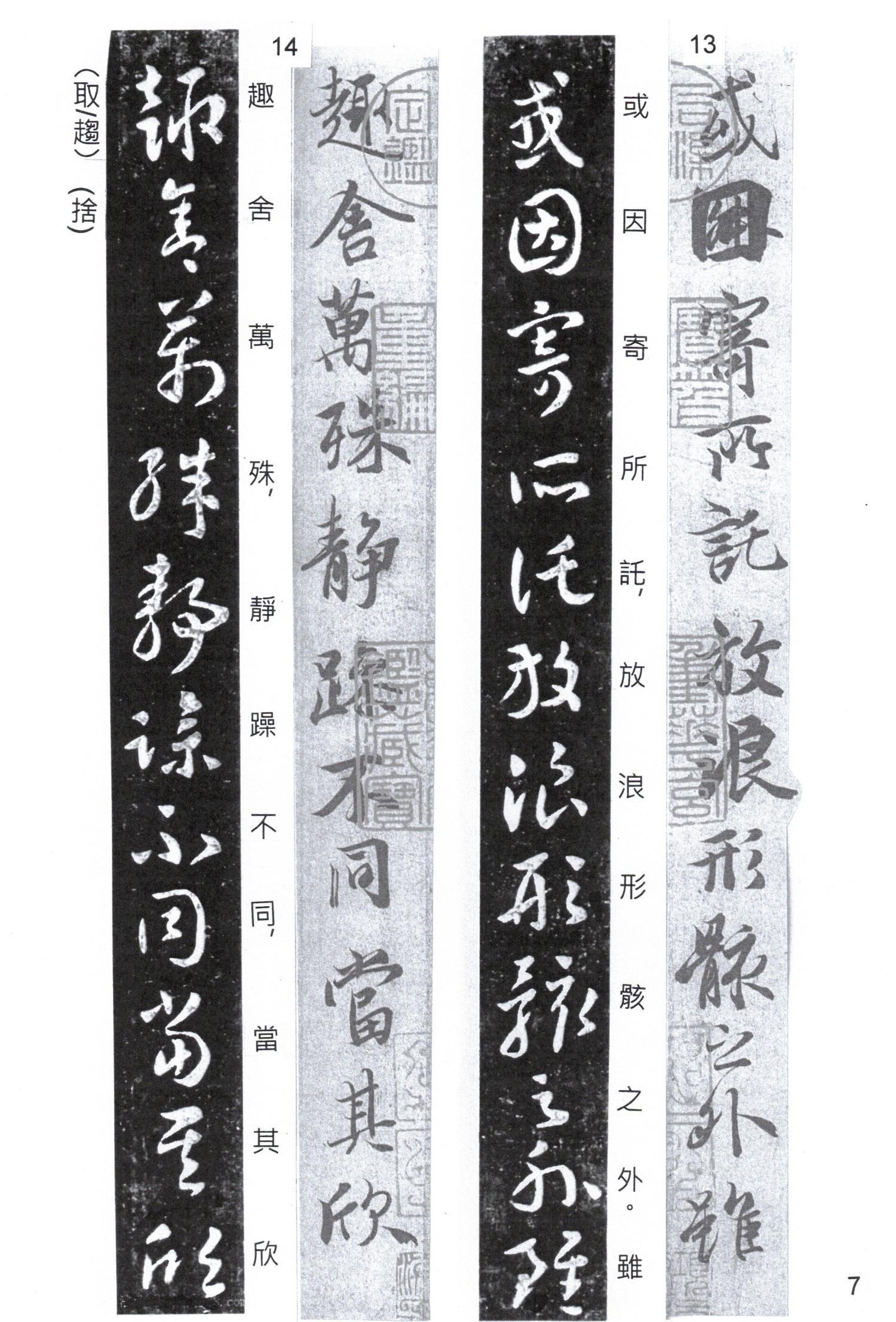
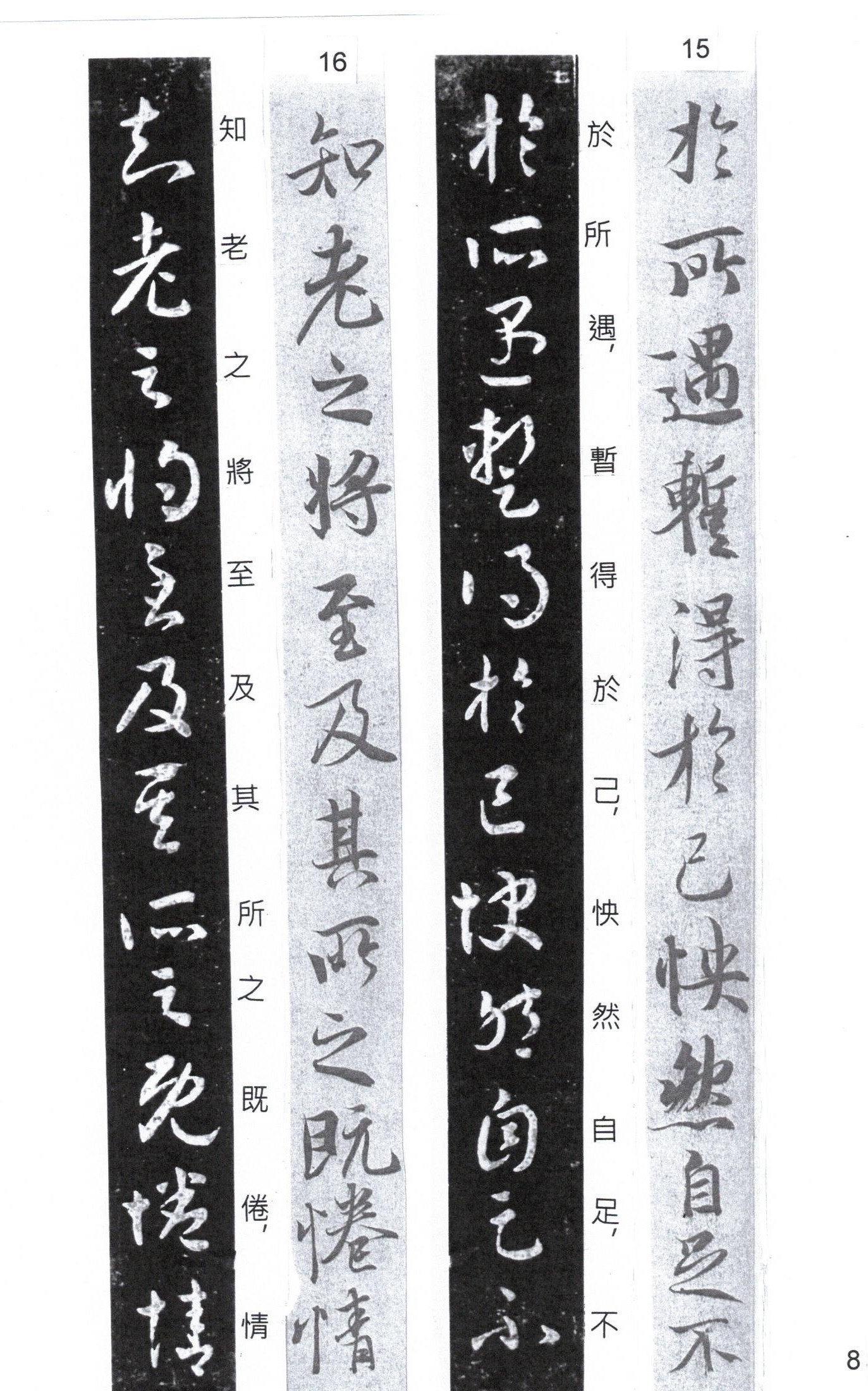
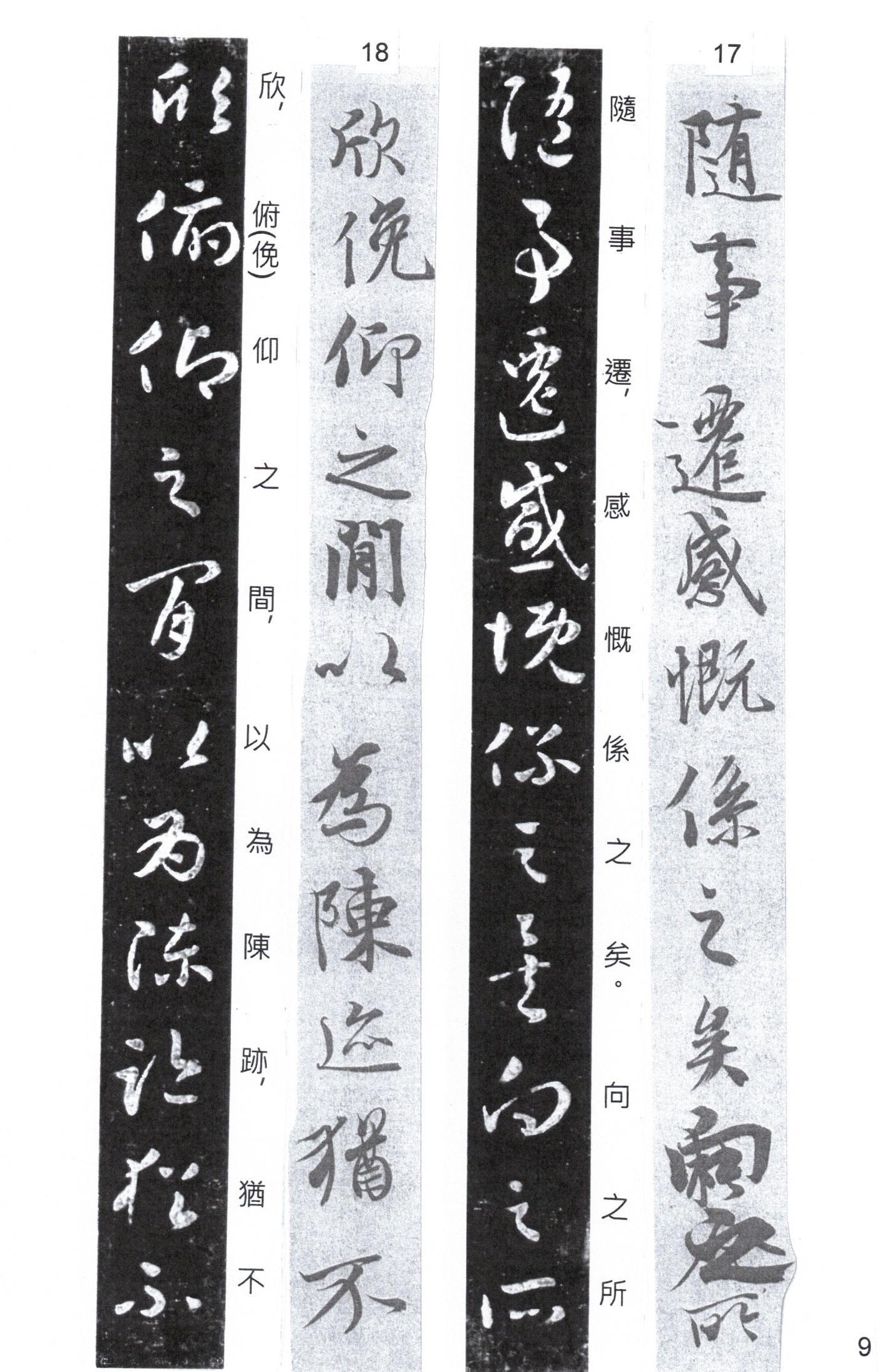
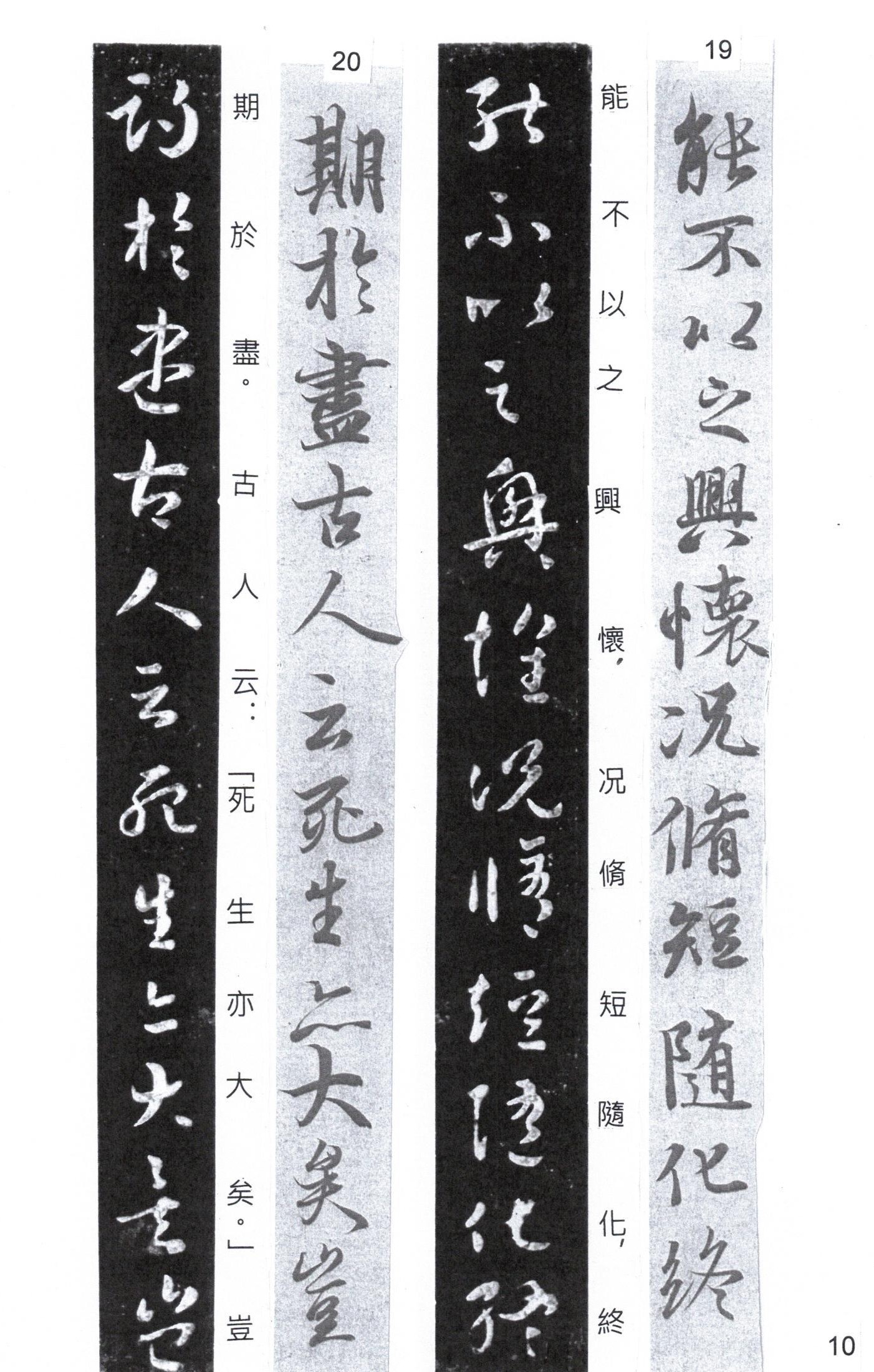
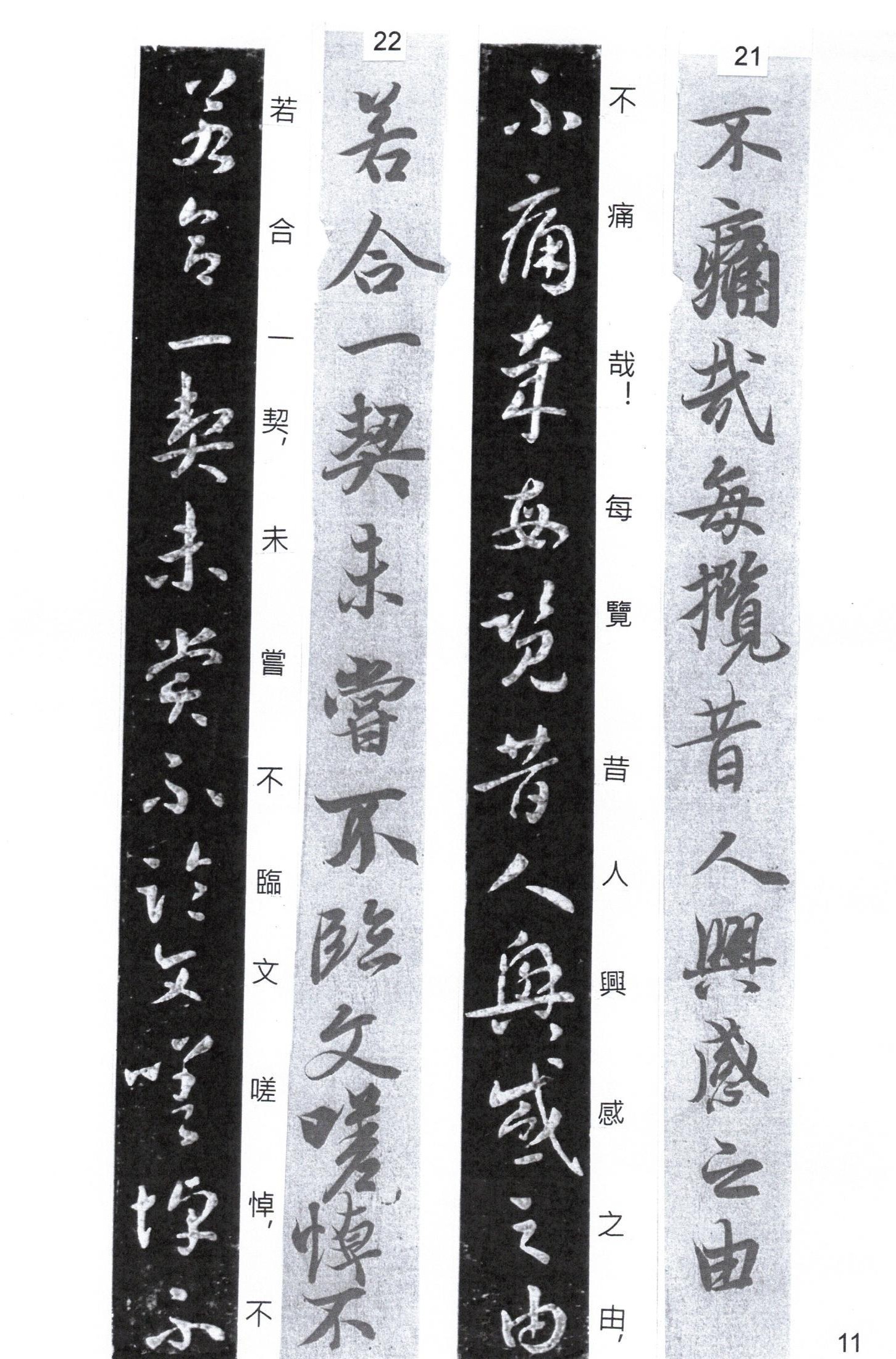
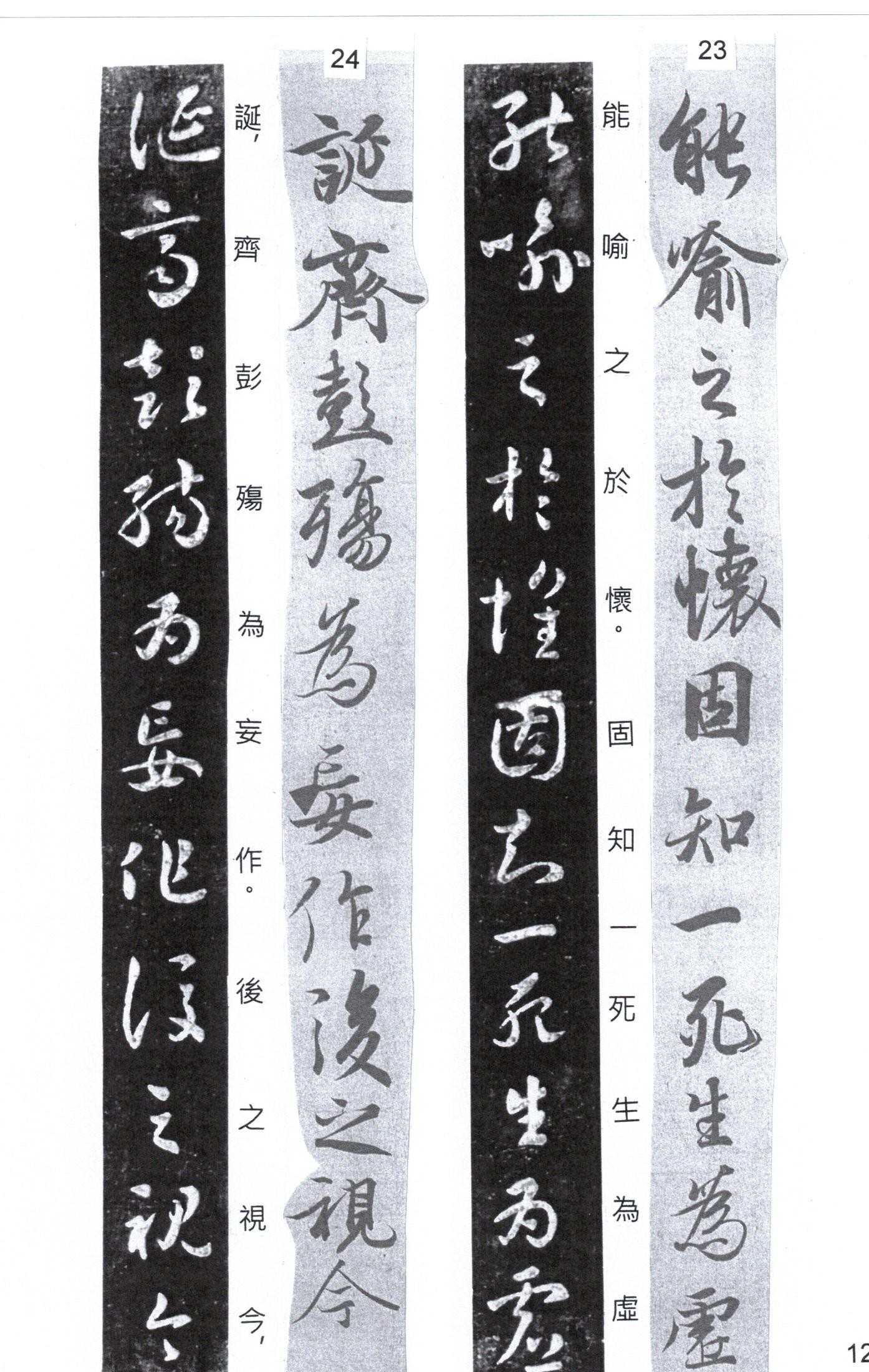
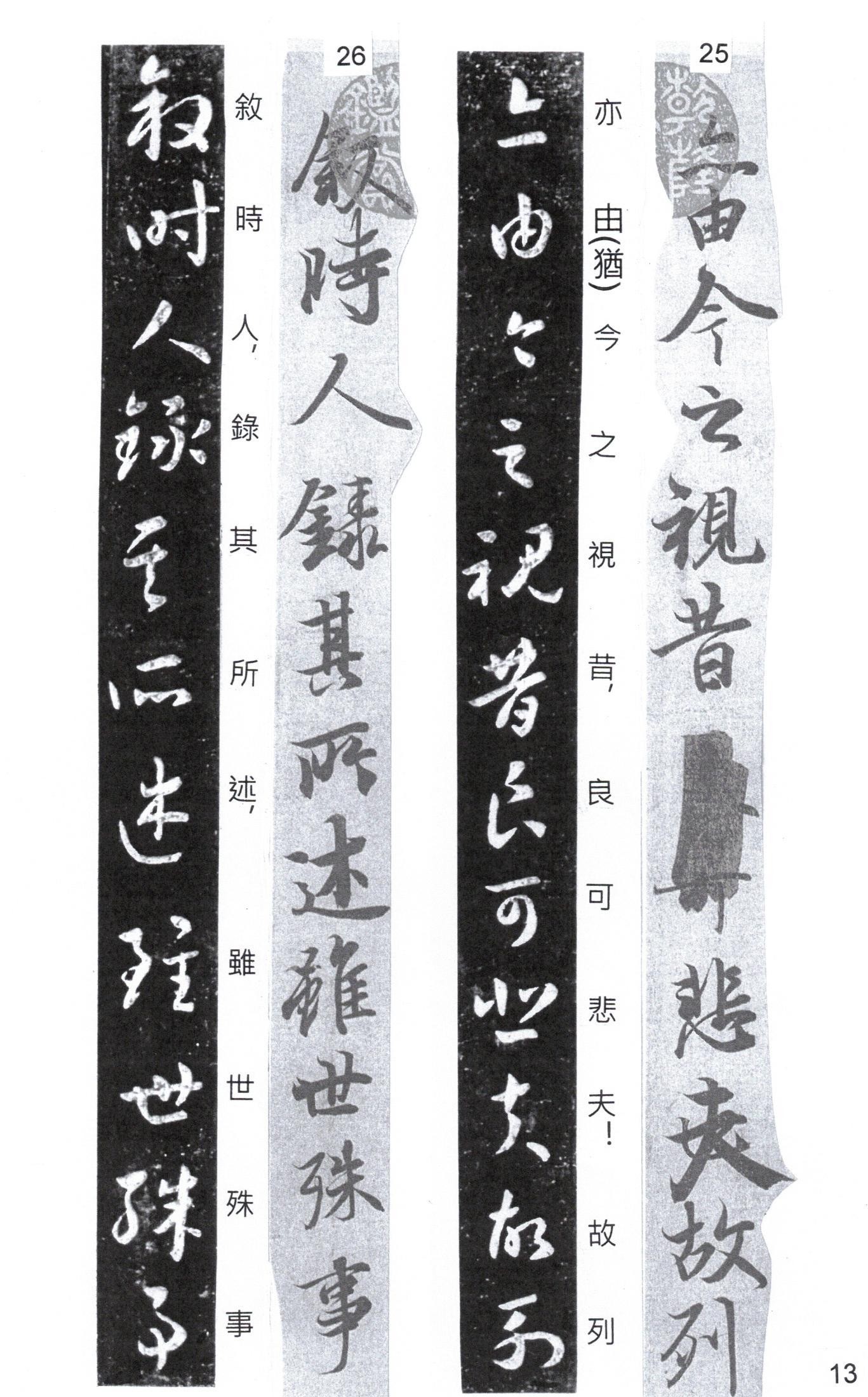
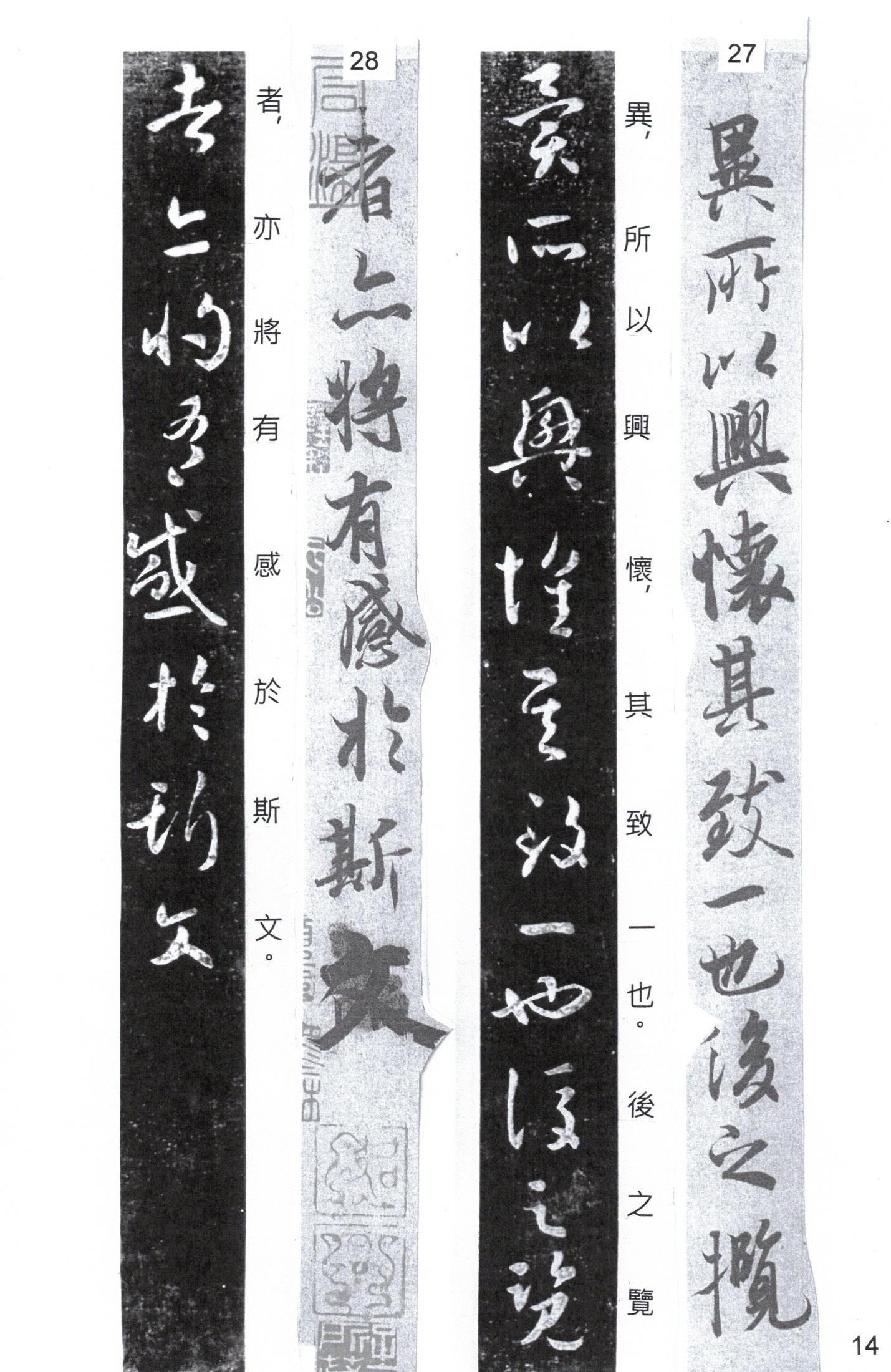
The ink-rubbing of Zhi Yong’s (智永) cursive version of Lanting Xu was from the Bao Ya Zhai (寶鴨齋) collection. It was cut and mounted in an album of 8 pages, each page measuring 23 cm in height and 9 cm in width. It was formerly owned by Rong Geng (容庚), a renowned scholar from Dongguan, Guangdong (廣東東莞). This masterpiece is currently kept in the Palace Museum (故宫博物院).
Zhi Yong (智永, c. 510–610 AD) was a prominent Chinese Buddhist monk and calligrapher during the Sui (隋) Dynasty. He was the 7th-generation descendant of Wang Xizhi. Zhi Yong adhered to the Wang family’s style and carried on its legacy, passing it down to Yu Shinan (虞世南) and others, thus ushering in a new era of regular script in the Tang Dynasty.
Bibliography
https://www.dpm.org.cn/collection/impres/234335.html
https://share.google/FK7beL6Z7OAfFVpc1
https://share.google/QbCylRpYs12LiT4G9
https://share.google/gDTPFmHURTxaxoZTC
 Patrick Siu Chinese Calligraphy & Landscape Painting 蕭燿漢談書畫